Dry Farming Basics for Water-Limited Homesteads: Crops, Soil Methods, and Timing
Homestead Gardening

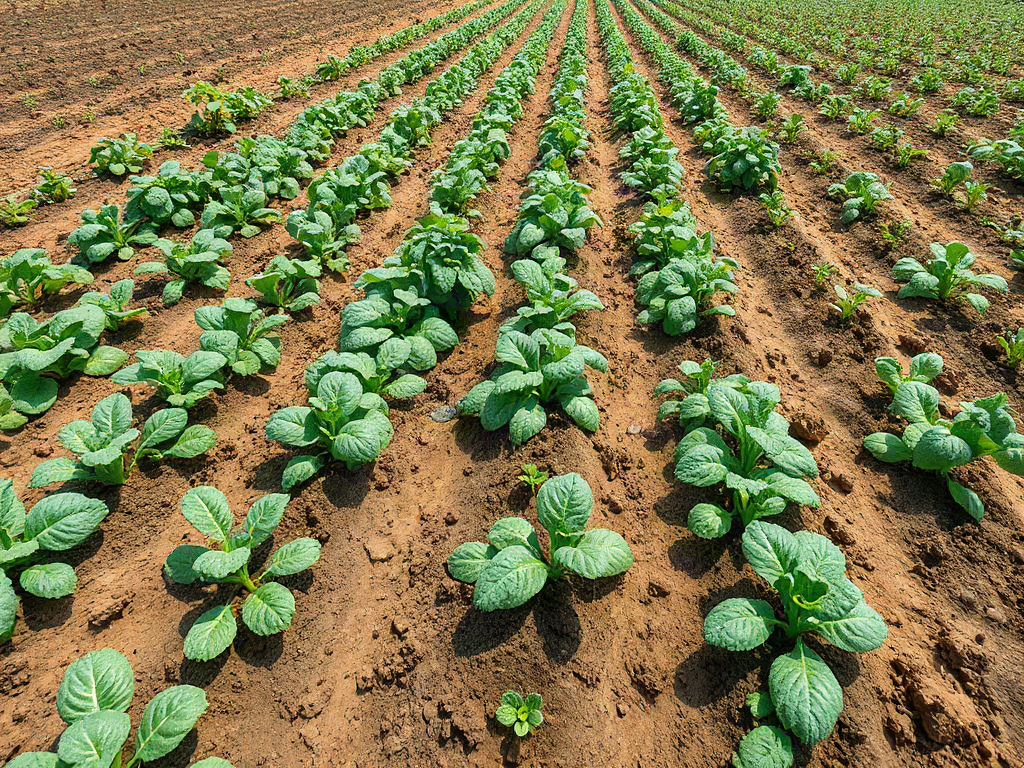
Dry Farming Basics for Water-Limited Homesteads: Crops, Soil Methods, and Timing

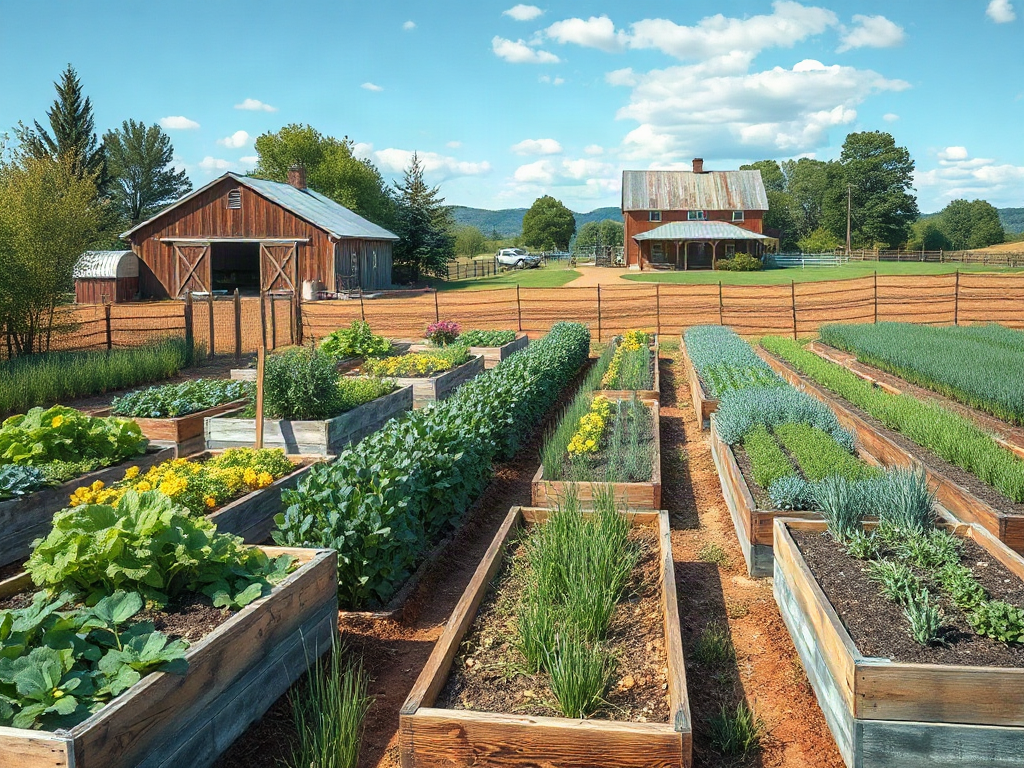
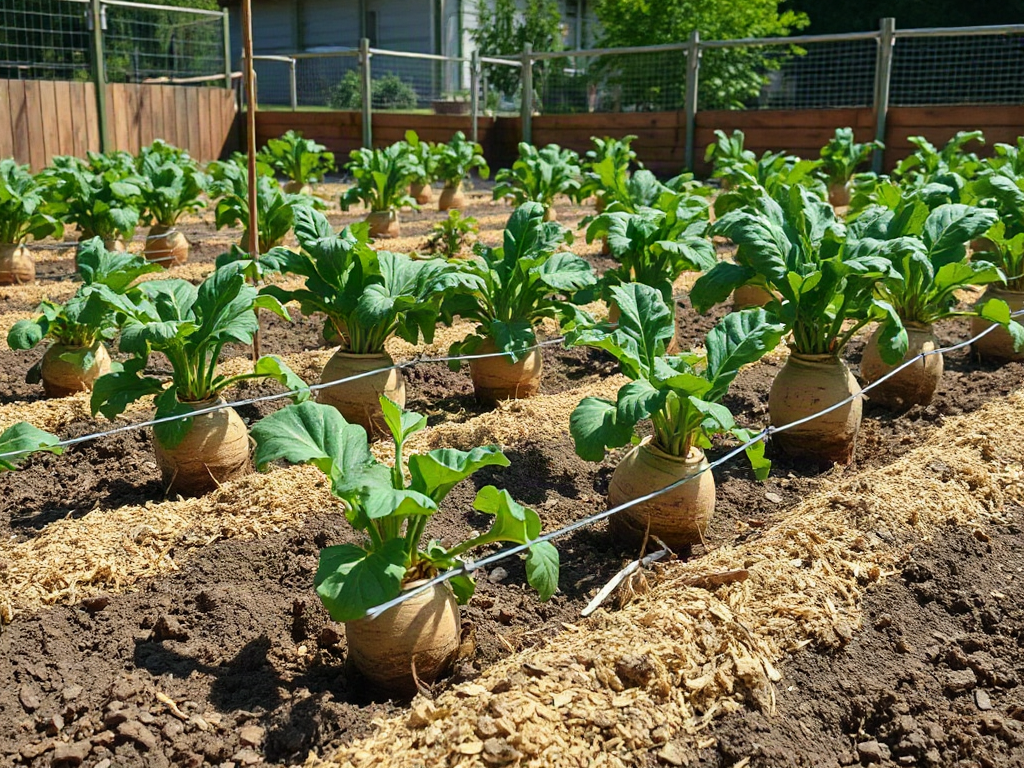
Dry farming basics for water-limited homesteads center on storing winter moisture in deep, well-structured soil and matching crops to the local dry season. Choose drought-tolerant grains, beans, squash, or selected perennial plants; prepare a weed-free seedbed; plant when the soil profile is charged; and protect that moisture with timely cultivation or carefully managed mulch.

Choosing Between Subsistence and Commercial Homesteading — Food, Income, and Workload Compared
Livestock and Animals

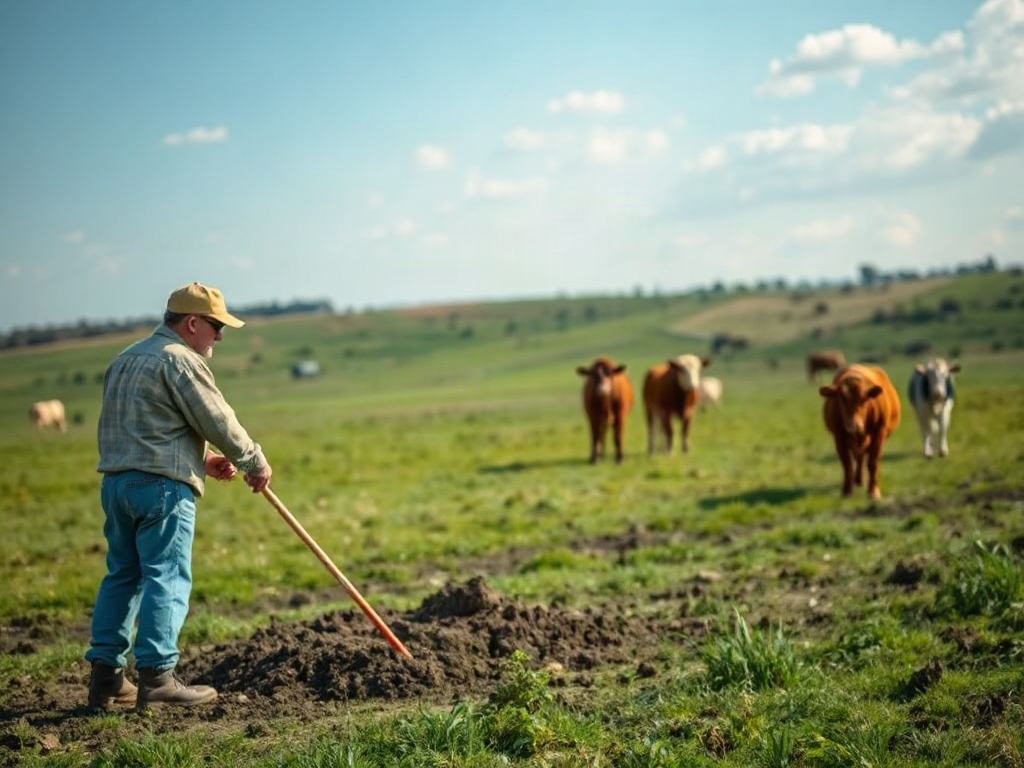
Choosing Between Subsistence and Commercial Homesteading — Food, Income, and Workload Compared

Choosing between subsistence and commercial homesteading comes down to whether the property should mainly supply household needs or produce dependable income through sales. Subsistence homesteading prioritizes food security, preservation, flexible production, and lower exposure to market prices, while commercial homesteading adds customer demand, business records, regulations, marketing, and consistent output.

Scroll to Top