Designing Your Year-Round Crop Calendar: Planning for Continuous Harvest
A successful year-round garden begins with a map: your crop calendar. Note frost dates, daylight changes and the microclimates in your yard. Stagger plantings of quick-maturing crops like radishes and salad greens every two to three weeks. Layer crops by height and harvest time—early leaf lettuce under taller tomatoes later in summer—to maximize space. Keep a sow-and-harvest log so you learn which varieties thrive and when to push or pull back. Aim for overlapping windows: as one bed winds down, another should be coming into production.
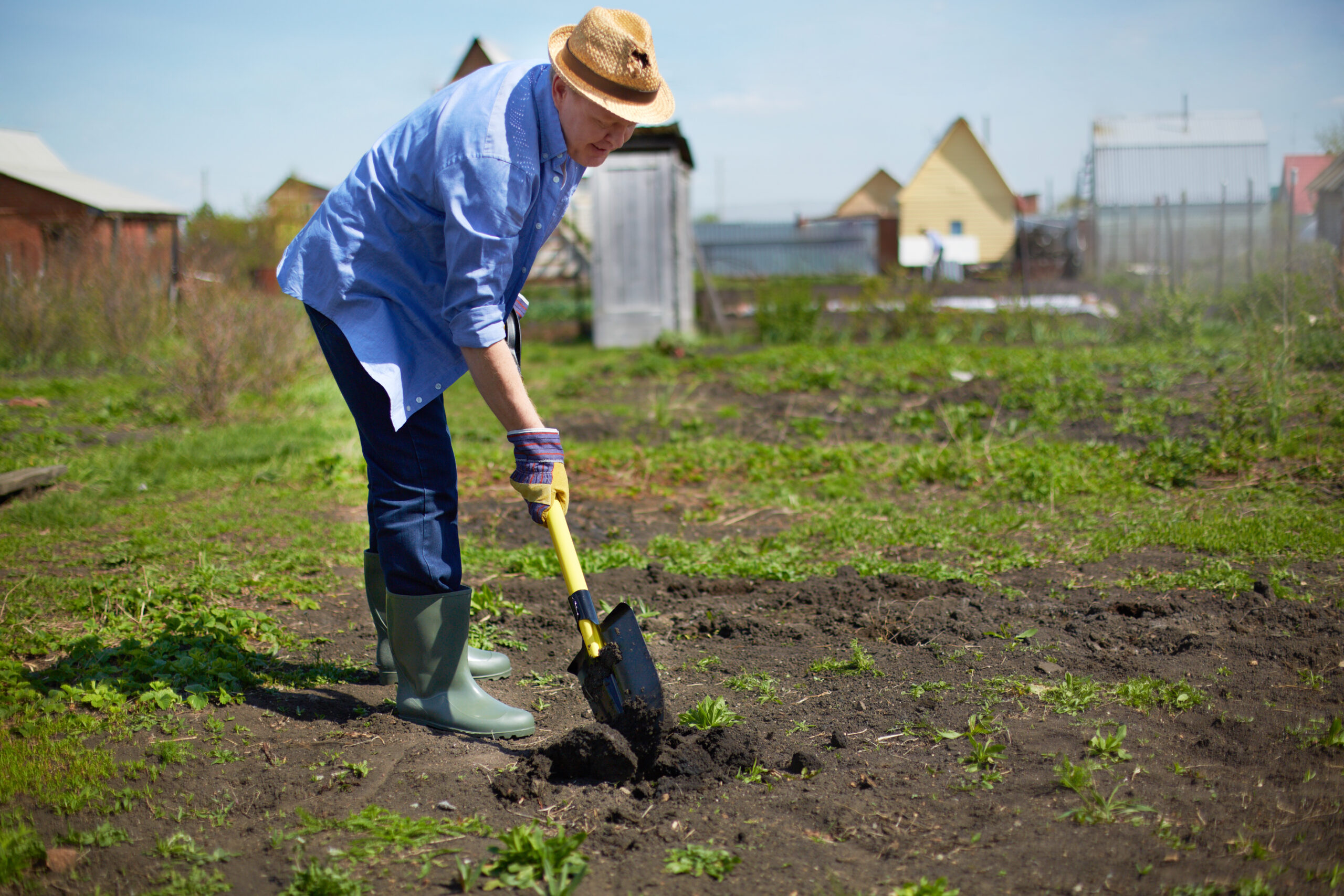
Spring Awakening: Soil Revival and Early-Season Planting Strategies
Spring is for soil revival. Test and amend soil with compost and rock minerals to rebuild fertility. Avoid tilling when soil is wet; instead, use broadforking or mulch to improve structure. Start cool-season crops early—peas, spinach, kale and onions tolerate chill and give you early rewards. Harden off transplants gradually and plant in blocks to improve pollination. Mulch between rows to warm the soil and conserve moisture, and apply an organic starter feed like seaweed or compost tea to jump-start root growth.
Summer Sustenance: Waterwise Care, Shade, and Pest Management
Summer demands attention to water and shade. Install drip irrigation and micromulch to deliver moisture at the roots while reducing evaporation. Provide shade cloth for sensitive crops during heat waves and use tall sunflowers or trellised beans to create natural shade for tender understory plants. Combat pests with integrated strategies: encourage beneficials with flowering borders, handpick pests when feasible, and use kaolin clay or botanical sprays as last-resort organic measures. Regular scouting keeps infestations small and manageable.
Fall Bounty: Succession Planting and Maximizing Late-Season Yield
As temperatures cool, double down on succession planting. Sow fast fall greens, root crops and brassicas for a second harvest. Use cold frames and floating row covers to extend warmth into late autumn, giving brassicas extra growing days to bulk up. When space frees up from summer crops, reseed with winter-hardy veggies or cover crops to keep beds productive and protected. Harvest with care—leaves and roots that mature slowly often concentrate sweetness and nutrients.
Winter Wisdom: Cold-Season Crops, Protection, and Storage Solutions
Winter is not a gardening lull but a season of resilience. Grow cold-tolerant crops like kale, collards, garlic and certain lettuces; many taste better after exposure to frost. Protect beds with hoop tunnels, cloches, or layered mulches. For storage, root cellars, cool basements and dry, ventilated bins work well for beets, carrots, and squash. Fermentation, freezing and drying are excellent ways to preserve summer surpluses and minimize waste.
Regenerative Systems: Compost, Crop Rotation, and Habitat for Beneficials
Tie it all together with regenerative practices. Build a compost system to recycle kitchen and garden waste into nutrient-rich humus. Rotate families of crops to reduce pest cycles and balance nutrient drawdown. Plant hedgerows, insectaries and native perennials to shelter pollinators and predators. These living systems not only boost yields but strengthen soil, sequester carbon and create a resilient garden that feeds you year after year.