Beneath every flourishing organic garden lies a teeming, invisible world: soil life. Microbes, fungi, earthworms, nematodes and countless other tiny organisms form a complex food web that breaks down organic matter, cycles nutrients and builds structure. Think of soil as a living sponge; its health determines everything from plant vigor to pest resistance. Treat it as an ally, not an inert medium.
Building fertility naturally means feeding that living system. Compost is the cornerstone—well-rotted kitchen scraps, yard trimmings and leaf mold introduce diverse nutrients and beneficial microbes. Layer compost into beds in spring or use it as a topdressing during the growing season. Cover crops such as clover, vetch or buckwheat do double duty: they fix nitrogen, protect soil from erosion and, when turned under, add organic matter. Don’t forget organic amendments—rock minerals like greensand, volcanic dust or finely ground basalt can correct micronutrient gaps, while well-aged manure and worm castings boost biological activity without burning plants.
You can’t improve what you don’t measure. Practical soil testing gives you a roadmap. Home kits provide pH and basic nutrient snapshots; professional labs deliver deeper insights into phosphorus, potassium, micronutrients and organic matter percentage. Learn to interpret results: pH guides lime or sulfur applications; low organic matter points to more compost and cover crops; compacted soils might call for deep-rooted biofumigant or tap-root crops. Make changes gradually and retest after a season. Targeted fixes save money and prevent overcorrection.
Structure, drainage and root space are often overlooked but critical. Ideal garden soil has crumbly structure—aggregates that allow air, water and roots to penetrate. If your soil is heavy clay, add generous organic matter, gypsum where appropriate, and consider raised beds to improve drainage and warmth. Sandy soils benefit from repeated additions of compost and mulches to increase water-holding capacity. Encourage deep roots with loose subsoil or by growing deep-rooted cover crops like daikon radish; roots create channels that improve aeration and water infiltration.
Mulch, moisture and microclimate management keep the system humming while conserving resources. A 2–4 inch layer of organic mulch—straw, shredded leaves or wood chips—suppresses weeds, moderates temperature swings and slowly feeds the soil as it breaks down. Mulches also reduce evaporation so you can water less frequently. Use drip irrigation or soaker hoses to deliver water directly to roots and avoid wetting foliage. Group plants by water needs and create microclimates with windbreaks or shade cloths to reduce stress during heatwaves.
Long-term soil health hinges on smart crop choices, rotation and companion planting. Rotate families—avoid planting tomatoes where potatoes grew the year before to reduce disease build-up. Include legumes to naturally replenish nitrogen. Companion pairing—basil with tomatoes, marigolds with beans—can deter pests and attract beneficial insects. Diversify crops to break pest cycles and maintain a balanced soil community.
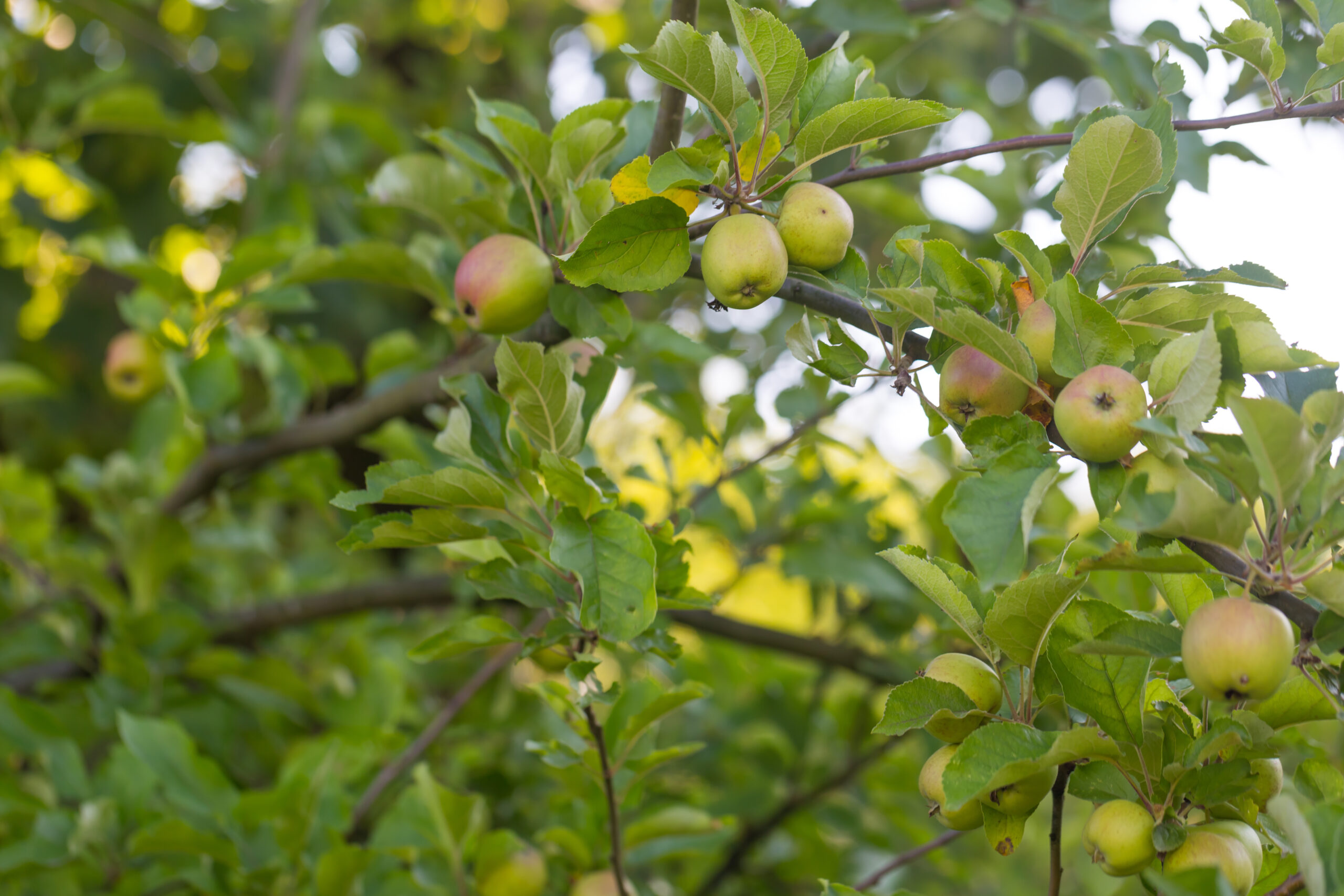
A thriving organic garden starts below ground. Prioritize living soil, feed it naturally, test wisely, and design for structure, moisture and diversity. Do this, and your plants will reward you with resilience, flavor and abundance.