Soil is the secret sauce of every pesticide-free garden. Start by building rich, living soil—feed it with compost, aged manure, and leaf mold to boost organic matter and microbial life. Test pH and amend with lime or sulfur only as needed. Add worm castings and slow-release amendments like rock phosphate or greensand for long-term fertility. Mulch with straw or shredded leaves to conserve moisture, suppress weeds, and gradually feed the soil as it breaks down. Healthy soil grows vigorous plants that can resist pests and diseases on their own.
Companion planting and biodiversity bring resilience. Mix flowers, herbs, and vegetables so beneficial relationships can form naturally: plant basil with tomatoes, nasturtiums near brassicas, and marigolds around squash. Polycultures confuse pests and prevent them from finding hosts easily; they also encourage pollinators. Embrace perennial edges, native wildflowers, and small shrubs to create layers of habitat—each patch increases the garden’s biological richness and reduces the need for chemical interventions.
Recruit helpful wildlife and insects as allies. Ladybugs, lacewings, parasitic wasps, hoverflies, and predatory beetles will devour aphids, caterpillars, and other pests if you provide nectar sources and refuge. Leave a shallow water dish and some brush piles for birds and frogs—avian predators can make a big difference. Avoid broad-spectrum “solutions” that kill everything; a thriving mini-ecosystem keeps pest populations in balance.

When pests do show up, reach for organic remedies first. Handpick large invaders, prune out damaged leaves, and use sticky or pheromone traps for monitoring. Homemade sprays—mild insecticidal soap, dilute neem oil, or a garlic-chili infusion—can suppress soft-bodied pests without wrecking beneficials when used carefully. Bt (Bacillus thuringiensis) targets caterpillars without harming pollinators. Apply treatments in the evening to protect bees, and always test sprays on a small area first.
Smart garden design prevents problems before they start. Space plants for good airflow, orient beds for sun and drainage, and rotate crops to interrupt pest and disease cycles. Use raised beds with clean soil to avoid soil-borne pathogens, and install drip irrigation to keep foliage dry and reduce fungal issues. Implement physical barriers—row covers, netting, and collars—to thwart pests without chemicals. Sanitation matters: remove fallen fruit and diseased debris promptly to reduce overwintering pests.
Seasonal care and crop rotation build long-term resilience. Rotate plant families each year—avoid planting tomatoes where potatoes sat, for instance—to reduce the buildup of specific pests and pathogens. Plant cover crops like clover, winter rye, or vetch to fix nitrogen, improve structure, and outcompete weeds in the off-season. Time your planting to avoid peak pest periods; early or late plantings can escape certain insect cycles. Regularly observe your beds—early detection is the easiest cure.
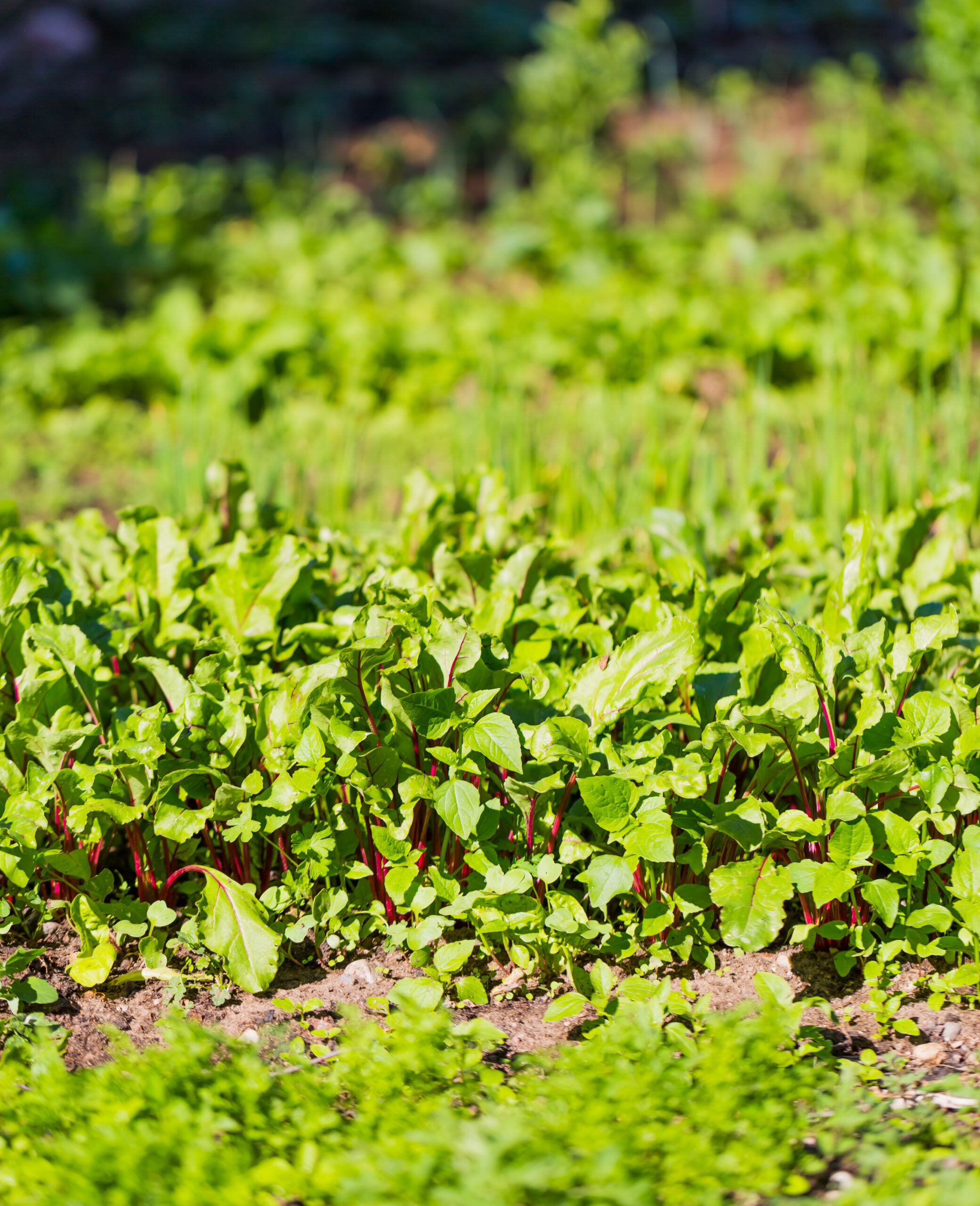
A pesticide-free garden is dynamic, not perfect. By nurturing soil, encouraging diversity, welcoming beneficials, using gentle remedies, designing thoughtfully, and practicing seasonal care and rotation, you create a landscape that thrives with minimal intervention. Small actions compound, and over time your beds will reward you with healthier plants, more flavor, and a vibrant web of life.