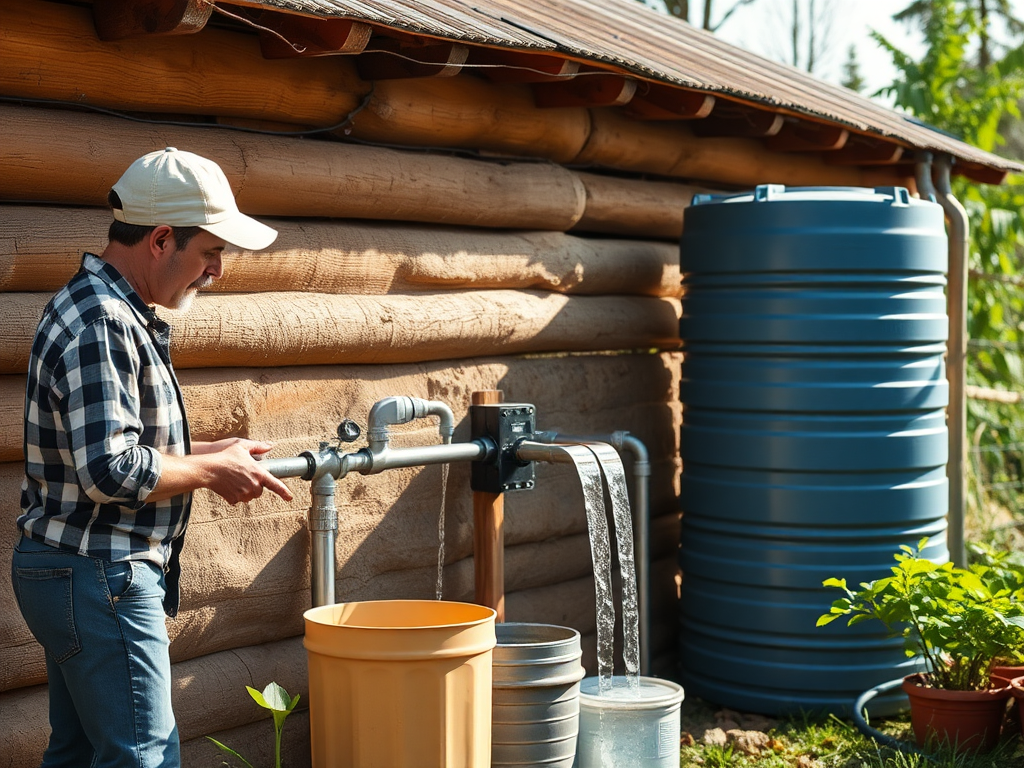
A sustainable water system is characterized by efficient water collection, effective treatment processes, and responsible distribution methods. Implementing rainwater harvesting systems can significantly reduce reliance on municipal water sources while addressing runoff issues. It's essential to regularly maintain these systems to prevent contamination and ensure longevity. Additionally, employing advanced filtration techniques and smart irrigation practices helps minimize waste and supports a healthier ecosystem.
Efficient Water Collection
Efficient water collection is foundational to a sustainable water system. This involves using methods that maximize the amount of water captured from various sources while minimizing waste. Rainwater harvesting is a prime example, where systems are installed to collect and store rainwater from rooftops or other surfaces. This not only reduces dependence on municipal sources but also alleviates runoff issues that can lead to flooding and pollution.

Implementing a robust collection system requires careful planning. Factors such as local climate, rooftop size, and storage capacity must be considered. For example, in areas with high rainfall, larger storage tanks can ensure an adequate supply during dry periods. Conversely, in regions with sporadic rainfall, smaller, portable systems may be more practical.
Common mistakes in water collection include underestimating the necessary storage capacity and failing to maintain the collection system. Regularly cleaning gutters, inspecting tanks, and ensuring proper filtration can prevent contamination and prolong the system’s life. An effective water collection system not only provides a reliable water source but also contributes to environmental sustainability.
Quality Treatment Processes
Quality treatment processes are critical to ensuring the safety and usability of collected water. Depending on the source, water may require various treatment methods to eliminate contaminants. For instance, rainwater often contains debris and pathogens that must be filtered out before use.
Common treatment methods include sedimentation, filtration, and disinfection. Sedimentation allows heavier particles to settle at the bottom of the storage tank, while filtration systems can remove smaller particles and impurities. Disinfection, often achieved through chlorination or UV treatment, ensures that harmful microorganisms are eliminated.
Many individuals overlook the importance of regular testing and maintenance of treatment systems. It is essential to monitor water quality consistently and adjust treatment methods as necessary. For example, if water testing reveals high levels of bacteria, it may be necessary to enhance disinfection practices or upgrade filtration systems. Prioritizing quality treatment processes not only protects public health but also enhances the overall effectiveness of the water system.
Responsible Distribution Methods
Effective distribution methods ensure that treated water reaches consumers without significant loss or contamination. This involves the use of efficient piping systems, pressure management, and smart technology to monitor water flow and detect leaks. A well-designed distribution network minimizes waste and enhances user experience.
Modern technology plays a crucial role in improving distribution efficiency. Smart meters and sensors can provide real-time data on water usage, helping to identify discrepancies and potential leaks promptly. This proactive approach can save significant amounts of water and reduce operational costs.

One common pitfall in distribution systems is neglecting regular maintenance and inspections. Aging pipes can lead to leaks and contamination, while improper pressure management can cause bursts and water loss. Establishing a routine maintenance schedule can help mitigate these risks and prolong the life of the distribution system.
Community Engagement and Education
Community engagement and education are vital components of a sustainable water system. Involving local residents in water conservation efforts fosters a sense of ownership and responsibility. This can be achieved through workshops, informational campaigns, and hands-on activities that teach sustainable practices.
Education about the importance of water conservation can lead to more mindful usage among community members. Simple actions, such as fixing leaks, using water-efficient appliances, and practicing responsible landscaping, can collectively make a significant impact.
Moreover, engaging with the community helps gather feedback and insights that can inform system improvements. For example, residents may provide valuable information about local water quality issues or suggest practical solutions based on their experiences. By prioritizing community involvement, water systems can become more resilient and effective.
For those interested in exploring more about sustainable water systems, consider researching local regulations, community programs, and technological advancements that promote efficient water management.