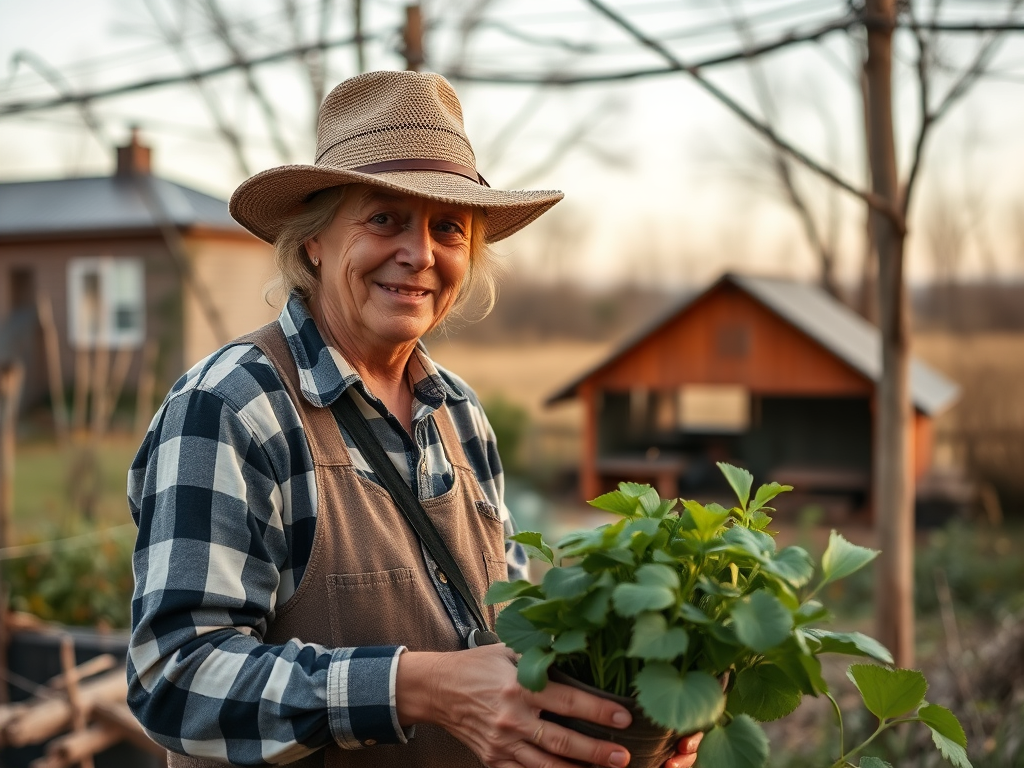
Incorporating permaculture principles into your homestead involves designing your space to mimic natural ecosystems, enhancing sustainability and productivity. Start by observing your land's unique characteristics, such as sunlight patterns and water flow. Implement companion planting, where plants benefit each other, and create diverse habitats to attract beneficial wildlife. Utilize rainwater harvesting and composting to reduce waste and improve soil health.
Understanding Permaculture Principles
Permaculture principles focus on creating sustainable agricultural systems that work with nature rather than against it. This approach is vital for homesteaders looking to enhance their land’s productivity while ensuring ecological balance. By understanding the core tenets of permaculture, such as observing natural patterns and fostering biodiversity, you can create a thriving environment.
At the heart of permaculture is the idea of working with the land’s natural systems. For instance, recognizing how water moves across your property can inform where to plant crops or build structures. Observing local wildlife can also provide insights into which plants might thrive in your environment. This foundational understanding allows for more effective planning and resource management.
Designing Your Homestead Ecosystem
Designing your homestead ecosystem begins with careful observation and assessment of your land. Take note of the sun’s path, wind patterns, and water sources. This information will guide your decisions on where to place gardens, animals, and living spaces. A well-designed homestead mimics natural ecosystems, creating a self-sustaining environment.
Start by zoning your property based on usage frequency. For example, place high-maintenance areas like vegetable gardens closer to your home for easier access. Incorporate elements like swales or rain gardens to manage water runoff and improve soil moisture retention. These designs not only enhance productivity but also promote resilience against extreme weather conditions.
Practical Strategies for Implementation
Implementing permaculture principles involves practical strategies that can be tailored to your specific homestead needs. One effective method is companion planting, where different crops are planted together to enhance growth and deter pests. For instance, planting tomatoes with basil can improve flavor and repel harmful insects.
Another approach is creating diverse habitats that attract beneficial insects and wildlife. This can be achieved by planting native flora and providing shelter for pollinators. Additionally, consider using rainwater harvesting systems to collect and store water for irrigation, significantly reducing your reliance on municipal sources.
Composting is another vital strategy, allowing you to recycle organic waste back into your garden. This not only enriches the soil but also reduces waste going to landfills. Start a compost pile with kitchen scraps, yard waste, and other organic materials to create nutrient-rich compost for your plants.

Common Mistakes to Avoid
While incorporating permaculture principles can greatly benefit your homestead, there are common mistakes to watch out for. One frequent error is failing to observe the land before making changes. Without understanding the existing ecosystem, you may inadvertently disrupt natural processes or create unfavorable conditions for plants and animals.
Another mistake is overcomplicating designs. It’s essential to keep your permaculture system as simple as possible to ensure ease of maintenance and adaptability. Start small and expand as you gain experience and confidence in your permaculture practices.
Lastly, neglecting to consider the long-term sustainability of your methods can lead to burnout or resource depletion. Ensure that your practices are not only productive in the short term but also sustainable over the long haul. This mindset will help you maintain a resilient homestead for years to come.
For those looking to delve deeper into permaculture principles and their application in homesteading, consider exploring online courses or local workshops. Many agricultural extensions and permaculture associations offer resources tailored to new homesteaders.