- Choosing the Perfect Space for Your Homestead
- Creating Efficient Backyard Layouts
- Selecting Sustainable Water and Energy Systems
- Diversifying Your Garden for Success
- Raising Backyard Animals Responsibly
- Mastering Composting & Soil Health
- Food Preservation Techniques
- Using Technology for Homestead Management
- Building a Local Homesteading Network
- Continuous Education & Adaptation in 2025

1. Choosing the Perfect Space for Your Homestead
Assessing Land Quality and Sunlight
Choosing the right location is the foundation of a successful backyard homesteading venture in 2025. Focus on assessing your soil quality through simple soil testsâmany are available online or at local garden centers. Rich, well-draining soil is key for healthy plant growth, while avoiding areas prone to flooding helps prevent crop loss.
Sunlight exposure is equally critical. Most fruits, vegetables, and garden herbs require at least 6-8 hours of direct sunlight per day. Map out your yard to identify the sunniest spots, and consider how structures or trees might shade areas during different seasons. A strategic spot can significantly boost your garden’s productivity.
Finally, consider accessibility and wind patterns. Easy access to water sources, tools, and compost areas reduces effort and increases efficiency. Understanding your landscape’s microclimates allows you to optimize usage and plan for future expansion.
2. Creating Efficient Backyard Layouts
Designing for Productivity and Accessibility
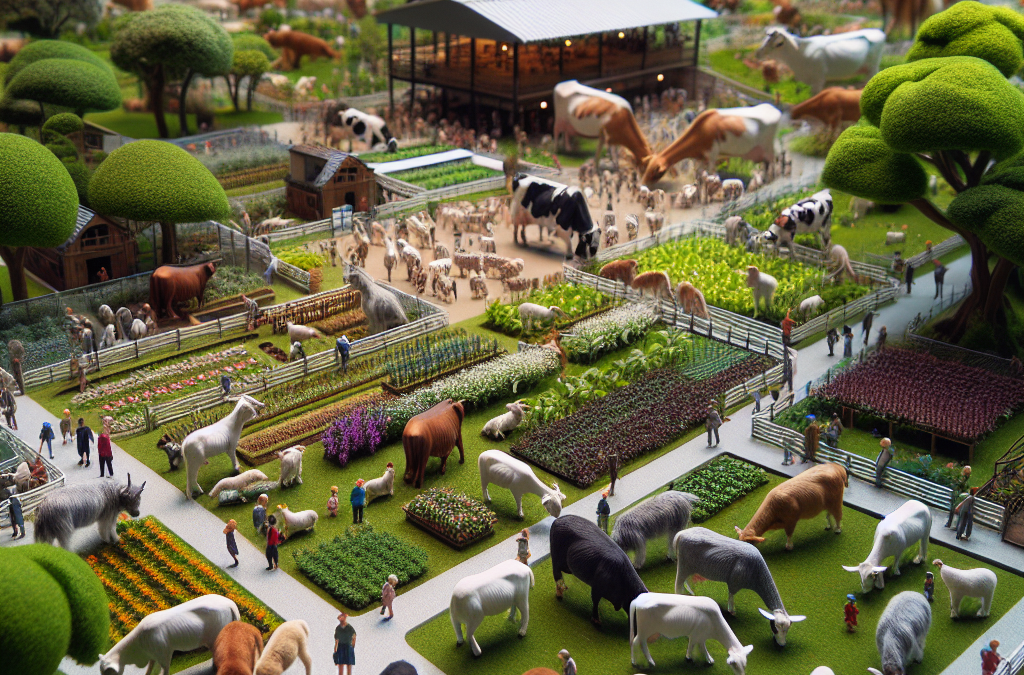
Effective layout planning saves time and energy, making your backyard homesteading journey more rewarding. Use principles such as zone planningâplacing frequently accessed areas closer to your homeâand permaculture design to maximize space. Raised beds, pathways, and designated zones for animals, vegetables, and compost help keep things organized.
Vertical gardening and companion planting can optimize small spaces, ensuring you get the most out of limited yard area. By referencing this backyard homesteading guide, youâll learn to design a layout that balances productivity with ease of maintenance, especially as your 2025 needs evolve.
Keep in mind that good drainage and sun exposure influence your layout choices. Drawing a detailed map before starting construction prevents costly mistakes and streamlines your setup process.
3. Selecting Sustainable Water and Energy Systems
Rainwater Harvesting and Solar Power
In 2025, sustainability remains at the forefront of backyard homesteading. Implementing rainwater harvesting systems can dramatically reduce reliance on municipal water and lower costs. Install gutters and storage tanks designed for maximum efficiency, enabling you to water your garden and animals responsibly.
Renewable energy sources, such as solar panels, have become more affordable and efficient. Integrating solar power for garden lighting, solar water pumps, or small appliances can make your homestead more eco-friendly and cost-effective over time.
Investing in such sustainable systems aligns with the backyard homesteading guide principlesâbuilding resilience and reducing your environmental footprint while preparing for a self-sufficient future in 2025.
4. Diversifying Your Garden for Success
Growing a Variety of Crops and Plants
Global trends for 2025 show increased interest in biodiversity. In your backyard homesteading guide, diversifying your garden is crucial. Cultivating a mix of vegetables, fruits, herbs, and flowers reduces pests and improves soil health. Think about including heirloom varieties, native plants, and climate-resilient crops to adapt to changing weather patterns.
Succession planting and crop rotation can extend your harvest season and improve soil fertility. For example, rotating legumes to fix nitrogen in the soil can boost yields without chemical fertilizers. Incorporating perennials ensures long-term productivity and reduces planting effort each year.
Experimenting with microgreens or specialty crops also adds value and variety. A diverse garden in 2025 creates a more resilient, productive homestead aligned with the backyard homesteading guide’s goals for sustainability and abundance.
5. Raising Backyard Animals Responsibly
Selecting and Caring for Livestock
In 2025, backyard animal husbandry remains a popular aspect of homesteading. Focus on choosing animals suited for your space, climate, and experience levelâchickens, rabbits, bees, and dwarf goats are common options. They provide fresh eggs, manure for compost, and help with pest control.
Responsible care involves creating comfortable living environments, managing health, and adhering to local regulations. Proper fencing, shelter, and predator protection are non-negotiable. As part of this backyard homesteading guide, staying informed about humane and sustainable practices ensures your animals thrive, and your homestead remains compliant and ethical.
Regular health checks, balanced diets, and keeping detailed records can improve productivity and animal welfare. For beginners, starting small and expanding gradually helps build confidence and knowledge over time.
6. Mastering Composting & Soil Health
Building Fertile Soil Naturally
Healthy soil is the backbone of a successful backyard homesteading guide. Composting organic waste transforms kitchen scraps and yard waste into rich, nutrient-dense soil amendments. Setting up a compost bin or tumbling compost helps reduce waste and improve plant health.
In 2025, regenerative practices like cover cropping and no-till gardening are gaining popularity. These methods protect soil from erosion, boost organic matter, and promote beneficial microbes. Incorporating vermicomposting with worms can accelerate decomposition and produce high-quality castings.
Testing soil regularly allows you to make informed amendmentsâadding lime, organic fertilizers, or biochar as needed. Prioritizing soil health leads to increased yields and more resilient plants, aligning perfectly with the backyard homesteading guideâs goal of regenerative self-sufficiency.

7. Food Preservation Techniques
Keeping Your Harvest for the Future
Preserving your excess produce is a vital aspect of backyard homesteading. Methods like water bath canning, pressure canning, dehydrating, and freezing ensure your gardenâs bounty lasts long into the year. In 2025, modern techniques emphasize safety and convenience, allowing even beginners to preserve food confidently.
Invest in quality jars, dehydrators, and vacuum sealers for best results. Learning fermentation and pickling also enhances flavors and extends shelf life naturally. Proper preservation techniques reduce waste and provide fresh food possibilities during off-seasons.
By integrating food preservation into your homesteading routine, you create a resilient food system. This aligns with the backyard homesteading guide’s emphasis on self-sufficiency and reducing dependence on store-bought items.
8. Utilizing Smart Technology
Automating and Monitoring Your Homestead
In 2025, smart technologies are transforming backyard homesteading. Sensors that monitor soil moisture, weather conditions, and temperature help optimize watering and crop health. Smart irrigation systems save water and prevent over- or under-watering, essential in drought-prone areas.
Apps and data platforms enable real-time management, reminders for planting or harvesting, and tracking renewable energy usage. Drones and automation tools can assist with large-scale tasks, making smaller yards more manageable and efficient.
Adopting these innovations from this backyard homesteading guide can improve productivity, conserve resources, and make homesteading more accessible to all skill levels in 2025.
9. Building a Local Homesteading Network
Sharing Resources and Knowledge
Community building is a key pillar of success in backyard homesteading. Connecting with neighbors, local groups, and online forums fosters shared knowledge, seed exchanges, and co-op purchasing. In 2025, local sustainability networks are thriving and vital for resilience.
Participating in workshops or community-supported agriculture (CSA) programs provides support and inspiration. Collaboration can also help overcome challenges like pest outbreaks or plant diseasesâsharing solutions and resources reduces costs and enhances success.
This backyard homesteading guide encourages creating local bonds that promote sustainability, reduce waste, and foster a sense of shared purpose. Building community is a cornerstone for achieving your 2025 homesteading goals.
10. Continuous Education & Adaptation in 2025
Lifelong Learning for Homesteading Success
The landscape of backyard homesteading is always evolving. Staying informed about new techniques, climate trends, and policy changes ensures your venture remains successful. Use online courses, local workshops, and books to continually expand your skills.
In 2025, climate resilience and sustainable practices are more prominent. Attending webinars or joining online communities helps you adapt quickly to environmental challenges or new opportunities. Being flexible and open to experimentation makes your homestead more resilient.
Investing in your education as a homesteader guarantees ongoing growth, satisfaction, and success. Remember, in this backyard homesteading guide, continuous learning is the key to thriving in 2025 and beyond.
Frequently Asked Questions
1. What is the best way to start with backyard homesteading?
Start small by assessing your space, soil, and climate. Focus on a few key areas such as vegetable gardening and chicken keeping. Use this backyard homesteading guide to plan your initial steps, gradually expanding as you gain experience.
2. How can I make my backyard more sustainable?
Implement rainwater harvesting, solar power, composting, and organic gardening. These practices reduce your environmental impact and improve the resilience of your homestead, especially in 2025 where sustainability is a priority.
3. Is backyard homesteading suitable for small spaces?
Absolutely! Many techniques like vertical gardening, container planting, and micro-livestock management are perfect for small yards. This backyard homesteading guide provides tips tailored for limited space scenarios.
4. How do I ensure my backyard animals are cared for responsibly?
Providing proper shelter, nutrition, and health care while adhering to local regulations is essential. Starting with a few manageable animals can help you learn and expand responsibly over time.
5. Can I use smart technology in my backyard homestead?
Yes, tools like soil moisture sensors, automated watering systems, and management apps can significantly improve your efficiency and reduce waste in your small farm or garden setup.
Conclusion
Embarking on a backyard homesteading adventure in 2025 can be incredibly rewarding. By following this comprehensive backyard homesteading guide, youâll be better equipped to create a resilient, productive, and sustainable homestead. Remember, success comes from thoughtful planning, continuous learning, and community support. Whether you’re just starting out or looking to expand, these tips will help ensure your 2025 venture thrives. Happy homesteading!
Related Content
- How to Start a Small Orchard in Your Backyard
- The Organic Garden Blueprint: Natural Techniques for Healthy, Pest-Resistant Plants
- Homestead Seed Starting Guide 2025: 10 Expert Tips for Bountiful Gardens
- 10 Effective simple off grid living Tips for 2025 You Can’t Miss
- Mastering Homestead Root Vegetable Storage: 7 Proven Tips for 2025