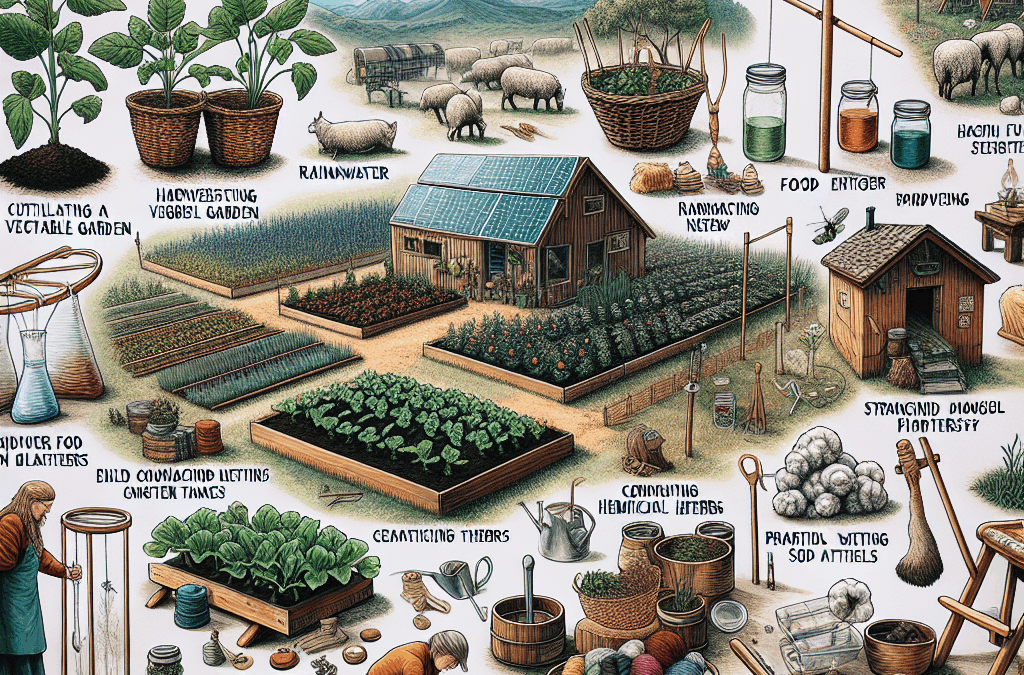
The real challenge isn't understanding exploring the possibilities: can you homestead on one acre? — it's what happens when small oversights, weak priorities, or real-world constraints start compounding.
Homesteading on a small plot can be both rewarding and challenging. Many people assume that a single acre is too small for a productive homestead, but with careful planning, it can be more than sufficient. Common pitfalls include underestimating the space needed for various crops and animals or failing to consider the necessary infrastructure for a sustainable homestead. Understanding your goals and the specific conditions of your land is crucial for avoiding these mistakes and making informed decisions.
Assessing Your Land and Resources
This matters more than it seems because weak decisions here usually create bigger downstream problems. Before diving into homesteading, it’s essential to assess your land and available resources. This means evaluating soil quality, sunlight exposure, and water sources. Understanding these factors will help you determine what crops will thrive and how to manage your space effectively.

This matters more than it seems because weak decisions here usually create bigger downstream problems.
Many aspiring homesteaders fail to recognize the importance of soil health. Testing your soil can reveal nutrient deficiencies or pH imbalances that can affect crop yield. Additionally, consider your water access; if you rely solely on rainfall, you may need to implement rainwater harvesting systems or irrigation to support your plants and animals. Prioritize improving your soil and ensuring water access to set a solid foundation for your homestead.
Choosing the Right Crops and Animals
This matters more than it seems because weak decisions here usually create bigger downstream problems. When deciding what to grow or raise, consider both your dietary needs and the climate of your region. Certain crops and animals will thrive better in specific environments, so research what works best for your location. Common choices for one-acre homesteads include vegetables, fruits, chickens, and rabbits.
Many people mistakenly believe they need to grow a wide variety of crops to be successful. However, focusing on a few high-yield, space-efficient options can be more beneficial. Consider companion planting, which allows you to grow compatible plants together, maximizing your space and improving overall health. Additionally, raising small livestock like chickens can provide eggs and meat without requiring extensive space.
Maximizing Space and Efficiency
This matters more than it seems because weak decisions here usually create bigger downstream problems. With only one acre to work with, maximizing space is crucial. Implementing vertical gardening techniques, such as trellising and using containers, can help you grow more produce without taking up additional ground space. Furthermore, consider crop rotation and intercropping to maintain soil health and productivity.
Many homesteaders underestimate the value of planning their layout carefully. Create designated zones for different activities, such as vegetable gardens, animal pens, and composting areas. This organization will not only help you use your space more efficiently but also streamline your daily tasks. Prioritize layout planning to enhance your homesteading experience.

Sustainable Practices for Long-Term Success
This matters more than it seems because weak decisions here usually create bigger downstream problems. Embracing sustainable practices is vital for a successful homestead, especially on a smaller scale. This includes composting, using organic pest control methods, and practicing crop rotation. These techniques not only enhance productivity but also contribute to a healthier ecosystem.
Many homesteaders overlook the importance of sustainability, leading to soil depletion and increased pest problems. By implementing practices like composting kitchen scraps and garden waste, you can create nutrient-rich soil amendments that improve crop yields. Additionally, utilizing natural pest control methods can minimize chemical use and promote biodiversity in your garden. Focus on sustainability to ensure long-term success and resilience in your homesteading journey.
Frequently Asked Questions
Is one acre enough for a homestead?
Yes, one acre can be sufficient for a productive homestead with careful planning and resource management.
What crops are best for small homesteads?
High-yield and space-efficient crops like tomatoes, peppers, and leafy greens are ideal for small homesteads.
Can I raise animals on one acre?
Yes, smaller livestock like chickens and rabbits can be raised on one acre without overwhelming your space.
What should I prioritize when starting a homestead?
Focus on assessing your land, choosing suitable crops and animals, and implementing sustainable practices for success.
How can I improve my soil for gardening?
Testing your soil, adding organic matter, and practicing crop rotation can significantly improve soil health.
Conclusion
This matters more than it seems because weak decisions here usually create bigger downstream problems. Homesteading on one acre is not only possible but can also be incredibly rewarding when approached with the right strategies. Prioritize assessing your land, selecting suitable crops and animals, and adopting sustainable practices to ensure your success. Embrace the challenges and rewards of homesteading, and take actionable steps toward creating a self-sufficient lifestyle that works for you.