by | | Homesteading Lifestyle
1. Sustainable Food Source Quality Milk and Cheese You wouldn’t believe it until you try it, but goat’s milk is creamy and delicious. I started raising goats a few years back, and the milk I get is some of the best I’ve ever tasted. Plus, it’s...
by | | Homesteading Lifestyle
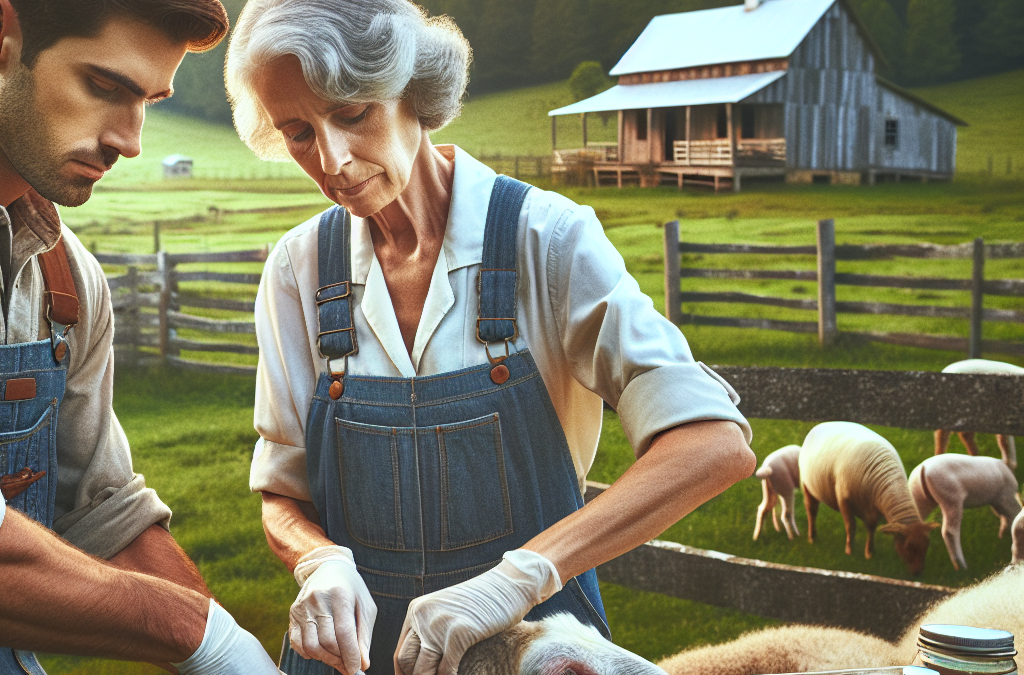
Basic Animal Health Assessment Understanding Animal Behavior One of the first things I learned as a homesteader is that animals communicate in their own ways. By tuning into their behavior, you can get a pretty good idea of their health status. For example, if a...

by | | Homesteading Lifestyle
Evaluate Your Security Needs Identify Vulnerable Areas When I first started thinking about securing my homestead, the first step was to really take a good look around. I walked the property, noting spots that seemed sketchy or easy to break into. It helped me...

by | | Homesteading Lifestyle
Creating Awareness about Urban Beekeeping Educational Campaigns One of the first steps I took in launching our urban beekeeping initiative was focusing on education. Trust me; many people have no clue about the incredible world of bees! So, creating various...
by | | Homesteading Lifestyle
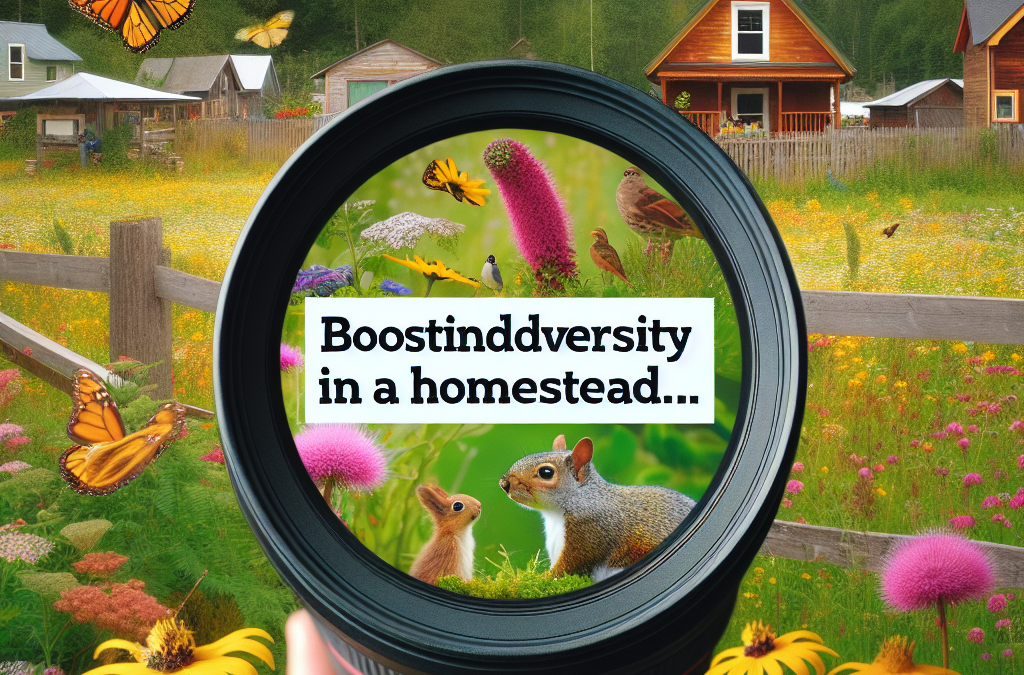
Create Native Habitat Zones Understanding Native Plants One of the first steps in enhancing biodiversity on your homestead is understanding the role of native plants. These are the plants that naturally occur in your local ecosystem, meaning they are adapted to the...
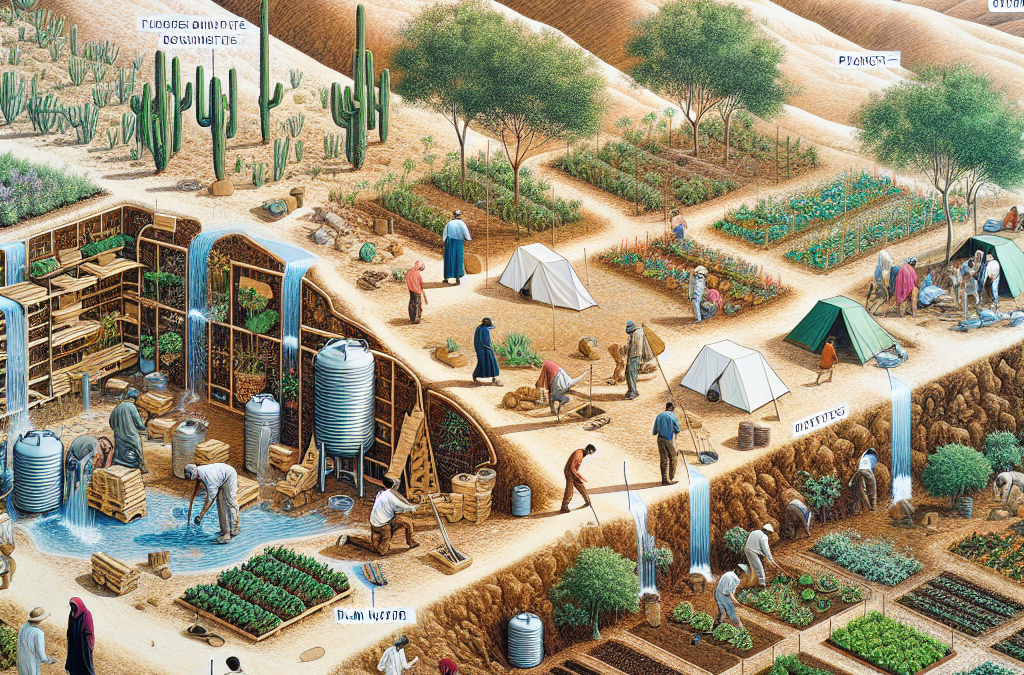
by | | Homesteading Lifestyle
1. Choosing the Right Location Understanding the Climate When I first decided to venture into homesteading, the climate was a huge consideration. In arid regions, rainfall can be scarce, and temperatures can swing dramatically. I learned to look at historical climate...