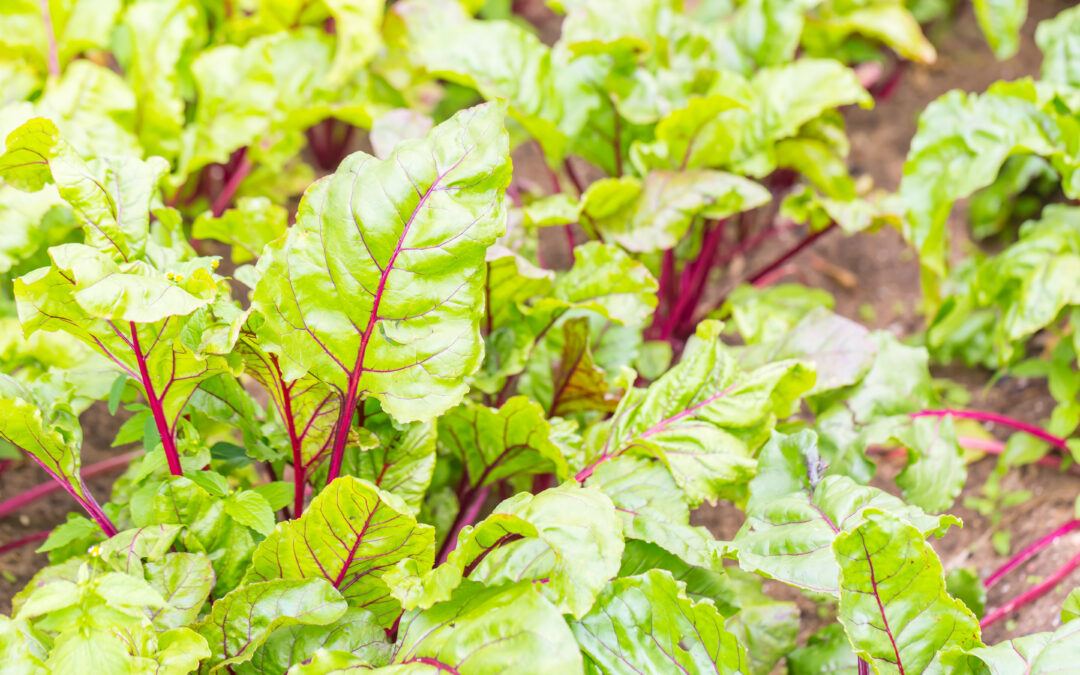
Organic gardening begins beneath your feet. Healthy, living soil is the foundation of flavorful, productive plants, and it’s where real resilience is built. Start by feeding the earth: add generous layers of compost, incorporate well-rotted manure, and choose cover crops to fix nitrogen and protect structure. Test pH and nutrients, then amend modestly — aim to nurture microbial life rather than relying on quick-release chemicals. Mulch to retain moisture, prevent erosion, and feed soil organisms as it breaks down. When the ground teems with microbes, beneficial fungi, and earthworms, your plants draw up nutrients efficiently and resist stress naturally.
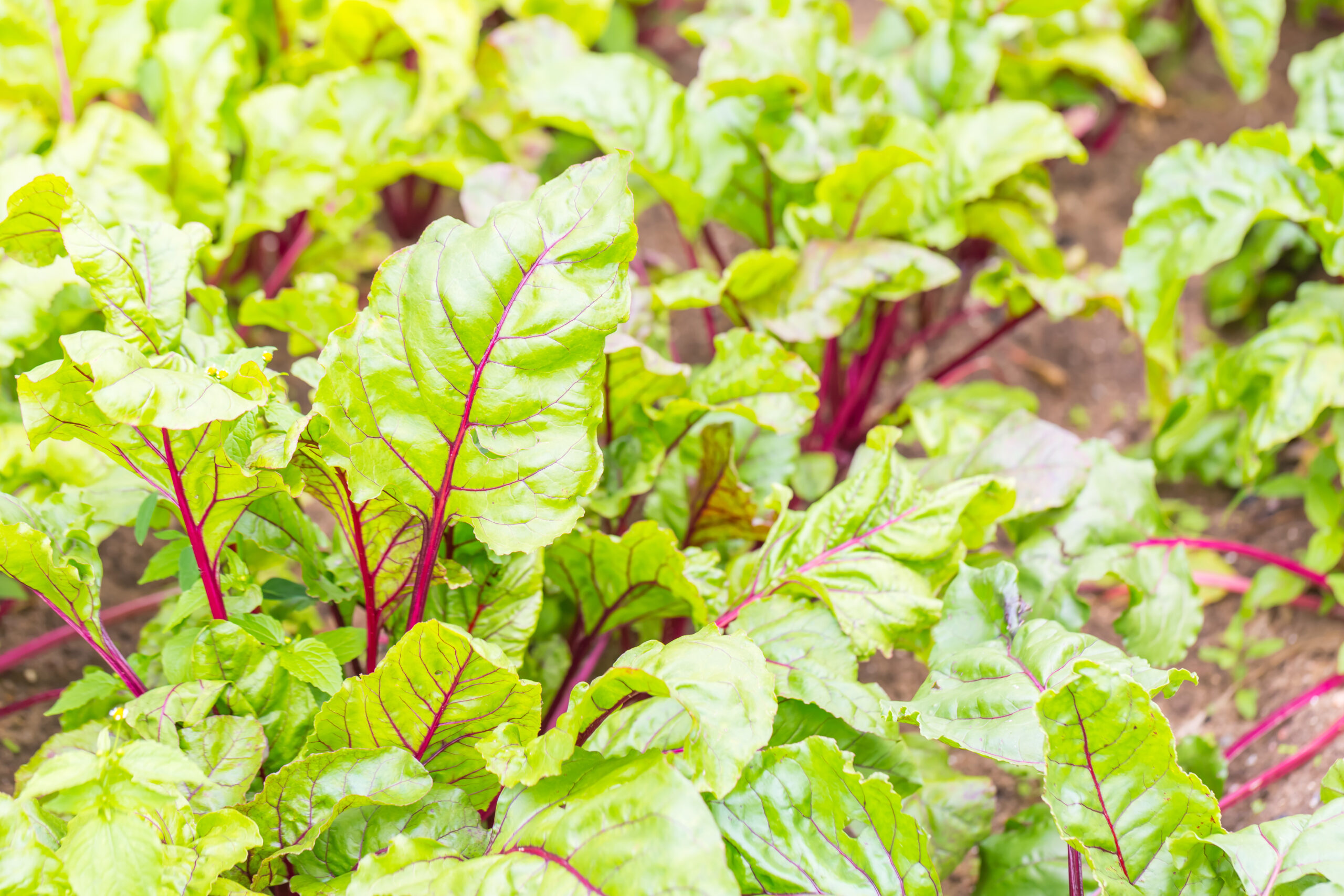
Seed to Sprout: Choose varieties suited to your climate and space. Heirlooms often offer superior taste; hybrids can deliver disease resistance and higher yields — mix both depending on needs. Start seeds indoors for an early jump, harden off seedlings gradually, and practice succession planting to prolong harvests. Give each crop the right spacing to reduce competition and improve air circulation. Rotate families year to year to prevent pest and disease buildup. Keep a planting calendar and note what thrives; over time you’ll learn which cultivars reward your garden with heavy, reliable harvests.
Garden Allies: Think beyond pesticides. Attract predators — ladybugs, lacewings, parasitic wasps, and birds — by planting a diversity of blooms like calendula, alyssum, and native wildflowers. Use companion planting to confuse pests and enhance growth: basil with tomatoes, marigolds near beans, and onions bordering carrots can reduce problems naturally. Employ physical barriers such as row covers and sticky traps, and hand-pick or prune heavily infested foliage. Boost fertility with compost tea, worm castings, and rock dust for trace minerals. Introducing beneficial nematodes or BT for specific pests can be effective without harming helpful insects.

Harvest to Supper: Timing is everything. Pick vegetables and herbs at peak maturity — morning harvests preserve flavor and turgidity. Store root crops in cool, dark conditions; leafy greens do best wrapped loosely and refrigerated. Tomatoes and peppers develop best flavor on the vine; let them ripen fully whenever possible. Preserve surplus by fermenting, canning, freezing, or quick-pickling to extend the season’s bounty. Simple preparations showcase chemical-free produce: roast root vegetables with olive oil and herbs, toss fresh greens with a bright vinaigrette, or blend ripe tomatoes into a rustic sauce. Invite friends and family: nothing beats the satisfaction of serving food that started as a handful of living soil and ended on your supper plate.
From soil stewardship to mindful harvesting, organic gardening rewards curiosity and patience. Nurture the ecosystem beneath the garden and it will return the favor — abundant, chemical-free food that tastes as good as it is for the planet. Start small, experiment boldly, and keep a simple journal of successes and failures — photos and dates are gold. Share surplus with neighbors and swap seeds to widen diversity. In doing so you’ll not only harvest food, but also connection, knowledge, and a garden that feeds body and community daily.