Choosing organic isn’t a trend—it’s a choice that rewards you, your plants, and the planet. Organic gardens improve the flavor and nutrition of homegrown vegetables, reduce exposure to synthetic chemicals, and create a safe outdoor space for kids and pets. For the earth, organic practices build biodiversity, conserve water, and help soil store carbon. In short: you get healthier food, happier wildlife, and a smaller environmental footprint.

Start Smart: Planning Your First Organic Garden
Good gardens begin with good planning. Observe sunlight patterns, note slopes and drainage, and pick a site that receives at least six hours of sun for most vegetables. Sketch a simple layout, spacing beds so you can reach the center without stepping on soil. Decide between in-ground beds, raised beds, or containers depending on space and soil quality. Start small—three to four beds or a few containers are enough to learn without becoming overwhelmed. Choose crops suited to your climate and stagger plantings so harvests come in waves rather than all at once.
Soil Magic: Building Healthy, Living Soil Naturally
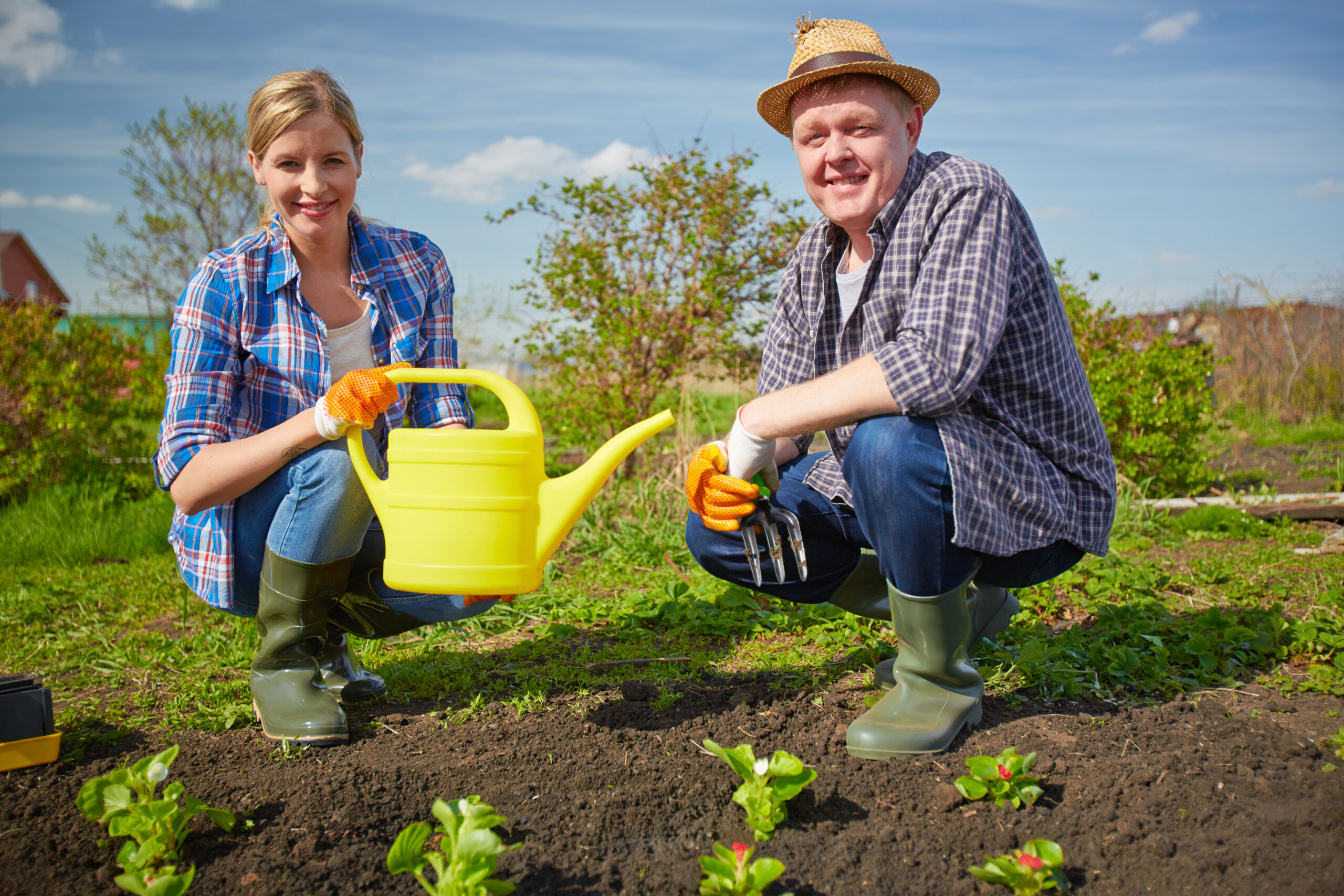
Soil is the secret ingredient. Rather than relying on synthetic fertilizers, think in terms of living soil: a rich ecosystem of microbes, fungi, and nutrients. Compost is gold—add a steady layer to beds each season and feed plants with compost tea for a quick microbial boost. Incorporate well-rotted manure or green manure cover crops like clover and rye to fix nitrogen and add organic matter. Mulch conserves moisture, suppresses weeds, and slowly feeds the soil as it breaks down. Avoid tilling too deeply; gentle, occasional turning preserves soil structure and the beneficial organisms that keep plants resilient.

Pest Control the Organic Way: Prevention and Natural Remedies
Prevention beats cure. Healthy soil and strong plants resist pests better, so start there. Use crop rotation and companion planting to confuse and repel common pests—marigolds, basil, and nasturtiums are more than pretty; they deter nematodes and aphids. Encourage predators: ladybugs, birds, and lacewings love diverse gardens. When intervention is needed, choose targeted, low-toxicity options like insecticidal soap, neem oil, or diatomaceous earth used sparingly. Hand-pick larger pests, and trap slugs with beer or boards. Observe often; catching problems early makes them easier to solve.
Easy Picks and Seasonal Care: Low-Maintenance Plants for Beginners
Start with forgiving crops that reward patience: lettuce, spinach, radishes, bush beans, zucchini, and cherry tomatoes perform well in small spaces and mature fast. Herbs such as rosemary, thyme, and mint demand little fuss and brighten both meals and beds. Learn the seasonal rhythms—cool-season greens flourish in spring and fall, while tomatoes and peppers thrive in warm months. Mulch, regular watering (morning is best), and light pruning will keep plants productive without marathon maintenance.
Organic gardening is accessible, rewarding, and surprisingly forgiving. Start small, tend steadily, and watch a living ecosystem do most of the work for you. Happy growing! Join a local gardening group or swap seedlings to learn faster and make new plant-loving friends and neighbors.
Related Content
- 10 Effective homestead gardening tips to Boost Your 2025 Results
- Urban Eden: How to Create a Lush Organic Garden in Small Spaces
- Unlocking the Secrets of DIY Homestead Hacks: Effortless Solutions for Sustainable Living
- Home Farming 101: Everything You Need to Know to Get Started
- From Dependent to Unstoppable: Building Skills That Last