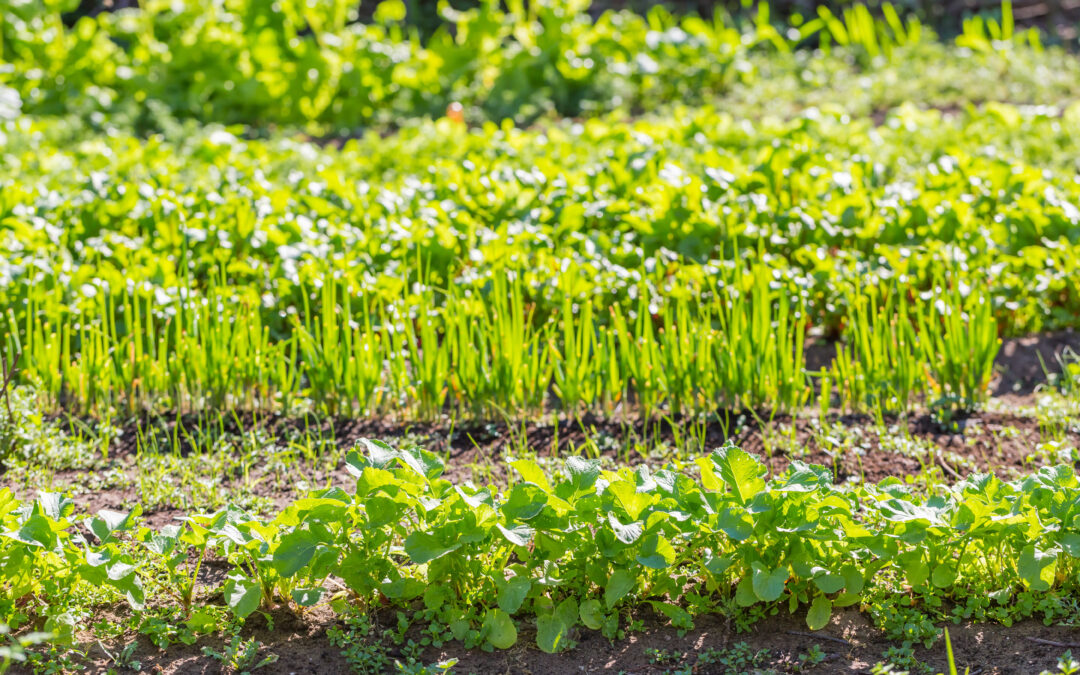
Welcome to the comprehensive guide on growing vegetables year round in 2025! Whether you’re a seasoned gardener or just starting out, mastering this skill can significantly boost your self-sufficiency and fresh produce intake throughout the year. In this article, we’ll explore ten effective strategies to help you grow vegetables year round, ensuring a continuous harvest despite seasonal changes. From climate considerations to innovative techniques, these tips will empower you to make the most of your gardening space in 2025.

Table of Contents
- 1. Winter Greenhouse Gardening
- 2. Implementing LED Grow Lights
- 3. Soil Management for All Seasons
- 4. Efficient Water Usage Techniques
- 5. Optimizing Planting Dates
- 6. Strategic Companion Planting
- 7. Selecting the Best Vegetables for Year-Round Growing
- 8. Temperature Regulation Methods
- 9. Indoor Vertical Gardens
- 10. Organic Pest Control Strategies
1. Winter Greenhouse Gardening
Creating a Passive Greenhouse
One of the most effective strategies for growing vegetables year round in 2025 is developing a passive greenhouse. These structures utilize sunlight and insulation to maintain warm temperatures without external power, making them energy-efficient and cost-effective. Building a passive greenhouse involves strategic placement, proper insulation, and orientation to maximize solar gain.
The key advantage of passive greenhouses is that they extend the growing season into the colder months, allowing you to grow crops like lettuce, spinach, and carrots throughout winter. By capturing and storing solar energy during the day, they create a microclimate suitable for year-round cultivation.
For example, I retrofitted my backyard greenhouse last year with thermal curtains and south-facing glazing, which helped maintain temperatures above freezing even during the coldest months. This simple investment paid off by enabling me to harvest fresh produce well into January.
Materials and Design Tips
When designing a winter greenhouse, select durable materials like double-glazed polycarbonate panels and insulated foundation bases. Proper sealing and insulation minimize heat loss, crucial for maintaining an optimal environment.
Consider incorporating thermal mass elements, such as water barrels or concrete slabs, that absorb heat during the day and release it at night. This passive approach reduces reliance on supplemental heating sources, aligning with sustainable gardening goals for 2025.
Ensuring good ventilation and humidity control will prevent problems like mold or fungal infections, which are common in enclosed, moist conditions. Regular monitoring and vent adjustments help keep the environment optimal.
2. Implementing LED Grow Lights
Choosing the Right Lights for Your Space
In 2025, LED grow lights are more advanced and energy-efficient than ever. They enable growing vegetables year round indoors or in spaces with limited natural sunlight. When selecting LED grow lights, consider full-spectrum options that mimic natural sunlight, promoting healthy plant growth.
My experience shows that investing in adjustable LED setups allows flexibility as plants develop through different growth stages. For example, seedlings need different light intensities than mature vegetables. Customization increases yield and accelerates growth cycles.
Look for lights with adjustable height and dimming capabilities to tailor light intensity, ensuring plants receive optimal illumination without wasting energy. Energy savings from modern LEDs also contribute to reducing your gardening costs over time.

Placement and Timing Tips
Proper placement is key: position LED grow lights about 12-24 inches above plants, adjusting as they grow taller. Use timers to automate lighting cyclesâgenerally 14-16 hours of light per day for most vegetables.
In 2025, smart grow systems integrate sensors and automation, so you can monitor and optimize light, temperature, and humidity remotely. This tech-savvy approach streamlines year-round growing with minimal effort.
Consistent lighting schedules are essential for predictable growth. Combining LED grow lights with natural lightâwhen availableâmaximizes energy efficiency and plant health.
Conclusion
Growing vegetables year round in 2025 is more achievable than ever, thanks to innovative techniques and sustainable practices. From greenhouses and artificial lighting to soil management and pest control, the strategies outlined in this guide are designed to help you maintain a consistent harvest throughout every season. Whether you’re expanding your garden or starting fresh, implementing these ten effective strategies will ensure you stay productive and enjoy fresh, homegrown vegetables all year long. Remember, mastering the art of growing vegetables year round not only benefits your health but also contributes to a more sustainable lifestyle. So get planting and enjoy the abundant rewards of year-round gardening!
Frequently Asked Questions
1. Can I grow vegetables year round in small urban spaces?
Absolutely! Container gardening, indoor setups, and vertical gardens make it possible to grow vegetables year round even in limited spaces.
2. What are the best vegetables for growing year round in 2025?
Leafy greens like lettuce, kale, and spinach, root vegetables like carrots and beets, and herbs such as basil and parsley are ideal for all-season gardening.
3. How do I maintain soil health for year-round growing?
Practice crop rotation, incorporate compost, and use organic soil amendments to keep your soil fertile and healthy throughout the year.
4. Growing vegetables year round requires planningâwhatâs the best method?
Creating a calendar for planting and harvesting, combined with controlled environment setups like greenhouses and artificial lighting, will optimize your year-round gardening success.
5. What are some eco-friendly pest control methods for continuous vegetable growing?
Utilize organic pesticides, beneficial insects, and crop diversity to prevent pests naturally while maintaining a sustainable gardening practice.