- 1. Start Small with Container Gardens
- 2. Use Organic Soil and Composting
- 3. Choose Nutrient-Dense Crops
- 4. Implement Water Conservation Techniques
- 5. Incorporate Permaculture Principles
- 6. Set Realistic Harvest Goals
- 7. Practice Pest Management Naturally
- 8. Utilize Modern Technology for Gardening
- 9. Plan for Year-Round Food Production
- 10. Connect with Community for Shared Resources
1. Start Small with Container Gardens
Making the Most of Limited Space
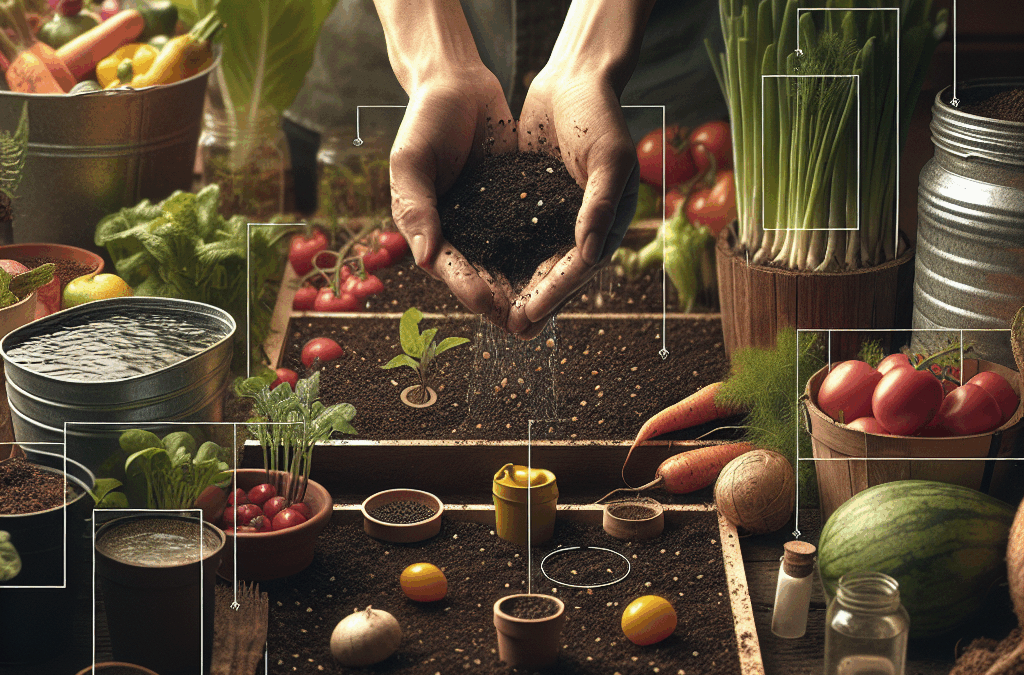
Beginning your homegrown food living journey doesnât require a sprawling backyard. Container gardening is a fantastic way for beginners to start growing herbs, vegetables, and fruits right on a balcony, porch, or even windowsill. With the right containers, you can maximize space efficiency and enjoy fresh produce in a small area.
Research shows that container gardens can yield up to 10-15 pounds of herbs and vegetables per season, making them a practical choice for urban dwellers. Start with easy-to-grow plants like cherry tomatoes, basil, or lettuce to build your confidence.
Use high-quality soil and consider vertical gardening techniques to expand your growing space vertically, further enhancing your homegrown food living experience. Remember, every small step builds towards a more sustainable lifestyle in 2025.
Practical Tips for Container Success
Choose containers with adequate drainage to prevent root rot. Use organic potting mixes enriched with compost to promote healthy plant growth. Regular watering and natural fertilization will ensure your plants thrive throughout the season.
Container gardens are especially effective for experimenting with new crops or herbs without committing to large garden beds. Plus, they allow easy mobility to optimize sunlight exposure, critical for healthy growth.
2. Use Organic Soil and Composting
Building Healthy Soil for Better Yields
Healthy soil is the foundation of homegrown food living. In 2025, the emphasis on organic practices continues to grow, with gardeners increasingly turning to composting to enrich their soil naturally. Composting transforms kitchen scraps and yard waste into nutrient-dense compost, reducing waste and improving soil health.
According to recent studies, compost-enhanced soil improves plant growth and resilience to pests and diseases. The use of organic soil amendments minimizes chemical runoff and promotes a healthier ecosystem around your garden.
Start small by collecting kitchen peelings, coffee grounds, and grass clippings. Over time, you’ll develop rich compost that supports vigorous plant growth and maximizes your food production.
Steps to Successful Composting
Maintain a balance ofâ¯greens (nitrogen-rich materials) and browns (carbon-rich materials). Keep your compost moist but not soggy, and turn it regularly to aerate. Invest in a compost bin or create a simple compost pile in your backyard.
By incorporating compost into your homegrown food living routine, youâre giving your plants the best start possible while embracing sustainable habits that contribute to environmental health.
3. Choose Nutrient-Dense Crops
Selecting the Right Plants for Optimal Nutrition
In 2025, growing nutrient-dense crops is at the forefront of homegrown food living as more people seek healthier diets. Leafy greens, heirloom vegetables, and root crops like carrots and beets are packed with essential nutrients and vitamins, making them excellent choices.
By focusing on crops known for their high nutritional value, you can improve your health while reducing dependence on store-bought produce. Additionally, some varieties are more resilient and easier to grow, making them perfect for home gardens.
Consider experimenting with hybrid varieties or heirlooms to boost your gardenâs nutritional output. The key is diversityâplant a variety of crops to ensure a well-rounded, healthful diet in 2025.
Maximizing Nutrient Content
Practice crop rotation and companion planting to prevent soil depletion and pests naturally. Harvest crops at peak ripeness for maximum nutrient content, and try to incorporate both leafy greens and root vegetables into your weekly meals.
Growing your own nutrient-dense crops promotes homegrown food living that is both sustainable and healthful, aligning with the trend towards organic and locally sourced foods in 2025.
4. Implement Water Conservation Techniques
Smart Watering Strategies for Sustainability
Water is a precious resource, especially as climate change impacts rainfall patterns worldwide. In 2025, homegrown food living involves adopting water-wise gardening practices. Techniques such as drip irrigation, soaker hoses, and rainwater harvesting help conserve water without sacrificing crop yields.
Studies show that drip irrigation can reduce water use by up to 30% compared to traditional watering methods. It delivers water directly to the plant roots, minimizing waste and evaporation.
Collecting rainwater in barrels and using mulch to retain soil moisture are simple yet effective methods. These strategies not only support sustainable homegrown food living but also reduce your utility bills.
Practical Water-Saving Tips
Water early in the morning or late evening to reduce evaporation. Incorporate drought-tolerant plants and native species that require less water. Regularly check for leaks and maintain your watering systems to improve efficiency.
Incorporating water conservation practices ensures your garden remains productive and sustainable well into 2025, supporting a healthier planet and lifestyle.
5. Incorporate Permaculture Principles
Designing for Resilience and Sustainability
Permaculture offers a holistic approach to homegrown food living by designing gardens that work with nature rather than against it. In 2025, permaculture principles include creating food forests, integrating livestock, and cultivating polycultures that naturally resist pests and diseases.
By mimicking natural ecosystems, permaculture reduces the need for chemical inputs and promotes biodiversity. The success of permaculture-based gardens lies in layering plants, selecting perennial crops, and establishing water catchments.
This approach can turn your garden into a self-sustaining, resilient system that produces abundant food year-round with minimal maintenance.
Getting Started with Permaculture
Start small by implementing companion planting and creating microclimates. Observe how your garden’s micro-ecosystem functions and adapt your designs accordingly. Education resources and local permaculture groups can provide guidance tailored to your climate.
Homegrown food living through permaculture is a step towards regenerative gardening that benefits your health, finances, and the environment in 2025.
6. Set Realistic Harvest Goals
Planning for Consistency and Satisfaction
Setting achievable harvest goals helps manage expectations and ensures a steady supply of fresh produce. For instance, aim to harvest a certain amount of greens weekly or plan for freeze-and-preserve methods to extend your seasonal bounty.
In 2025, data suggests that home growers who set specific goals are more likely to stick with their projects and see tangible results. This boosts motivation and creates a sustainable homegrown food living routine.
Track your progress using journals or garden apps. Adjust your planting schedule based on your results to optimize productivity across seasons.
Tools for Effective Planning
Utilize planting calendars, local weather forecasts, and garden planners to set clear targets. Diversify crops to ensure continuous harvests, and consider preserving excess produce through canning or drying.
Realistic goals make your journey into homegrown food living more enjoyable and sustainable in 2025, helping you eat healthier and save money.
7. Practice Pest Management Naturally
Eco-Friendly Pest Control Methods
Reducing chemical pesticide use aligns perfectly with the principles of homegrown food living. In 2025, gardeners turn to organic pest control techniques like neem oil, insecticidal soaps, and introducing beneficial insects such as ladybugs and predatory nematodes.
Healthy plants grown in nutrient-rich soil are naturally more resistant to pests. Companion planting with herbs like basil and mint can also deter common garden pests.
Monitoring your garden regularly and encouraging natural predators creates a balanced ecosystem that keeps pests in check without harmful chemicals.
Implementing Natural Pest Strategies
Create biodiversity zones in your garden by planting a variety of species. Use trap crops to lure pests away from main crops. Keep pathways clean and remove debris to reduce pest habitats.
These ecological methods support sustainable homegrown food living and protect your familyâs health in 2025.
8. Utilize Modern Technology for Gardening
Smart Devices and Apps for Garden Optimization
Technology plays an increasing role in homegrown food living in 2025. Smart sensors can monitor soil moisture, temperature, and light levels, providing real-time data to optimize watering, fertilization, and planting timings.
Gardening apps help plan crop schedules, set reminders, and track growth progress. Automated watering systems can be programmed to deliver precise amounts of water, conserving resources and reducing effort.
Investing in these tools will make your garden more efficient and productive, helping you achieve a bountiful harvest with less manual work.
Getting Started with Garden Tech
Choose equipment compatible with your garden size and budget. Start with one or two smart devices and expand as you gain experience. Online tutorials and support communities can enhance your understanding and utilization of these tools.
Embracing technology in homegrown food living not only increases efficiency but also makes gardening more accessible and fun in 2025.
9. Plan for Year-Round Food Production
Extending Your Growing Season
In 2025, successful homegrown food living includes strategies for extending your harvest beyond the typical growing season. Techniques like cold frames, hoop houses, and indoor gardening enable year-round production.
Growing indoors with grow lights allows for the cultivation of herbs, leafy greens, and small vegetables during winter months, ensuring continuous access to fresh produce.
Planning multiple crop cycles and choosing hardy varieties contribute to consistent food availability, reducing store-bought reliance and promoting self-sufficiency.
Practical Ideas for All Seasons
Utilize season extension tools such as mulches and season-specific planting calendars. Learn preservation methods like freezing and dehydration to store excess harvests.
Long-term planning ensures your homegrown food living lifestyle remains sustainable and fulfilling throughout 2025.
10. Connect with Community for Shared Resources
The Power of Local Gardening Networks
Joining local gardening groups or community-supported agriculture (CSA) programs enhances your homegrown food living experience. Sharing tools, seeds, and knowledge reduces costs and increases success rates.
Community gardens are excellent for expanding your growing space, learning new techniques, and fostering social connections around food sustainability.
In 2025, collective efforts promote resilience and create a supportive environment for everyone to enjoy fresh, homegrown produce.
Building a Support System
Participate in workshops, seed swaps, or volunteer days at community gardens. Use social media groups to exchange tips and resources with nearby growers.
Homegrown food living thrives when rooted in community collaboration, paving the way for a healthier, more sustainable lifestyle in 2025.
Conclusion
Adopting these 10 powerful homegrown food living tips can transform your approach to food in 2025, making your lifestyle healthier, more sustainable, and more self-sufficient. From starting small with container gardens to incorporating permaculture principles and leveraging modern technology, each step brings you closer to abundant, nutritious, and delicious homegrown produce. Remember, your journey into homegrown food living is a marathon, not a sprintâso set achievable goals, stay adaptable, and connect with your community. The rewards are worth itâbetter health, reduced environmental impact, and the joy of eating food cultivated with your own hands.
Frequently Asked Questions
1. What is homegrown food living?
Homegrown food living refers to the practice of growing your own fruits, vegetables, and herbs at home to promote a healthier, sustainable lifestyle.
2. How can I start with homegrown food living if I have limited space?
Start with container gardening on your balcony, windowsill, or small backyard. Choose easy-to-grow crops like herbs, lettuce, or tomatoes to begin your journey.
3. What are some eco-friendly pest control methods for my garden?
Use natural predators like ladybugs, neem oil, insecticidal soaps, and companion planting to manage pests without harmful chemicals.
4. How does homegrown food living contribute to sustainability?
Growing your own food reduces reliance on store-bought produce, minimizes food miles, and encourages organic, eco-friendly practices, all of which benefit the environment.
5. Why is planning for year-round food production important?
It ensures a continuous supply of fresh food and reduces dependence on seasonal markets, making your homegrown food living more resilient and sustainable throughout the year.