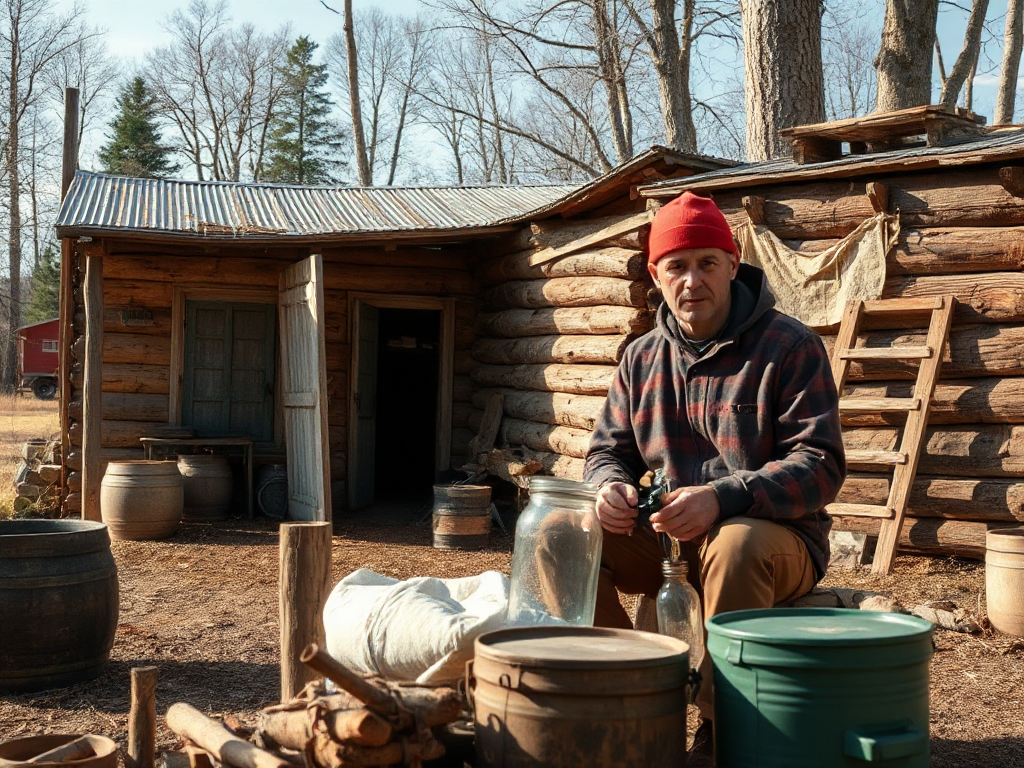
Homestead preparedness for hard times involves proactive planning to ensure food security, resource management, and self-sufficiency during crises. Key steps include establishing a sustainable food source, such as a garden or livestock, creating a comprehensive emergency plan, and cultivating community networks for support. Recognizing potential risks like natural disasters or economic downturns is crucial, as is prioritizing essential skills like food preservation and basic repairs to enhance resilience.
Understanding the Importance of Preparedness
Preparedness for hard times is essential for homesteaders aiming to maintain their independence and resilience. This involves more than just stockpiling supplies; it requires a comprehensive approach to ensure long-term survival and self-sufficiency. Evaluating potential threats, such as economic instability, natural disasters, or even pandemics, allows homesteaders to create a tailored strategy that addresses their unique circumstances.

Many individuals underestimate the complexities of preparedness, often focusing solely on physical supplies without considering the skills and knowledge necessary for effective resource management. Recognizing common pitfalls, such as neglecting to practice essential skills or failing to adapt plans as circumstances change, is critical. A proactive mindset not only enhances individual readiness but also fosters a sense of community responsibility.
Creating a Sustainable Food Supply
A reliable food supply is the cornerstone of homestead preparedness. Establishing a diverse garden that includes perennial plants, vegetables, and herbs ensures that food sources are available year-round. Additionally, considering livestock options, such as chickens for eggs or goats for milk, can enhance food security and provide necessary nutrients.
It is vital to implement sustainable practices, such as crop rotation and companion planting, to maintain soil health and maximize yields. Regularly assessing your food production methods and adapting to changing conditions—like drought or pest infestations—will help mitigate risks. One common mistake is relying solely on store-bought seeds or plants; instead, consider saving seeds from your harvest to ensure self-sufficiency.
Developing an Emergency Plan
An emergency plan is a crucial component of homestead preparedness, outlining steps for various crisis scenarios, including natural disasters, economic collapse, or health emergencies. Begin by assessing your vulnerabilities and creating a tailored plan that includes evacuation routes, communication methods, and resource allocation.
Regular drills and practice sessions can help ensure that all family members understand their roles and responsibilities during an emergency. Common missteps include failing to update the plan regularly or neglecting to involve all household members in the planning process. By prioritizing communication and regular updates, you can enhance your family’s preparedness and confidence in facing hard times.
Building Community Support Networks
Community support is invaluable during hard times, providing not only resources but also emotional backing. Building relationships with neighbors and local homesteaders can create a robust support network, facilitating resource sharing and collaboration during crises. Consider organizing local meetups to discuss preparedness strategies and share skills.
A common misconception is that homesteading is a solitary endeavor; however, engaging with the community fosters resilience and offers diverse perspectives on problem-solving. Establishing a barter system can also enhance your resource network, allowing members to trade goods and services that may become scarce during difficult times.
Frequently Asked Questions
What should I prioritize in my homestead preparedness plan?
Focus on establishing a sustainable food supply, creating an emergency plan, and building community networks.
How can I create a sustainable garden?
Incorporate diverse plants, use crop rotation, and practice companion planting to enhance soil health and maximize yields.
What are the key components of an emergency plan?
Your plan should include evacuation routes, communication methods, and resource allocation strategies for various scenarios.
How can I build a community support network?
Engage with neighbors, attend local meetups, and consider establishing a barter system to share resources and skills.
What common mistakes should I avoid in my preparedness efforts?
Avoid neglecting skill development, failing to update your emergency plan regularly, and relying solely on store-bought seeds.
Conclusion
Fostering homestead preparedness for hard times is an ongoing process that requires commitment and adaptability. By prioritizing a sustainable food supply, developing a robust emergency plan, and building a supportive community network, you can enhance your resilience against potential crises. Continuously evaluate and refine your strategies to ensure you are well-equipped to face any challenges that may arise, securing not just your resources but also your peace of mind.
Further Reading
Authoritative Sources
- Ready.gov Preparedness Guidance
ready.govFederal preparedness guidance for household planning, alerts, supplies, and emergencies.
- American Red Cross Emergency Preparedness
redcross.orgEmergency preparedness resources for families, disasters, and practical safety planning.
- FEMA Preparedness Resources
fema.govNational preparedness resources for planning, mitigation, and response readiness.