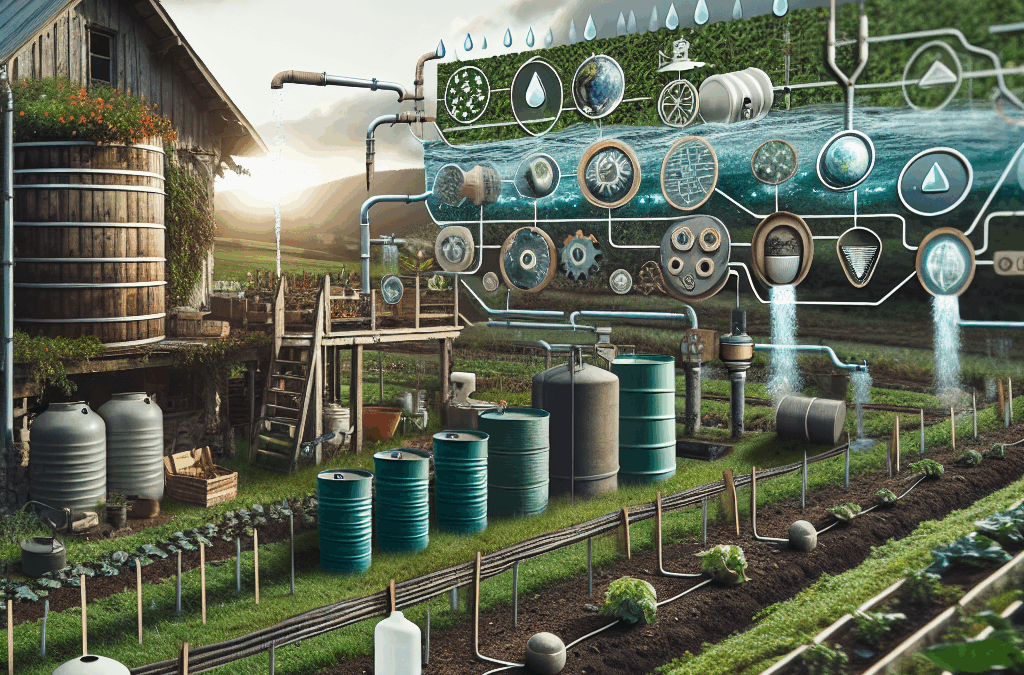
Welcome to the definitive resource on homestead rainwater collection for 2025! Whether you’re a seasoned homesteader or just starting your sustainable journey, understanding how to effectively harvest rainwater is essential. In this guide, we’ll explore innovative strategies, practical tips, and critical insights to help you optimize your homestead rainwater collection system. By the end, you’ll be equipped with everything you need to maximize your water independence and eco-friendly living in 2025.
Table of Contents
- 1. Importance of Rainwater Harvesting in Modern Homesteads
- 2. Understanding Local Rainfall Patterns and Climate
- 3. Legal Considerations for Rainwater Collection
- 4. Designing Your Homestead Rainwater Collection System
- 5. Choosing the Right Catchment Surfaces and Materials
- 2024. Efficient Water Storage Solutions for Homesteads
- 2025. Future Trends and Innovations in Homestead Rainwater Collection
1. Importance of Rainwater Harvesting in Modern Homesteads
The Benefits of Rainwater Collection
Rainwater harvesting has become increasingly vital for sustainable living in 2025. It reduces dependence on municipal water supplies, lowers utility bills, and promotes eco-friendliness. For homesteads, collecting rainwater offers a reliable water source during droughts and water restrictions. Practical implementations include installing rain barrels or larger cisterns, which can store hundreds to thousands of gallons of water.
Studies show that utilizing harvested rainwater can decrease household water bills by up to 30%. Plus, it diminishes the strain on local water systems, promoting environmental health. As climate change leads to unpredictable weather patterns, maintaining a robust rainwater catchment system is more critical than ever.
Real-world examples include homesteaders in California adopting extensive rainwater harvesting systems to sustain their gardens and livestock, even amid persistent droughts. This underscores the importance of proactive planning for water resilience in 2025.
Strategic Planning for Homestead Rainwater Collection
Developing a clear plan ensures your rainwater collection system meets your propertyâs needs. Start with assessing annual rainfall, water demand, and available space. Creating a system map helps visualize catchment areas, storage locations, and distribution points.
Additionally, prioritize safety and compliance from the outset. Proper filtration and sediment removal are essential, especially if you plan to use harvested water for drinking or livestock.
Integration with other sustainability features, like greywater recycling or composting, can create a comprehensive water management strategy for your homestead.
2. Understanding Local Rainfall Patterns and Climate
Analyzing Your Regional Climate Data
Before designing your homestead rainwater collection system, itâs crucial to understand local rainfall patterns. Look at historical data for your regionâ2025âs climate projections indicate some areas may experience more intense storms or longer dry spells. Tools like NOAA climate reports or local weather stations offer valuable insights.
Knowing the average annual rainfall and seasonal distribution helps optimize catchment surface sizing and storage capacity. For example, if your area receives 20 inches of rain annually, strategic sizing can ensure your system captures maximum water with minimal overflow or wastage.
Incorporating climate predictions for 2025 can further improve system resilience. Adapt your harvesting approach based on anticipated shifts in rainfall patterns to maintain sufficient water supply year-round.
Adjusting for Climate Change and Future Weather Trends
Climate models project that many regions will experience more extreme weather in 2025, including heavier storms and prolonged droughts. To future-proof your homestead rainwater collection, consider installing larger storage tanks and more efficient catchment systems that can handle significant rainfall events.
Utilizing climate data and predictive analytics allows you to plan for these fluctuations. Integrate overflow management systems and backup water sources to ensure continuous supply, even during unexpected dry periods.
This proactive approach not only conserves water but also builds resilience against climate variability, making your homestead more sustainable in the long term.

3. Legal Considerations for Rainwater Collection
Understanding State and Local Regulations
Legal policies surrounding homestead rainwater collection vary by location. In 2025, some states have relaxed restrictions, encouraging rainwater harvesting, while others maintain strict regulations. Itâs essential to research your specific areaâs laws before installing a system.
Many jurisdictions now recognize the value of rainwater harvesting and have implemented policies to support it. Check with local government agencies or water authorities for permits, restrictions, and best practices.
Failing to comply with regulations can lead to fines or system modifications, so staying informed is critical for long-term success.
Permitting and Incentives in 2025
Incentive programs for rainwater collection are increasingly common. Some areas offer rebates or tax credits for installing compliant systems. Proper permitting also ensures your homestead rainwater collection qualifies for these benefits.
Consultation with local experts or organizations can streamline the permitting process and help you choose compliant equipment. Staying informed about legal updates in 2025 ensures your rainwater harvesting efforts are both effective and lawful.
Implementing legal, sustainable systems paves the way for successful water independence on your homestead.
Conclusion
Homestead rainwater collection remains one of the most sustainable and cost-effective strategies for ensuring water security in 2025. By understanding local climate patterns, complying with legal regulations, and designing resilient systems, you can significantly reduce dependence on municipal water and promote eco-friendly living. As we move further into 2025, innovative approaches and smarter infrastructure will make homestead rainwater collection even more vital. Embrace these strategies today to secure a sustainable future for your homestead!
FAQs
1. What is homestead rainwater collection?
Homestead rainwater collection involves capturing and storing rainwater from your propertyâs roofs or catchment surfaces for later use, such as irrigation, household needs, or livestock care. Itâs a sustainable way to reduce reliance on municipal water supplies.
2. How much rainwater can I collect on my homestead in 2025?
The amount depends on your roof size, local rainfall, and system efficiency. For example, a 1,000 sq ft roof in an area with 20 inches of annual rainfall can yield approximately 12,000 gallons annually. Proper system sizing ensures you maximize collection capacity.
3. Are there legal restrictions on rainwater harvesting in my area?
Yes, regulations vary by location. Some states encourage rainwater harvesting, while others require permits. Check with local authorities to ensure your system complies with current laws in 2025.
4. What are the best materials for rainwater catchment surfaces?
Popular choices include metal, asphalt, and certain plastics that are durable and non-toxic. Avoid materials that could leach chemicals into your water supply. Proper surface conditioning extends system longevity.
5. How do I maintain my homestead rainwater collection system?
Regular cleaning of gutters and filters, inspecting tanks for leaks, and testing water quality are key. In 2025, adopting smart sensors and automation can help streamline maintenance tasks.