- 1. Building a Self-Sufficient Food Garden
- 2. Food Preservation Techniques
- 3. Raising Livestock Responsibly
- 4. Water Collection and Management
- 5. Solar Power and Renewable Energy Systems
- 6. Basic Homestead Medicine & First Aid
- 7. Composting & Soil Health Improvement
- 8. Pest and Weed Control Naturally
- 9. Sustainable Building and Maintenance
- 10. Building a Local Homestead Community
1. Building a Self-Sufficient Food Garden
Creating resilient vegetable beds
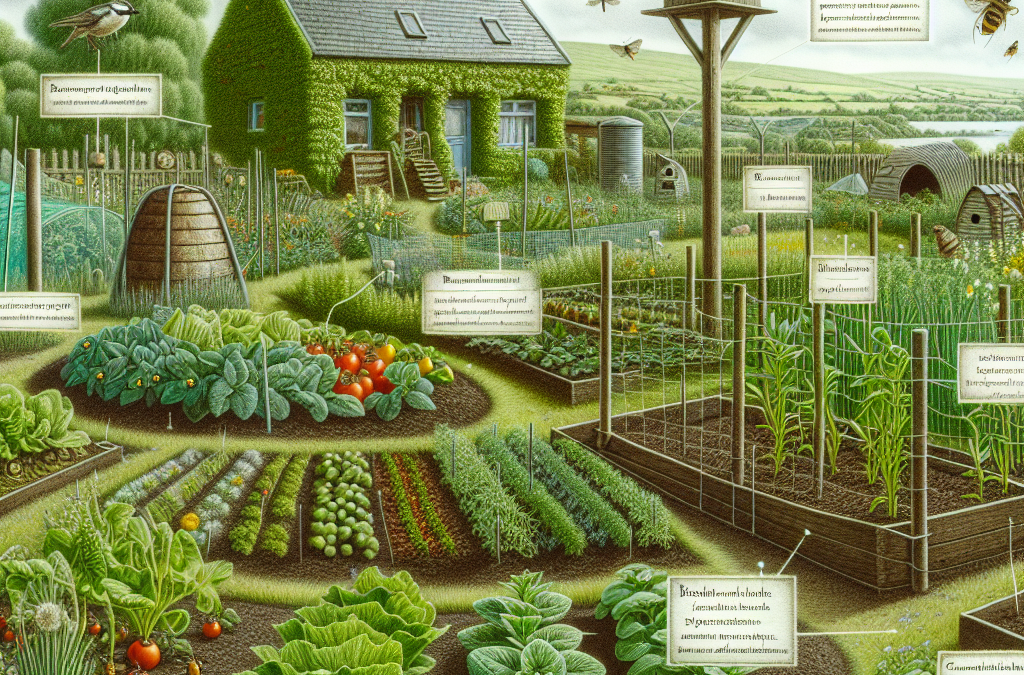
Growing your own food is the cornerstone of homesteading, especially in 2025 when sustainability is more crucial than ever. Building a resilient vegetable garden means selecting climate-appropriate crops, utilizing permaculture principles, and rotating crops to maintain soil fertility. Incorporating heirloom varieties can also ensure genetic diversity and crop resilience.

For example, many homesteaders are now planting drought-resistant vegetables like kale, Swiss chard, and carrots to cope with changing weather patterns in 2025. These crops require less water and are nutrient-dense, making them ideal for long-term self-sufficiency.
Practical tips include using raised beds for better drainage, mulching to conserve moisture, and companion planting to reduce pests naturally. Learning from local homesteading communities can also provide strategies tailored to your region.
Implementing permaculture design
Permaculture design integrates plants, animals, and humans into a sustainable ecosystem. It enhances the productivity of your homestead while reducing labor and resource inputs. In 2025, permaculture principles are increasingly popular among homesteaders aiming for a balanced, low-impact lifestyle.
Key concepts involve stacking functions, designing water catchment systems, and choosing plants that support each other symbiotically. For instance, planting nitrogen-fixing legumes alongside your vegetable beds can naturally boost soil health.
By adopting permaculture design, you turn a simple garden into a resilient and regenerative system that can withstand climate uncertainties, ensuring your homestead remains productive in 2025 and beyond.
2. Food Preservation Techniques
Modern methods of preserving food
Food preservation is critical, especially when aiming for self-sufficiency. By 2025, advanced yet accessible techniques like vacuum sealing, dehydration, and fermentation are becoming more mainstream among homesteaders. These methods help extend the shelf life of produce, meats, and dairy.
For example, fermentation not only preserves food but also boosts gut health with beneficial probiotics. Sauerkraut, kimchi, and kefir are popular choices that can be prepared at home with minimal equipment.
Implementing these methods requires understanding proper safety protocols to prevent spoilage and pathogens. Blogs, workshops, and online courses can guide beginners through the process, making food preservation both safe and enjoyable.
Seasonal and bulk preserving
In 2025, savvy homesteaders plan for seasonal abundance by harvesting and preserving in bulk. This reduces waste and provides nutritious food year-round. Techniques like canning and freezing are essential for this purpose.
Tips include maintaining proper sterilization for canning, labeling jars with dates, and investing in reliable freezers for long-term storage. Bulk buying or growing in succession also ensures a steady supply of produce.
By mastering preservation, you’ll minimize dependence on grocery stores and confidently sustain your family on homegrown, preserved foods all year long.
3. Raising Livestock Responsibly
Choosing the right animals for your homestead
Raising livestock is a key homestead skill to learn, especially as families seek to increase self-sufficiency. In 2025, selecting animals suited to your climate, space, and goals is vital. Chickens, goats, and bees are among the most popular choices for small-scale homesteads.
For example, chickens provide eggs and pest control, while goats offer milk, meat, and pasture maintenance. Bees can produce honey and improve pollination, boosting garden yields.
Practical advice includes understanding local regulations, ensuring humane care, and implementing proper housing and predator protection. Starting small and gradually expanding helps new homesteaders develop confidence and skills.
Eco-friendly husbandry practices
Sustainable livestock management minimizes environmental impact and promotes animal health. Practices like rotational grazing, composting manures, and integrating animals into crop systems help maintain soil fertility and reduce waste.
In 2025, integrating technology such as portable electric fenced areas or automatic watering systems enhances efficiency. Monitoring animal health regularly ensures early disease detection and reduces medication reliance.
Learning these responsible practices transforms livestock rearing into a productive and eco-conscious component of your homestead.
4. Water Collection and Management
Installing rainwater harvesting systems
Water management is a critical homestead skill to learn, especially with changing climate conditions in 2025. Installing rainwater harvesting systems enables you to collect and store rainwater effectively for household use and irrigation. This reduces dependence on municipal water and enhances sustainability.
Practical steps include selecting appropriate rain barrels, setting up gutter systems, and adding filtration units. Ensuring your system complies with local regulations and safety standards is essential.
Using collected rainwater for gardens, livestock, and even household chores can cut water bills and improve resilience during drought periods.
Efficient water use and conservation
Efficient water use involves employing drip irrigation, mulching, and graywater recycling. These techniques conserve water and promote healthy plant growth. In 2025, smart sensors and timers are increasingly affordable, allowing precise watering schedules.
Additionally, designing landscape plans that favor native and drought-tolerant plant species reduces water demand. Educating yourself on local water laws and conservation incentives can also save money and support community sustainability efforts.
Mastering water management keeps your homestead self-reliant and eco-friendly, an essential homestead skill to learn for 2025.
5. Solar Power and Renewable Energy Systems
Installing solar panels and backup systems
Energy independence is increasingly important, and installing solar power is a top homestead skill to learn in 2025. Solar panels can power your home, greenhouse, and water pumps, reducing reliance on fossil fuels.
Begin with assessing your energy needs, choosing the right system size, and understanding net metering options available in your area. Backup options like battery storage ensure energy availability during cloudy days or outages.
Investment in solar technology not only saves money long-term but also aligns with sustainable living goals. Many new models are more affordable and easier to install than ever before.
Maximizing energy efficiency and storage
Energy efficiency involves insulation, LED lighting, and appliances with high energy star ratings. Proper storage practices, such as using deep-cycle batteries, extend your renewable energy investment.
In 2025, energy monitoring apps help track consumption and optimize system performance. Learning these skills ensures your homestead remains energy self-sufficient and environmentally friendly.
6. Basic Homestead Medicine & First Aid
Building a natural medicine cabinet
Homesteading isnât complete without knowledge of basic medicine and first aid. Having a well-stocked natural medicine cabinet with herbs like echinacea, lavender, and calendula can address common ailments.
Learning to prepare tinctures, salves, and teas from homegrown herbs enhances self-reliance. In 2025, educating yourself about natural remedies helps reduce dependence on commercial medications.
Taking first aid courses, especially those tailored for rural settings, prepares you to handle emergencies confidently and effectively.
Managing common health emergencies in rural settings
In remote settings, quick action is vital. Skills such as wound care, splinting, and recognizing signs of infections or dehydration are essential. Developing a first aid kit customized for your homestead is equally important.

Resources like online tutorials and community workshops can expand your knowledge. Also, building relationships with local health providers ensures quick consultation when needed.
7. Composting & Soil Health Improvement
Creating nutrient-rich compost
Healthy soil is the foundation of productive homesteading. Composting organic waste recycles nutrients back into the soil, reducing the need for chemical fertilizers. In 2025, composting systems range from simple piles to advanced tumbler units.
Effective composting involves balancing greens and browns, maintaining moisture, and turning materials regularly. Itâs a skill that pays off in better yields and healthier plants.
By mastering composting, you promote sustainable soil health and reduce waste, making it a vital homestead skill to learn.
Soil testing and amendment strategies
Regular soil testing helps track nutrient levels and pH, guiding your amendments. In 2025, affordable testing kits make this process accessible for home gardeners.
Adding organic amendments like compost, biochar, or cover crops restores soil vitality naturally. Understanding local soil challenges through testing ensures targeted interventions.
Incorporating these practices supports long-term soil fertility, which is essential for a thriving homestead ecosystem.
8. Pest and Weed Control Naturally
Organic pest management techniques
Pest control remains a key homestead skill to learn in 2025. Using biological controls, insecticidal soaps, and companion planting reduces chemical reliance. For instance, planting marigolds deters nematodes and aphids naturally.
Monitoring pest populations and intervening early prevents outbreaks. Predatory insects like ladybugs and beneficial nematodes are practical tools for maintaining pest balance.
Adopting organic pest management techniques ensures food safety and ecological health, aligning with sustainable homesteading principles.
Controlling weeds without chemicals
Weed control can be challenging, but skills like mulching, hand weeding, and using cover crops are effective and chemical-free strategies. Mulching suppresses weeds while conserving moisture.
In 2025, integrating dense planting and crop rotation also manages weeds naturally. Developing a routine for regular maintenance prevents invasive overgrowth.
Mastering these weed control skills creates a cleaner, more productive garden that supports your homestead goals sustainably.
9. Sustainable Building and Maintenance
Building with natural and recycled materials
Constructing buildings sustainably is a valuable homestead skill to learn. Using natural materials like straw bale, cob, or reclaimed wood reduces environmental impact and improves insulation.
In 2025, innovative techniques like earthbag or container gardening structures are gaining popularity for affordability and eco-friendliness. Learning proper techniques ensures durability and safety.
These methods not only save costs but also create healthier indoor environments, making your homestead more self-sufficient and eco-conscious.
Maintaining structures eco-consciously
Regular maintenance with eco-friendly products prolongs the lifespan of your structures. Skills such as sealing, painting with natural paints, and fixing leaks are crucial. Properly maintained buildings reduce energy use and weatherproof your homestead.
Understanding sustainable practices for roofing, drainage, and insulation helps keep your homestead resilient in 2025âs unpredictable climate.
Investing time in resource-efficient maintenance practices is an essential homestead skill to learn for long-term sustainability.
10. Building a Local Homestead Community
Networking and resource sharing
Strong community ties are invaluable for homesteaders. Skills like networking, trading produce, sharing tools, and collaborating on projects strengthen your resilience. In 2025, digital platforms facilitate local exchange and knowledge sharing.
Joining homesteading groups or cooperatives provides support, learning opportunities, and access to collective resources. Sharing skills such as bartering, organizing seed swaps, or group purchasing reduces costs and builds social bonds.
Building a community also enhances safety, as neighbors look out for each other and share emergency resources.
Organizing local workshops and skill swaps
Hosting or participating in workshops fosters skill development and community engagement. For example, teaching others how to make herbal remedies or solar setups can strengthen collective self-sufficiency.
Skill swapsâexchanging knowledge without moneyâare a cost-effective way to learn and teach homestead skills to learn. These activities create a supportive environment where everyone benefits.
By fostering local connections, your homestead becomes part of a larger resilient network, essential for thriving in 2025.
Conclusion
As we’ve explored in this comprehensive guide, mastering these 10 effective homestead skills to learn in 2025 will prepare you for a more sustainable, self-reliant lifestyle. From building robust food systems to harnessing renewable energy, each skill empowers you to thrive independently. Remember, continuous learning and community engagement are the keys to success in homesteading. Embrace these skills today, and you’ll lay the foundation for a resilient and productive homestead in 2025 and beyond.
Frequently Asked Questions
1. Why are homestead skills to learn important in 2025?
In 2025, environmental challenges and economic uncertainties make it crucial to develop skills that promote self-sufficiency. Homestead skills to learn empower individuals to produce their own food, generate energy, and manage resources wisely, ensuring resilience and sustainability.
2. What are the basic homestead skills to learn for beginners?
Beginners should focus on food gardening, composting, water management, and basic animal husbandry. These foundational skills set the stage for building a productive and sustainable homestead.
3. How can I start learning homestead skills in 2025?
Start by researching online resources, joining local homesteading groups, attending workshops, and experimenting with small-scale projects. Practical hands-on experience is the best way to develop these skills.
4. How do homestead skills to learn help with self-sufficiency?
These skills enable you to produce your own food, generate renewable energy, and maintain your homestead with minimal external inputs, reducing reliance on commercial systems and increasing independence.
5. Are there resources to help me learn these skills virtually?
Yes, many online courses, tutorial videos, and virtual workshops are available in 2025, making it easier than ever to acquire homestead skills no matter your location.
Adopting and honing these homestead skills to learn will set you on a path toward a more sustainable and satisfying life. Placing a focus on these areas in 2025 ensures you’re prepared to meet future challenges confidently and self-reliantly.