- Introduction
- Building a Sustainable Homestead: Strategies for 2025
- Essential Skills for Self-Reliance in Modern Homesteading
- Innovative Technologies Supporting Homesteading and Self-Reliance
- Frequently Asked Questions about Homesteading and Self-Reliance
- Conclusion
Introduction
As we look toward 2025, the importance of homesteading and self-reliance has never been more evident. With increasing concerns about environmental sustainability and economic stability, more people are seeking to take control of their food, energy, and lifestyle choices. Embracing homesteading and self-reliance allows us to build resilient communities and live more fulfilling, eco-friendly lives.

Whether you’re a beginner or an experienced homesteader, understanding the latest trends and expert tips can significantly enhance your journey. In this article, we’ll explore the top strategies for mastering homesteading and self-reliance in 2025, ensuring a sustainable and self-sufficient future. Let’s dive into practical advice that can help you thrive in a changing world.
Building a Sustainable Homestead: Strategies for 2025
Designing an Eco-Friendly Layout
Creating an eco-friendly homestead begins with strategic land planning. Consider sun orientation, wind direction, and natural water flow to optimize energy efficiency. This approach not only conserves resources but also reduces long-term costs, making your homesteading efforts more sustainable.
Utilizing permaculture principles can transform your space into a thriving ecosystem. Incorporate diverse plantings, ground cover, and companion planting to improve soil health and pest control naturally. This focus on sustainability enhances your capacity for homesteading and self-reliance in 2025 and beyond.
Implementing Renewable Energy Solutions
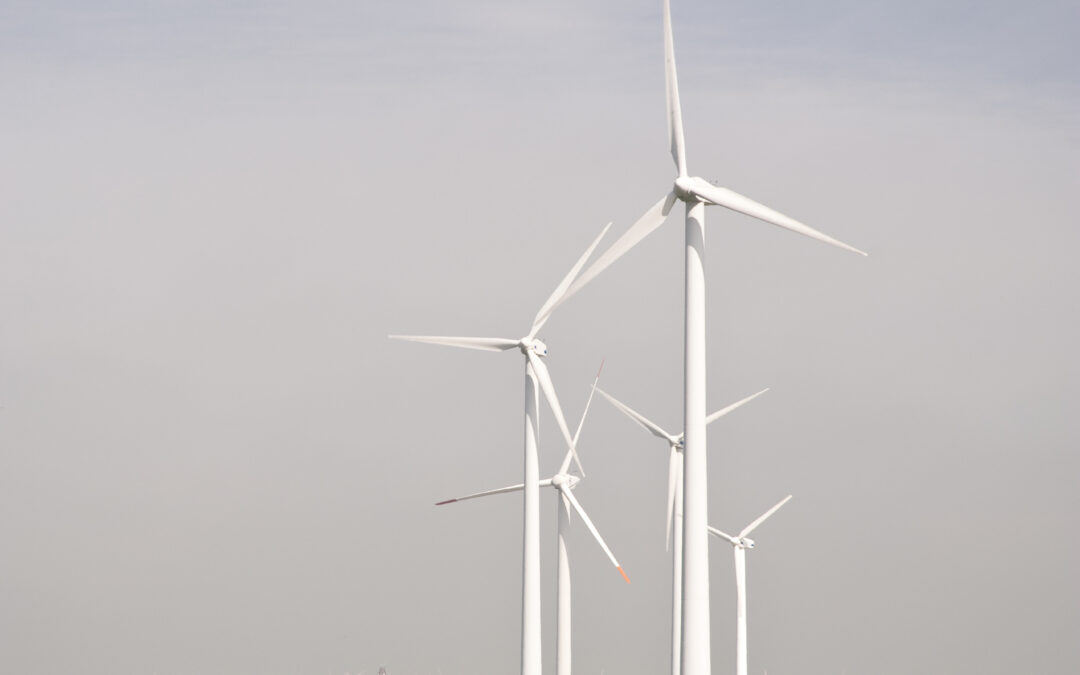
In 2025, renewable energy is a cornerstone of self-sufficient living. Solar panels and wind turbines are becoming more accessible and affordable for homesteaders. Investing in these technologies can drastically reduce reliance on grid power, providing dependable energy independence.
Consider energy storage options like batteries to maximize efficiency and ensure continuous power supply. Integrating smart energy systems can also help monitor and optimize your energy use, making your homestead more resilient and aligned with the principles of homesteading and self-reliance.
Soil Enrichment and Water Conservation
Healthy soil is vital for growing nutrient-rich food and maintaining a productive homestead. Composting, cover cropping, and mulching are essential techniques that improve soil fertility naturally. These practices support sustainable farming and reduce the need for chemical inputs.
Water conservation strategies, such as rainwater harvesting and drip irrigation, are indispensable for homesteading and self-reliance. Efficient water use ensures that your homestead remains productive even during periods of drought, helping you become more self-sufficient in 2025.
Creating Food Security through Diversification
Diversifying your crops and livestock is key to building a resilient homestead. Grow a variety of vegetables, fruits, and herbs to prevent crop failure and enhance nutritional value. Raising different types of animals can also provide meat, dairy, and eggs, reducing dependence on external sources.
Explore traditional food preservation methods, like canning and fermenting, to store your harvests. This not only extends your food supply but also empowers you to be more self-reliant in the face of future uncertainties.
Essential Skills for Self-Reliance in Modern Homesteading
Gardening and Permaculture Techniques
Mastering gardening skills is fundamental to homesteading and self-reliance. Learning how to build raised beds, integrate companion planting, and create a permaculture design can dramatically improve crop yields. These techniques help you grow healthy produce with minimal inputs.
Staying adaptable, especially in 2025, means understanding seasonal planting and pest management naturally. Practical gardening skills enable you to produce your own food year-round and become less dependent on store-bought items.
Animal Husbandry Basics
Keeping livestock is an integral part of homesteading and self-reliance. Handling chickens for eggs, goats for milk, or bees for honey provides valuable resources directly from your land. Acquiring knowledge about their care and health is essential for sustainable practices.
Properly managing animals ensures productivity and reduces diseases. Learning biosecurity and humane practices will help you develop a balanced and ethical approach to animal husbandry in 2025 and beyond.
Preservation and Food Storage
Preserving food extends your harvests and builds resilience through self-reliance. Techniques like canning, drying, fermenting, and freezing are crucial skills for homesteaders. They allow you to enjoy seasonal abundance throughout the year.
Understanding food safety and proper preservation methods helps prevent spoilage and waste. Developing these skills makes your homestead more self-reliant and prepared for potential disruptions in supply chains.
Basic DIY and Repair Skills
If you want to thrive in homesteading and self-reliance, knowing how to mend fences, repair equipment, or build simple structures is invaluable. These skills save money and increase your independence from external service providers.

Practicing DIY projects enhances your problem-solving capabilities and boosts confidence. In 2025, these skills are more important than ever as we aim for lower environmental impact and increased self-sufficiency.
Innovative Technologies Supporting Homesteading and Self-Reliance
Smart Farming Equipment
In 2025, smart farming tools are revolutionizing homesteading and self-reliance. Automated watering systems, soil sensors, and drone monitoring make managing a sustainable homestead more efficient. These technologies help optimize resource use and increase productivity.
Investing in smart equipment allows you to collect real-time data, making informed decisions that improve crop health and reduce wastage. The integration of technology empowers even small-scale homesteaders to operate more effectively and sustainably.
Vertical Farming and Indoor Gardens
Vertical farming and indoor gardening are game-changers for homesteaders with limited space. Using hydroponics or aeroponics, you can grow fresh vegetables indoors all year round. These methods reduce land use and conserve water.
Combining technology with traditional gardening techniques increases your self-reliance. Being able to produce food indoors also ensures nutritional security regardless of outdoor climate conditions.
Renewable Water Technologies
Advanced water technologies like solar-powered pumps and filtration systems help ensure a clean water supply. Rainwater harvesting combined with smart filtration makes your homestead more water-independent and resilient.
These systems reduce your reliance on municipal supplies and safeguard you during droughts or infrastructure failures. Incorporating renewable water solutions aligns perfectly with the principles of homesteading and self-reliance for 2025 and beyond.
Energy Monitoring and Management Tools
Energy management technologies allow you to track consumption and optimize usage across your homestead. Smart meters and home energy dashboards provide insights that help cut unnecessary energy waste.
This proactive approach not only lowers utility bills but also enhances your self-reliance. Smart energy tools are essential for creating a truly sustainable and independent homestead in 2025.
Frequently Asked Questions about Homesteading and Self-Reliance
What are the best starting points for homesteading and self-reliance in 2025?
Begin with foundational skills like gardening, preserving food, and basic animal husbandry. Choosing the right location and designing your homestead around sustainable principles will set you up for success. Also, educate yourself about renewable energy options and water conservation methods—these are critical for long-term self-reliance.
How can I improve my skills for homesteading and self-reliance?
Attend workshops, join local homesteading groups, and access online courses for hands-on learning. Practical experience is invaluable—start small and gradually expand your skills in gardening, DIY repairs, and food preservation. Staying curious and proactive will help you adapt and grow in your self-reliance journey.
What are some sustainable tools and technologies to consider in 2025?
Focus on solar panels, rainwater harvesting systems, and smart gardening tools that promote efficiency. Additionally, compact composting systems and home battery storage are excellent investments. These tools not only increase your self-reliance but also reduce your environmental footprint.
Why is homesteading and self-reliance important for the future?
Homesteading and self-reliance foster resilience against economic and environmental uncertainties. They encourage sustainable living and reduce dependence on external systems, which can be unreliable during crises. In 2025, adopting these principles helps create a more secure and empowered lifestyle.
Conclusion
Embracing homesteading and self-reliance in 2025 is a powerful step toward creating a sustainable and resilient lifestyle. By honing essential skills and integrating innovative technologies, you can build a homestead that supports your independence and contributes positively to the environment. Remember, the journey to self-sufficiency is ongoing, but every effort brings you closer to a more secure and fulfilling future.
Find out more information about “homesteading and self-reliance”
Search for more resources and information: