The concept of self-sufficiency is gaining momentum, especially as more people seek to reduce their reliance on commercial systems. One of the most effective ways to cultivate this independence is through comprehensive homesteading course training. This specialized education equips individuals with essential skills, from gardening to animal husbandry, allowing them to thrive in a more sustainable lifestyle.
Imagine being able to grow your own food, preserve it for winter, and even generate your own energy. This is not just a dream but a reality that can be achieved through engaging in homesteading course training. Whether you are a complete beginner or someone looking to refine existing skills, these courses can provide valuable insights and hands-on experience.
In this article, we’ll explore the nuances of homesteading course training, including its benefits, key components, and tips for selecting the right course for you. Let’s delve into the essentials of this transformative educational experience.

Understanding Homesteading Course Training
Homesteading course training encompasses a wide range of topics designed to teach individuals how to live off the land and become more self-sufficient. These courses cater to various skill levels, from novice to expert, and can be found in both online and in-person formats.
What is Homesteading?
Homesteading is a lifestyle choice that emphasizes self-sufficiency, sustainability, and a deep connection to the land. It involves practices such as growing your own food, raising livestock, and learning essential skills like canning, preserving, and even basic construction. The aim of homesteading is to create a lifestyle that minimizes dependency on external systems.
Types of Homesteading Course Training
When exploring homesteading course training, individuals can choose from numerous types, including:
– **Online Courses**: Flexible and often self-paced, online courses allow learners to study from anywhere.
– **In-Person Workshops**: These hands-on experiences provide direct interaction with instructors and fellow students.
– **Comprehensive Programs**: Some institutions offer extensive programs covering multiple aspects of homesteading in depth.
Each type of training has its own merits, and the choice largely depends on personal learning preferences and goals.
Benefits of Homesteading Course Training
Engaging in homesteading course training offers numerous advantages that can transform not only your lifestyle but also your mindset. Here are some key benefits:
1. **Skill Development**: Acquire practical skills in gardening, animal care, and food preservation.
2. **Sustainability Practices**: Learn eco-friendly techniques that reduce your carbon footprint.
3. **Community Connection**: Join a network of like-minded individuals who share similar interests in self-sufficiency.
4. **Financial Savings**: Reduce grocery bills by growing your own food and learning to create household goods.
Additionally, the knowledge gained from these courses can be applied in everyday life, making self-sufficiency a rewarding and fulfilling pursuit.
Key Components of a Homesteading Course
Understanding what to expect in homesteading course training can help prospective students make informed decisions. Here are essential components typically covered:
Core Subjects
Most homesteading courses will cover the following core subjects:
– **Gardening Techniques**: Soil preparation, crop rotation, and pest management.
– **Animal Husbandry**: Basics of raising chickens, goats, or other livestock.
– **Food Preservation**: Methods such as canning, dehydrating, and fermentation.
– **Sustainable Practices**: Understanding permaculture principles and renewable energy sources.
Hands-On Experience
One of the standout features of effective homesteading course training is the emphasis on hands-on learning. This might include:
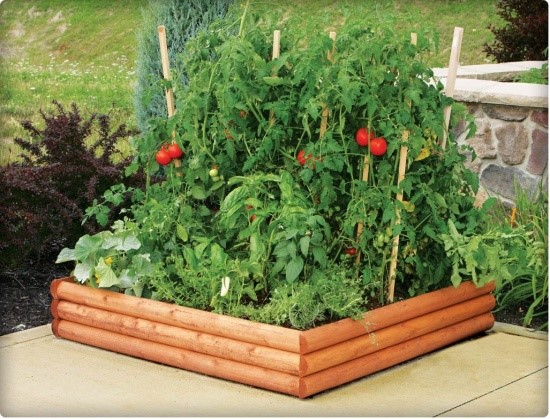
– Building raised garden beds
– Participating in community gardens
– Learning to butcher livestock
Experiential learning solidifies theoretical knowledge and enhances confidence in applying these skills at home.
Choosing the Right Homesteading Course Training
Selecting the right homesteading course training can be a daunting task given the variety of options available. Here are some tips to guide your decision:
1. **Identify Your Goals**: Determine what specific skills you want to learn or improve upon.
2. **Research Instructors**: Look for courses taught by experienced professionals with a solid background in homesteading.
3. **Check Reviews**: Explore testimonials from previous students to gauge the course’s effectiveness.
4. **Evaluate Course Format**: Decide if you prefer an online format for flexibility or in-person sessions for direct interaction.
By considering these factors, you can find a course that aligns with your goals and enhances your journey toward self-sufficiency.
References and Resources
These resources provide valuable information about homesteading course training. Check them out for additional insights:
Authoritative Sources on homesteading course training
-
Farming & Homesteading – The Craft School
millhollowworks.orgCourses in Homesteading, Farming, Foraging, Controlled Agriculture, Permaculture, and Gardening.
-
School of Traditional Skills: Homesteading | Homestead School
schooloftraditionalskills.comA source for Homesteading education, offering training from top instructors.
-
Homesteading Family classes
classes.homesteadingfamily.comLearn the basics of permaculture and how it can enhance your homestead, garden, and home.
-
Homesteading Skills Courses
nodighome.comCourses include an introduction to preserving skills such as canning, dehydrating, pickling, and fermenting.
-
Homesteading Classes & Workshops
www.goodpickinfarm.comLearn homesteading through hands-on experiences with knowledgeable instructors.
-
Pioneering Skills for Everyone: Modern Homesteading
www.thegreatcoursesplus.comLearn everything needed for modern homesteading from experienced instructors.
-
In-Person & Online Homesteading Classes for Self-…
www.wildabundance.netClasses designed to teach basic building skills and tool usage for homesteaders.
Frequently Asked Questions
What is included in a typical homesteading course training?
A typical homesteading course training includes core subjects like gardening, animal husbandry, and food preservation, along with hands-on experiences.
How do I choose the right homesteading course training for my needs?
To select the right homesteading course training, consider your specific goals, research instructors, read reviews, and evaluate the course format.
Are online homesteading courses as effective as in-person training?
Online courses can be just as effective as in-person training, especially for theoretical knowledge. However, hands-on skills are often better learned in person.
What are the costs associated with homesteading course training?
The costs of homesteading course training can vary widely based on the provider, course length, and content depth, ranging from free online resources to several hundred dollars for comprehensive programs.
Can I find homesteading course training for specific skills like canning or livestock care?
Yes, many courses focus on specific skills such as canning, livestock care, or permaculture, allowing you to tailor your learning to your interests.
Conclusion
In conclusion, engaging in homesteading course training is a transformative step toward self-sufficiency and sustainability. By acquiring essential skills and knowledge, you not only enhance your lifestyle but also contribute positively to the environment.
As you consider embarking on this journey, remember that the right training can equip you with the tools necessary to thrive independently. Take the first step today and explore the myriad of options available to you in the world of homesteading course training.
Find out more information about “homesteading course training”
Search for more resources and information:
Related Content
- The Ultimate Guide to farmhouse kitchen setup 2025: 10 Effective Tips for a Stunning Space
- The Benefits of Organic Gardening for You and the Environment
- The Best Food Preservation Methods for Homesteaders
- Tips for Successful Backyard Rabbits
- Pesticide-Free Paradise: Organic Gardening Tips for a Healthier Garden