- Introduction
- Planning Your Homestead
- Setting Up Your Homesteading Space
- Maintaining and Growing Your Homestead
- Frequently Asked Questions (FAQ)
- Conclusion
Embarking on a homesteading journey can be both exciting and rewarding, especially in 2025 when sustainability and self-sufficiency are more important than ever. This homesteading for beginners guide aims to equip newcomers with the essential knowledge to start their own rural or semi-rural retreat confidently. Whether you’re dreaming of growing your own food or raising animals, understanding the basics is key to success.
Many beginners feel overwhelmed by the scope of homesteading, but breaking it down into manageable steps makes the process enjoyable and achievable. In this guide, I’ll share practical tips, personal experiences, and expert advice to help you navigate your homesteading journey smoothly. Let’s explore how you can turn your land into a thriving haven in 2025!

Planning Your Homestead with the Homesteading for Beginners Guide
Assessing Your Land and Resources
Before diving into homesteading, it’s crucial to evaluate your land’s potential. Consider soil quality, sunlight exposure, water availability, and climate conditions that will affect your crops and animals. Conducting soil tests and mapping your land will help you identify the best use of your space.
Additionally, take stock of your personal resources, including budget, tools, and skills. Knowing your limitations allows you to start small and expand gradually, increasing your chances of long-term success in your homesteading for beginners guide.
Setting Realistic Goals
Establishing clear, achievable goals keeps your homesteading project focused and motivating. Decide what you want to produce—be it vegetables, eggs, or honey—and set timelines to reach these milestones. Remember, progress can be slow at first, so patience is vital.
Align your goals with your lifestyle and available time. For example, if you have a full-time job, focus on low-maintenance crops and animals initially. This strategic planning section is vital in your homesteading for beginners guide.
Researching Local Regulations and Permits
Understanding local laws and zoning regulations is essential before establishing structures or raising animals. Some areas have restrictions on livestock or require permits for certain buildings. Doing thorough research prevents legal issues and saves you time and money.
Contact local authorities and community groups to gather all necessary information. Complying with regulations is a fundamental aspect of your homesteading for beginners guide, ensuring a smooth and lawful operation.
Budgeting and Planning Your Investment
Effective budgeting helps manage costs and prioritize investments in your homestead. Create a detailed plan covering equipment, seeds, animals, and ongoing expenses. Starting modestly allows you to learn and adapt without overspending.
Look for affordable options, such as secondhand tools or local seed exchanges, to stretch your budget further. Having a comprehensive financial plan is critical in your homesteading for beginners guide, setting a firm foundation for sustainable growth.
Setting Up Your Homesteading Space with the Homesteading for Beginners Guide
Choosing the Right Location and Layout
Selecting the best spot on your land for gardens, animals, and workshops impacts your success. Consider access to water, wind protection, and sunlight, which are vital for plants and livestock wellbeing. A well-planned layout minimizes effort and maximizes productivity.
Think about convenience, layout flow, and future expansion when designing your homestead. Proper planning at this stage ensures a sustainable and efficient homesteading experience, as emphasized in your homesteading for beginners guide.
Building Basic Structures
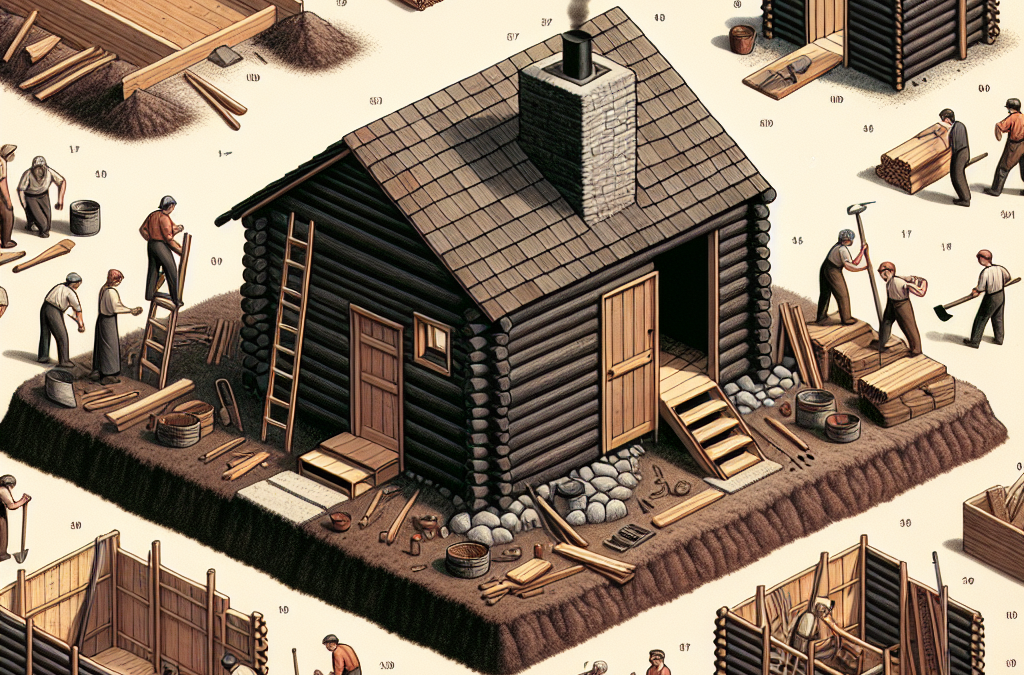
Start with essential structures such as a garden shed, chicken coop, or compost bin. Using DIY tutorials and natural materials can reduce costs and add personal touches. Ensure all buildings are safe, functional, and suited to your climate.
Over time, expanding and upgrading structures as your skills grow is recommended. Well-constructed basic buildings set the stage for a successful homesteading adventure guided by your homesteading for beginners guide.
Developing Garden Beds and Growing Spaces
Creating raised beds, container gardens, or permaculture zones can optimize space and soil quality. Focus on crop diversity and companion planting to enhance yields and reduce pests naturally. Proper planning here leads to a resilient, abundant garden.
Utilize organic methods and organic amendments to keep the soil healthy over the years. This foundational gardening knowledge is a key element of your homesteading for beginners guide, ensuring consistent harvests.
Establishing Water and Waste Management Systems
Setting up rainwater harvesting, filtration, and irrigation systems conserves resources and supports plant growth. Proper water management is vital, especially during droughts or dry seasons. Installing tanks or portable systems can serve as reliable sources.
Similarly, responsible waste management through composting and recycling reduces environmental impact and enriches your soil. Mastering these systems is essential for a sustainable homestead, as highlighted in your homesteading for beginners guide.
Maintaining and Growing Your Homestead with the Homesteading for Beginners Guide
Seasonal Care and Crop Rotation
Understanding seasonal cycles ensures you’re planting at optimal times and protecting your plants from pests and weather extremes. Planning for crop rotation reduces soil depletion and pest buildup, promoting healthy growth year-round.
Keep records of planting dates and outcomes to refine your practices over time. Following seasonal guidelines is a core component of your homesteading for beginners guide, leading to more productive harvests.
Managing Livestock Responsibly
Raising animals like chickens, goats, or rabbits requires dedicated space, proper nutrition, and health care. Regular veterinary checkups and clean living conditions are vital for their wellbeing.
Implementing humane practices and understanding their needs builds trust and a stable food source. This responsible management is essential in your homesteading for beginners guide to sustain a thriving homestead.
Pest and Disease Control
Natural pest control methods, such as attracting beneficial insects and companion planting, reduce the need for chemicals. Regular inspection helps catch problems early before they escalate.
Healthy soil and plant diversity strengthen resilience against pests and diseases. Mastering ecological pest management is a key aspect of homesteading for beginners, ensuring longevity and health of your crops and animals.
Scaling Up and Diversifying
As you gain confidence and experience, consider adding new crops or animals to diversify your homestead. This reduces risks and increases your self-sufficiency even further.
Invest in additional infrastructure, tools, or skills through workshops and online courses. Strategic expansion aligns with your homesteading for beginners guide, helping you create a more resilient and productive homestead.
Frequently Asked Questions (FAQ)
What is the best way to start homesteading as a beginner in 2025?
Start small by focusing on easy-to-maintain crops and a few animals. Conduct thorough research on your land and local regulations, and create a realistic plan with clear goals. Gradually expand as you gain experience and confidence.
How much land do I need for a successful homestead?
The ideal land size varies depending on your goals, but many successful homesteaders start with at least 1-2 acres. This provides enough space for kitchen gardens, small livestock, and potential future expansion. Always consider your resources and long-term vision.
Are there eco-friendly methods suitable for homesteading beginners?
Absolutely! Organic gardening, composting, rainwater harvesting, and natural pest control are all eco-friendly methods that suit beginners. Emphasizing sustainability reduces costs and environmental impact while creating a self-sufficient homestead.
What are common mistakes beginners should avoid in homesteading for beginners guide?
Common mistakes include overextending resources, neglecting soil health, and ignoring local regulations. Starting too large without proper planning can lead to burnout. It’s best to start small, learn continuously, and adapt strategies over time.
Conclusion
Embarking on your homesteading journey with this homesteading for beginners guide in 2025 provides a solid foundation for sustainable living and self-sufficiency. Remember, patience and continuous learning are your best tools as you transform your land into a thriving homestead. Stay adaptable, enjoy the process, and celebrate each success along the way!
Find out more information about “homesteading for beginners guide”
Search for more resources and information:
Related Content
- Unlocking Green Dreams: A Practical Guide to Balcony Homestead Gardening for Urban Spaces
- The Ultimate Guide to Homesteading for Beginners in 2025: 10 Powerful Tips
- 10 Effective Backyard Homesteading Guide Tips for a Successful 2025 Venture
- What are Some Homesteading Basics?
- How to Start Your Own Home Farm: Tips and Tricks