- 1. Building a Sustainable Food System
- 2. Raising Livestock Responsibly
- 3. Growing a Year-Round Garden
- 4. Water Conservation and Management
- 5. Utilizing Renewable Energy Sources
- 6. Preserving Food Without Power
- 7. DIY Homestead Projects and Repairs
- 8. Creating a Self-Sufficient Economy
- 9. Developing Community Networks
- 10. Planning for Long-Term Resilience

1. Building a Sustainable Food System
Designing a Food Forest
When it comes to homesteading for self-sufficiency, establishing a food forest is one of the most effective strategies. A food forest mimics natural ecosystems, incorporating fruit trees, shrubs, perennial vegetables, and ground cover plants. By designing a resilient landscape, you can produce a variety of foods with minimal input and maintenance. In 2025, permaculture principles are gaining popularity among homesteaders aiming for long-term sustainability.
Real-world examples include integrating berry bushes near apple trees or planting nitrogen-fixing plants like clover to naturally enrich the soil. This approach reduces the need for synthetic fertilizers and pesticides, making your homestead more eco-friendly. The key is diversityâplanting a mix of crops ensures food availability throughout the year and offers natural pest control.
Actionable tips: Start small by planting a few fruit trees and perennial vegetables in early spring, then expand as you learn what works best in your climate. Use companion planting techniques to increase yields and deter pests naturally.
Growing Efficiently with Crop Rotation
Crop rotation is essential for maintaining healthy soil and preventing pests and diseases. It involves changing the type of crops grown in a particular area each season to optimize soil nutrients. For example, rotating nitrogen-fixing legumes with heavy-feeders like tomatoes helps reduce external inputs and enhances soil health.
In 2025, technological advancements enable homesteaders to monitor soil health via affordable testing kits, optimizing crop rotation plans. This data-driven approach ensures your homestead remains productive and self-sufficient year after year. Incorporating cover crops and composting organic waste can further improve soil fertility naturally.
Pro tip: Keep a detailed log of crop performance to inform future planting decisions, and experiment with crop varieties suited for your local climate for better yields.
2. Raising Livestock Responsibly
Choosing the Right Animals
Selecting livestock that aligns with your homestead’s size, climate, and your self-sufficiency goals is crucial. Common choices include chickens for eggs, goats for milk, and bees for honey. In 2025, urban and small-scale homesteaders are increasingly adopting miniature animals like dwarf goats and heritage breed chickens, which require less space and resources.
Consider the local regulations and your capacity to provide proper care. Raising animals responsibly not only ensures their well-being but also maximizes productivity. For example, pasture-raised poultry can reduce feed costs and improve egg quality, supporting a sustainable homesteading lifestyle.
Actionable tips: Start with a small flock or a couple of goats, learn their needs, and gradually expand. Incorporate rotational grazing to prevent overgrazing and maintain healthy pastures.
Natural Pest and Disease Control
Healthy livestock can help control pests naturallyâchickens eat insects, and ducks consume slugs. Keeping animals healthy through proper nutrition and hygiene is vital for preventing disease outbreaks. In 2025, holistic methods like herbal supplements and probiotics are becoming mainstream among self-sufficient homesteaders.
Developing a proactive health plan, including regular vet checks and vaccinations, minimizes chemical use and promotes ethical animal husbandry. Using natural remedies, like garlic or herbal infusions, can boost immunity and reduce reliance on antibiotics.
Tip: Observe your animals daily for early signs of illness and maintain clean, stress-free environments to promote longevity and productivity.
3. Growing a Year-Round Garden
Extending Growing Seasons with Cold Frames and Greenhouses
To achieve homesteading for self-sufficiency in 2025, extending your garden season is essential. Cold frames and greenhouses help protect plants from frost, allowing you to grow vegetables and herbs year-round. Incorporating passive solar design principles can maximize energy efficiency.
Real examples include using a simple cold frame for early lettuce planting or constructing a small greenhouse for winter tomatoes. These structures protect sensitive plants from harsh weather and provide microclimates tailored to your cropsâ needs. Over time, mastering season extension techniques can significantly boost food security.
Action tip: Start with DIY cold frames made from recycled materials, and gradually upgrade to more sophisticated greenhouses as your skills and budget allow.
Selecting Cold-Hardy Crops
Choosing crops that thrive in your local climate and season is key to consistent harvests. In 2025, climate-resilient varietiesâlike kale, carrots, and potatoesâare popular among homesteaders aiming for self-sufficiency. Use local data to plan your planting schedule accordingly.
Planting succession crops ensures continuous food supply across seasons. For example, planting fast-growing radishes in early spring or late summer crops like spinach in shade covers can maximize land use.
Pro tip: Keep a planting calendar to track crop rotations and harvest times, ensuring a steady supply of fresh produce all year long.
4. Water Conservation and Management
Rainwater Harvesting Systems
Conserving water is vital for homesteading for self-sufficiency. Installing rainwater harvesting systems, such as barrels or larger cisterns, allows you to collect and store rainwater for irrigation and household needs. In 2025, innovative filtration systems make this process more efficient and accessible for small-scale homesteaders.
This practice reduces reliance on municipal water and lowers your utility bills. It also provides a sustainable buffer during droughts or dry seasons, which are projected to become more frequent due to climate change.
Actionable tip: Position collection barrels beneath downspouts and use slow-drip irrigation or soaker hoses to efficiently water your gardens.
Efficient Water Usage in the Garden
Applying mulching techniques helps retain soil moisture, decrease evaporation, and suppress weeds. Drip irrigation systems deliver water directly to plant roots, conserving resources and preventing overwatering. Water-wise gardening practices are essential for maintaining a self-sufficient homestead in 2025.
Monitoring soil moisture levels with simple probes or visual cues ensures you water only when necessary. This approach conserves energy and reduces water bills while supporting healthy plant growth.
Pro tip: Use greywater recycling systems where permitted, repurposing household waste to irrigate non-edible plants.
5. Utilizing Renewable Energy Sources
solar Power for Homesteads
In 2025, integrating solar panels is a primary step toward energy independence. Solar power provides reliable, clean energy for lighting, heating, and small appliances, reducing reliance on the grid. Homesteaders can offset their energy needs significantly, making their lifestyle more sustainable.
Start with a small grid-tied system and expand as your energy demands grow. Installing battery storage ensures you have power during cloudy days or at night, further enhancing independence.
External links suggestion: Explore leading solar providers and incentives available in your state to maximize savings.
Wind and Micro-Hydro Options
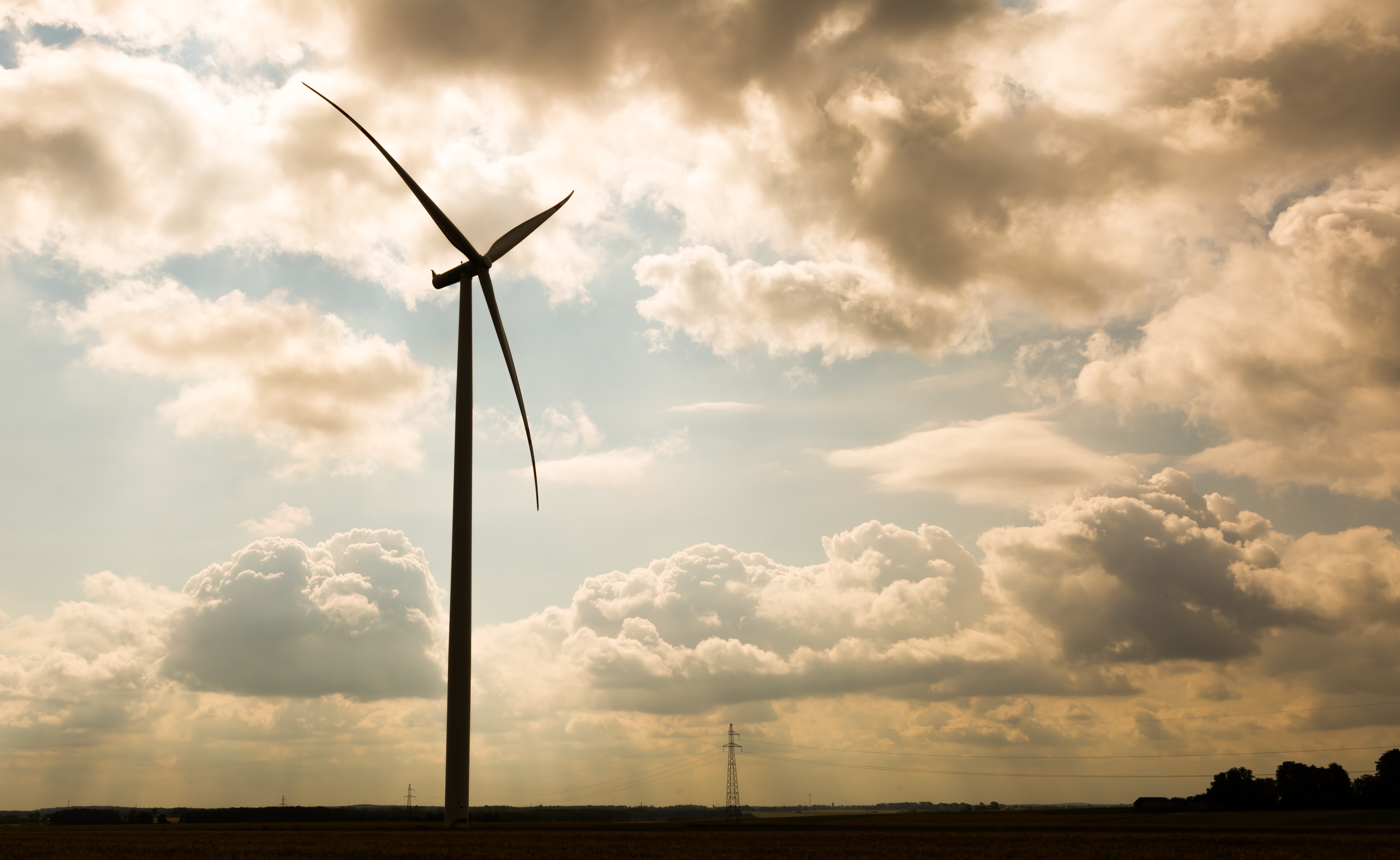
If your property is suitable, wind turbines or micro-hydro systems can supplement solar power, especially in windy or high-rainfall areas. These renewable sources can create a resilient energy system that supports self-sufficiency in 2025.
Community-based renewable initiatives also provide opportunities for shared investments, reducing costs while increasing the sustainability of your homestead.
Action tip: Conduct a site assessment to determine the viability of wind or water power before investing in infrastructure.
6. Preserving Food Without Power
Natural and Traditional Methods
Preserving your harvest is a cornerstone of homesteading for self-sufficiency. In 2025, methods like fermenting, drying, and canning remain essential, especially when power is limited or unreliable. These techniques allow you to store food safely for months.
Fermentation, such as making sauerkraut or yogurt, not only preserves but also adds probiotic health benefits. Drying herbs, fruits, or vegetables is simple and efficient, requiring only low-tech equipment like dehydrators or solar dryers.
Pro tip: Keep detailed records of preserved foods to plan for seasonal abundance and reduce waste.
Food Storage Solutions
Creating a root cellar or using cool, dark spaces helps extend the shelf life of homegrown produce. In 2025, innovations in natural insulation and sustainable storage containers make long-term storage more accessible. Proper sealing and labeling ensure your preserved foods stay fresh.

Invest in food-grade containers and use oxygen absorbers or vacuum sealing to prevent spoilage. Planning your storage space around your harvest calendar ensures you maximize your self-sufficiency efforts.
Internal link opportunity: Link to detailed DIY root cellar construction guides.
7. DIY Homestead Projects and Repairs
Building Your Own Structures
Self-sufficiency in 2025 often hinges on your ability to build and repair structures like greenhouses, fences, and animal shelters. Utilizing recycled materials and local resources minimizes costs and environmental impact. Learning basic carpentry, plumbing, and electrical skills is invaluable for maintaining your homestead.
For example, constructing a composting toilet or a rainwater catchment system can be a rewarding project that enhances independence. Many online resources and community workshops offer hands-on guidance.
Action tip: Start with simple projects and gradually take on more complex builds as your confidence grows.
Tool Maintenance and Upcycling
Keeping your tools sharp and functional reduces project costs and extends their lifespan. Upcycling waste materials into useful itemsâlike converting pallets into garden bedsâsupports a circular, sustainable approach. These DIY skills are especially valuable in 2025’s era of resource conservation.
Developing a routine maintenance schedule and experimenting with repurposing can save money and foster creativity in your homesteading journey. Keep a toolkit handy for quick fixes and small repairs.
Internal link opportunity: Link to beginner DIY homesteading projects and tool maintenance tutorials.
8. Creating a Self-Sufficient Economy
Bartering and Local Trade
Building a self-sufficient economy means reducing reliance on cash by engaging in barter and local trade. Trading excess produce, livestock products, or skills with neighbors creates a resilient community network.
In 2025, digital platforms and local barter markets make exchanging goods and services easier than ever. This not only supports self-sufficiency but also fosters community bonds.
Pro tip: Develop a barter plan and consider items or skills you can offer to strengthen local relations.
Producing Your Own Goods
From handmade soaps to preserved foods, producing goods on your homestead can reduce expenses and generate income. Small-scale craft and food businesses are booming in 2025 among homesteaders seeking financial independence.
Investing in quality tools and learning new skills can turn your homestead into a micro-business. Market your products through farmers markets or online platforms to reach a broader audience.
External link opportunity: Include links to small-scale homestead business guides or local craft markets.
9. Developing Community Networks
Sharing Resources and Skills
Community is vital for homesteading for self-sufficiency. Sharing tools, seeds, or labor reduces costs and strengthens bonds. Organize skill-sharing workshops or join local cooperatives for mutual support.
In 2025, online groups and local meetups facilitate the exchange of knowledge and resources, making self-sufficiency more achievable for all. Collaborating on collective projects like seed swaps or communal gardens amplifies impact.
Pro tip: Build trustworthy relationships and maintain open communication to maximize community support.
Forming Cooperative Ventures
Pooling resources for bulk purchases or shared infrastructureâlike community greenhousesâcan greatly enhance your homesteading efforts. Co-ops also provide a platform for advocacy and education on sustainable practices.
Research successful models in your region and adapt them to your needs. Collective efforts often lead to better bargaining power and resource efficiency.
Internal link opportunity: Link to guides on starting or joining local homestead cooperatives.
10. Planning for Long-Term Resilience
Developing a Multi-Generational Plan
Ensuring your homestead can sustain future generations requires thoughtful planning. Focus on soil regeneration, water management, and preserving heirloom seeds. In 2025, strategies like seed saving and heirloom crop cultivation support genetic diversity and food security.
Consider creating contingency plans for pest outbreaks, natural disasters, or economic changes. Building redundancy into your systems ensures your self-sufficiency remains intact under various circumstances.
Action tip: Document your processes and create a practical roadmap for future expansion and safety nets.
Adapting to Climate Change
Climate resilience is critical in 2025. Implementing water-saving techniques, selecting climate-adapted crops, and diversifying your homestead mitigate risks posed by unpredictable weather patterns. Staying informed about local climate trends helps tailor your strategies effectively.
Learning from other resilient homesteaders and employing regenerative agriculture techniques will make your land more adaptable, secure, and productive over time.
External link suggestion: Connect with climate adaptation resources for small-scale farmers and homesteaders.
Conclusion
In summary, mastering these ten powerful strategies is essential for anyone committed to homesteading for self-sufficiency in 2025. From building sustainable food systems to developing resilient community networks, each element contributes to a self-reliant lifestyle. By incorporating these practices, you create a homestead capable of providing for your needs sustainably and ethically. Remember, taking deliberate action today sets the foundation for a prosperous, independent future. As we’ve explored, the key to success lies in planning, adaptability, and community engagement. Embrace these strategies and make 2025 your year of self-sufficiency!
Frequently Asked Questions
1. What is homesteading for self-sufficiency?
Homesteading for self-sufficiency involves living sustainably off your land by growing food, raising animals, conserving resources, and reducing reliance on external systems. It’s about creating a resilient, independent lifestyle that meets most of your needs naturally.
2. How can I start homesteading for self-sufficiency in 2025?
Begin by assessing your land and resources, then gradually implement strategies like gardening, livestock rearing, and renewable energy use. Educate yourself through books, courses, and community networks to build your skills.
3. What are the most important skills for homesteading for self-sufficiency?
Key skills include gardening, food preservation, animal husbandry, basic construction and repairs, renewable energy management, and natural resource conservation. Building these skills enhances your independence and confidence.
4. Why is community important in homesteading for self-sufficiency?
Community networks provide support, shared resources, knowledge exchange, and mutual aid, increasing your chances of success and resilience during challenging times.
5. Can urban settings support homesteading for self-sufficiency?
Yes, with creative space utilization like rooftop gardens, vertical farming, and small livestock, urban homesteading is possible. Focus on maximizing limited space and resources for success.
Embarking on homesteading for self-sufficiency in 2025 is a rewarding journey that empowers you to live sustainably and independently. By integrating these ten powerful strategies, you set yourself on a path toward resilience and self-reliance that can last for generations.