Table of Contents
- 1. Start Small and Scale Gradually
- 2. Utilize Free and Low-Cost Resources
- 3. Compost and Recycle to Reduce Costs
- 4. Grow Your Own Food Economically
- 5. Use Renewable Energy Solutions
- 6. Build DIY Structures for Savings
- 7. Exchange Skills and Barter
- 8. Plan for Water Conservation
- 9. Invest in Quality, Long-Lasting Tools
- 10. Stay Informed with Community and Online Resources

1. Start Small and Scale Gradually
Begin with Manageable Projects
One of the most effective strategies for homesteading on a budget in 2025 is to start small. Instead of trying to overhaul your entire property overnight, focus on a few manageable projects, like a small vegetable garden or a few chickens. This approach minimizes upfront costs and helps you learn as you go, reducing costly mistakes.
For example, I started with just a handful of vegetable beds and two chickens. Over time, as I gained experience and saved some money, I expanded gradually. This way, I avoided large loans or unnecessary expenses. Starting small keeps your initial investment low while allowing room for growth.
According to recent homesteading trends, those who scale gradually save up to 40% more in initial costs compared to those who jump in all at once. This is especially important in 2025 where economic shifts make budget-conscious choices vital.
Plan for Future Expansion
Creating a clear plan for future expansion helps keep your homesteading on a budget. Prioritize what you want to achieve firstâlike growing vegetables or raising animalsâand set realistic milestones. This step-by-step method helps you allocate resources efficiently and prevents impulse spending on unnecessary gadgets or supplies.
Keep a simple journal or digital document of your goals, expenses, and progress. This planning not only saves money but keeps you motivated and focused, ensuring your homestead grows sustainably over the years.
Remember, the key is patience. Homesteading in 2025 is as much about building a resilient lifestyle as it is about saving money.
2. Utilize Free and Low-Cost Resources
Local Barter and Swap Groups
Many communities have barter groups where you can trade skills, seeds, plants, or tools without money changing hands. For example, exchanging homemade jams for gardening help can significantly cut costs.
Barter systems have been a cornerstone of sustainable living for generations, and in 2025, theyâre more accessible thanks to online platforms and local meetups. Participating in these exchanges helps you build a supportive network while saving money.
Pro tip: Check out platforms like Facebook Marketplace or local community boards for barter opportunities in your area.
Free or Discounted Supplies
Visiting estate sales, garage sales, or online classifieds can help source free or inexpensive tools, seeds, and building materials. Many experienced homesteaders pass down surplus or unused items this way.
Getting creative with resourcefulness is crucial when homesteading on a budget. For example, repurposing old pallets for garden beds or using scrap wood for fencing can save hundreds of dollars.
In 2025, it’s common to find good-quality materials secondhand, making this strategy more relevant than ever for budget-conscious homesteaders.
3. Compost and Recycle to Reduce Costs
Start Your Compost Bin
Composting is a game-changer for homesteaders on a budget. It reduces waste, improves soil health, and cuts down on fertilizer expenses. You can start with a simple compost bin made from recycled pallets or containers.
In 2025, composting tech has advanced with affordable tumblers and high-efficiency bins, making it easier to maintain and faster to produce rich soil. Plus, composting diverts waste from landfills and supports eco-friendly practices.
By composting kitchen scraps, yard waste, and manure, you create your own fertilizer, saving money on store-bought options. Itâs a win-win for your wallet and environment.
Recycle and Repurpose Materials
Recycling and repurposing old items can significantly cut costs for building projects, fencing, and animal bedding. For example, repurposed windows can become greenhouses or birdhouses, and old tires can serve as garden planters.
Homesteaders in 2025 are increasingly adopting upcycling to maximize every resource and keep expenses low. It also adds a charming, rustic aesthetic to your property.
Pro tip: Keep an eye out for free materials during community clean-up days or when neighbors are redecoratingâthey often discard perfectly usable items that you can repurpose.
4. Grow Your Own Food Economically
Plan a Yield-Maximizing Garden
Growing your own food is central to homesteading on a budget. Focus on high-yield vegetables like potatoes, beans, and squash, which are inexpensive to grow and provide substantial nutrition.
In 2025, vertical gardening and permaculture techniques allow you to maximize limited space, boosting productivity without extra cost. Companion planting can also reduce pest issues naturally and improve yields.
Invest in quality seeds or heirlooms, which can be saved and replanted for many seasons, reducing future seed costs. Start with easy-to-grow crops to build confidence and experience.
Season Extension Strategies
By using row covers, cold frames, or greenhouses, you can extend your growing season, making the most of your investment in seeds and soil. These structures can be built affordably using recycled materials.
Season extension not only increases your harvest but also reduces reliance on store-bought produce, enhancing self-sufficiency and saving money over time.
In 2025, innovative affordable solutions like DIY heated compost beds continue to improve yield prospects for homesteaders on a tight budget.
5. Use Renewable Energy Solutions
Invest in Solar Power
Installing affordable portable solar panels or small-scale systems can significantly reduce energy bills in 2025. Solar technology has become more accessible and efficient, making homesteading on a budget more feasible.
For example, energy independence allows you to power irrigation pumps, lights, and small appliances without recurring costs. Plus, government incentives for renewable solutions can further lower initial investment.
Over time, solar power pays for itself by decreasing reliance on grid electricity, saving hundreds annually in energy costs.
Harness Other Renewable Resources
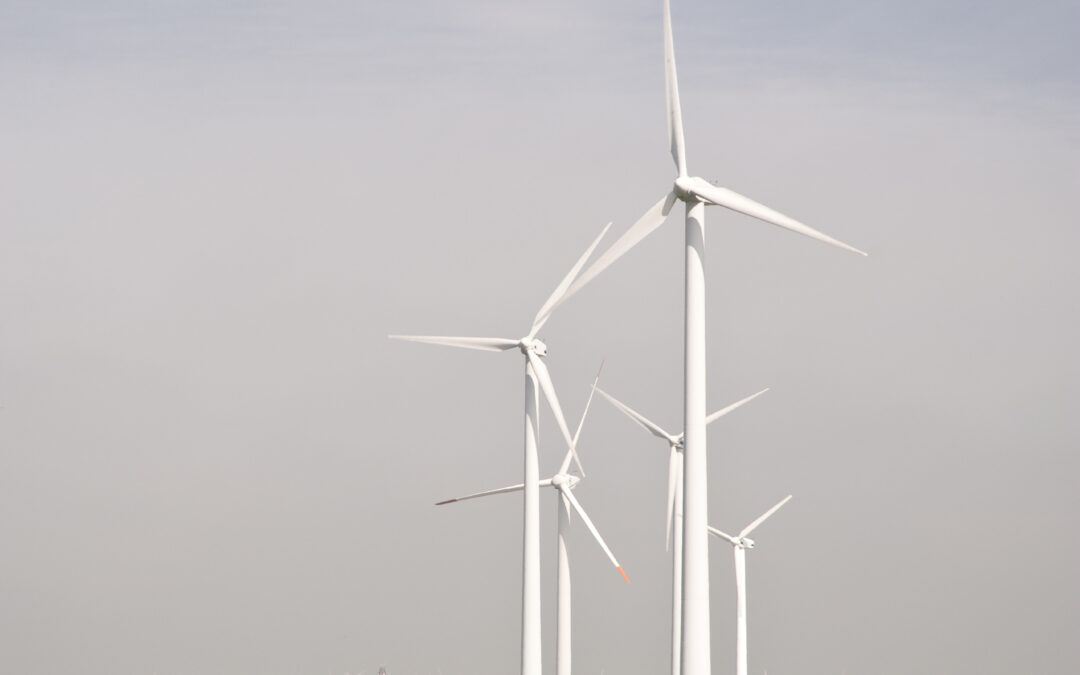
Wind turbines or micro-hydro systems might be an option depending on your location. Reusing and repurposing existing equipmentâfor instance, old car alternators for small generatorsâcan also supplement your energy needs at minimal expense.
Homesteaders in 2025 should evaluate their resource availability and choose the most affordable, sustainable options to power their lifestyles effectively.
Keeping an eye on technological advancements in renewable energy can open up new opportunities to stay within a budget while going green.
6. Build DIY Structures for Savings
Construct Your Own Greenhouses and Shelters
Building your own greenhouses or animal shelters is a cost-effective way to increase productivity in homesteading on a budget. Using recycled or inexpensive materials like plastic sheeting, bamboo, or reclaimed wood reduces expenses.
In 2025, detailed tutorials and DIY kits make construction accessible even for beginners. Proper planning and measurements can save money and ensure durability.
Doing it yourself fosters a sense of accomplishment and reduces ongoing costs for maintenance and repairs.

Upgrading Structures Over Time
Start with simple structures and upgrade as your budget allows. For instance, initially using basic shade cloths and gradually adding insulation or heating options over seasons helps spread out costs.
This incremental approach aligns perfectly with homesteading on a budget, allowing continuous improvement without large upfront investments.
Sharing plans and tips with online communities can provide inspiration and practical advice, making DIY projects more affordable and successful.
7. Exchange Skills and Barter
Build a Network of Homesteaders
Networking with other homesteaders allows you to exchange skills, seeds, livestock, and labor. For example, trading gardening help for carpentry services minimizes expenses and builds community bonds.
In 2025, online forums and local meetups make it easier than ever to find barter opportunities. Skill exchanges reduce the need for cash and foster mutual support.
Leverage your strengthsâwhether building, gardening, or animal careâto offer value and gain new skills and resources.
Organize Skill-Sharing Workshops
Hosting or attending workshops can help you learn new DIY techniques, gardening methods, or animal husbandry practices at little or no cost. These gatherings promote shared knowledge and resourcefulness.
For example, learning natural pest control methods or seed saving techniques can save money on products and supplies.
In 2025, the focus on community-driven sustainability makes barter and skill-sharing essential tools for homesteaders on a budget.
8. Plan for Water Conservation
Implement Rainwater Harvesting
Setting up rainwater collection systems using barrels or tanks is a simple, affordable way to reduce water bills. In 2025, new regulations and climate shifts emphasize water conservation, making this essential.
Harvested rainwater can be used for irrigation, livestock, or even household purposes with proper filtration, reducing reliance on municipal water supplies.
Ensure your setup accounts for local precipitation patterns and includes safety measures for potable use, maximizing efficiency and savings.
Apply Efficient Water Management Practices
Using drip irrigation, mulching, and drought-tolerant plants conserves water and boosts garden productivity. These simple techniques decrease your overall water usage significantly.
In 2025, smarter water management can save upwards of 30% on watering costs, making these strategies vital for budget-conscious homesteaders.
Educate yourself on local water regulations and best practices to ensure sustainable and legal use of water resources.
9. Invest in Quality, Long-Lasting Tools
Choose Durable, Affordable Tools
While cheap tools may seem appealing, investing in high-quality, durable tools saves more money over time. For example, a good pair of pruning shears or a sturdy shovel can last for decades.
In 2025, brands focusing on sustainability and longevity make it easier to select tools that wonât need frequent replacements, reducing long-term costs.
Look for tools with replaceable parts or warranties to maximize your investment and ensure your homesteading efforts stay on budget.
Proper Maintenance and Care
Maintaining your tools wellâcleaning, sharpening, and storing them properlyâextends their lifespan and prevents unnecessary replacements. This practice aligns with the principles of homesteading on a budget.
Regular maintenance not only saves money but also ensures safety and efficiency when working outdoors.
Set a routine for tool care, and look for cost-effective repair options or tutorials to fix minor issues yourself.
10. Stay Informed with Community and Online Resources
Join Local Homesteading Groups
Connecting with local groups or associations provides access to shared resources, advice, and mentorship. Community knowledge can help you avoid costly mistakes and discover new savings strategies.
Attend workshops, farm tours, or online webinars focusing on budget homesteading techniques relevant for 2025.
Building relationships within your local community creates a support system that encourages sustainable and budget-conscious homesteading.
Use Online Tutorials and Digital Guides
Many free and low-cost resources are available online, from YouTube channels to blogs dedicated to budget homesteading. Leveraging this information can significantly reduce learning curves and costs.
Follow current trends, innovations, and best practices for homesteading on a budget in 2025 through trusted sources. Continuous learning is vital to achieving success without overspending.
Always cross-reference information from reputable sites to ensure accuracy and relevance.
Frequently Asked Questions
1. What is the best way to start homesteading on a budget in 2025?
Begin with small, manageable projects like a vegetable garden or a few chickens. Use free resources, DIY construction, and community exchanges to keep costs low. Planning and patience are key to sustainable growth.
2. How can I reduce energy costs while homesteading on a budget?
Invest in affordable solar panels or small renewable energy systems, and implement water-saving techniques. Utilizing passive solar designs and energy-efficient appliances can further cut expenses.
3. Are there affordable ways to build structures on my homestead?
Yes, using recycled or inexpensive materials such as reclaimed wood, pallets, or plastic sheeting allows you to build greenhouses, animal shelters, and fencing at a fraction of the cost of commercial options.
4. How important is community knowledge for homesteading on a budget?
Very important. Engaging with local homesteading groups and online forums provides valuable tips, resource exchanges, and support that can save you money and help you troubleshoot challenges efficiently.
5. Can I homestead sustainably without spending much money?
Absolutely. With strategic planning, resourcefulness, and community involvement, you can create a thriving, sustainable homestead without exceeding your budget in 2025.
Conclusion
Homesteading on a budget in 2025 is entirely achievable with careful planning, resourcefulness, and community engagement. By starting small, utilizing free resources, and investing wisely in sustainable solutions, you create a resilient and affordable lifestyle. Whether you’re a beginner or looking to optimize your existing homestead, these strategies will help you maximize your efforts without breaking the bank. Remember, with patience and persistence, you can enjoy the rewards of a self-sufficient, budget-friendly homestead all year round.