- Introduction
- Assessing Your Land and Resources
- Planning Your Homestead Layout
- Sustainable Food Production Strategies
- Essential Homesteading Equipment and Supplies
- Homesteading Preparation Tips for Self-Sufficiency
- FAQ
- Conclusion
Introduction
Embarking on a homesteading journey in 2025 requires meticulous planning and preparation. To set yourself up for success, mastering the top homesteading preparation tips is essential, especially as environmental and economic factors become more unpredictable. Whether you’re a newbie or an experienced homesteader, staying informed about the latest strategies will help you thrive in your rural lifestyle.
Strategic homesteading preparation tips can make all the difference when it comes to weathering challenges and ensuring a sustainable future on your land. With innovations and lessons learned from previous years, you’ll want to focus on practical advice that increases resilience and self-sufficiency. Being proactive now can save time and resources in the long run, making 2025 your most productive year yet.

Assessing Your Land and Resources
Conducting a Soil and Water Analysis
Understanding your land’s soil quality and water availability is fundamental before starting any homesteading project. A comprehensive soil test will reveal nutrient levels and pH balance, helping you decide what crops to grow or what soil amendments are necessary. Similarly, assessing water sources ensures a reliable supply for irrigation, livestock, and household use.
Investing in water testing kits and consulting local experts can provide valuable insights into your land’s capacity. This step allows you to plan effectively, prevent future issues, and optimize resource use. In 2025, these assessments will be even more crucial given climate variability impacting water availability.
Evaluating Your Climate and Microclimates
Each homestead’s microclimate influences what crops and livestock are best suited for your area. Tracking temperature ranges, frost dates, and rainfall patterns helps tailor your homesteading preparation tips to achieve maximum productivity. This understanding allows you to select appropriate plant varieties and planning your growing season effectively.
Creating microclimates through strategic placement of trees, windbreaks, or shade structures can extend your growing season and improve crop yields. In 2025, leveraging technology like climate apps can enhance your ability to adapt to changing weather patterns and protect your homestead’s resilience.
Inventorying Existing Resources
A thorough inventory of current tools, seeds, livestock, and building materials helps you identify gaps and prioritize future acquisitions. Knowing what you already have can inform your homesteading preparation tips and prevent unnecessary expenditures. Being organized also means you can respond swiftly to emergencies or seasonal needs.
Creating a detailed inventory list and maintenance schedule ensures your essential supplies are kept in top condition. This proactive approach in 2025 aligns with sustainable practices and helps streamline your homesteading efforts for better efficiency and self-reliance.
Mapping Out Your Homestead
Designing a detailed map of your land facilitates smarter planning for gardens, animal enclosures, water systems, and emergency access routes. Incorporating zoning principles based on sun exposure, wind direction, and drainage will optimize space and productivity. This strategic mapping is a key piece of homesteading preparation tips that ensures a balanced and efficient layout.
Using modern tools like GIS mapping apps or simple hand-drawn plans, you can visualize your homestead’s layout and make adjustments before physical implementation. In 2025, detailed planning will be invaluable as land prices fluctuate and sustainable land use becomes more vital.
Planning Your Homestead Layout
Designing for Sustainability and Efficiency
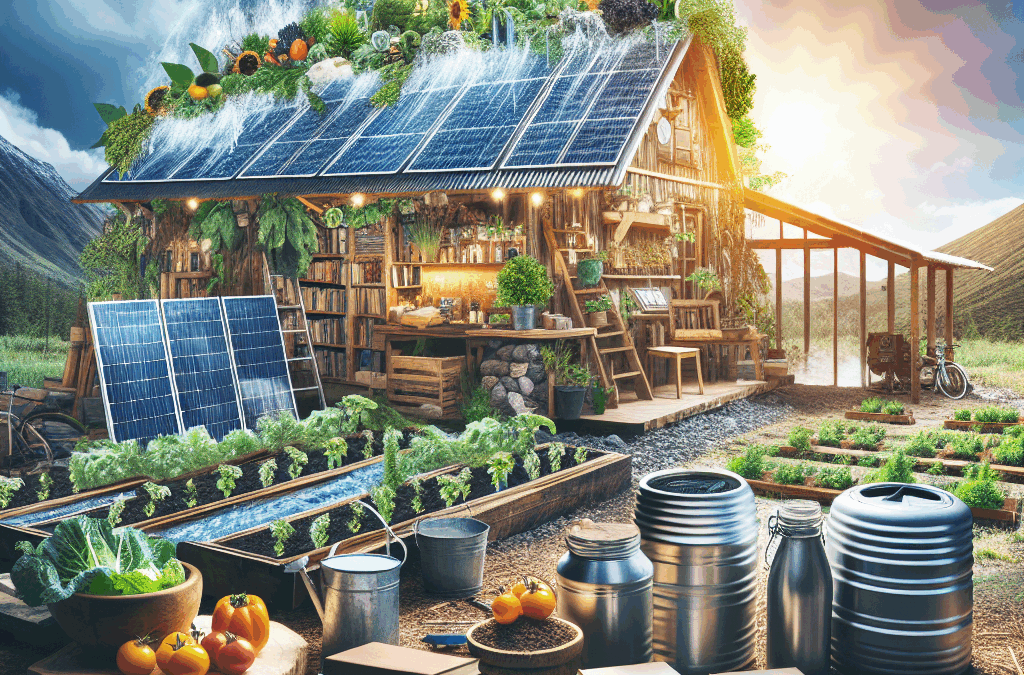
Creating an efficient homestead layout involves integrating renewable energy sources like solar panels and rainwater harvesting systems. Planning your energy needs and resource management now can reduce utility costs and environmental impact in the future. Incorporate permaculture principles for a self-sustaining landscape that promotes biodiversity and soil health.
Occupying a strategic placement of your structures and gardens allows easier access and minimizes labor. These homesteading preparation tips will help you build a resilient, low-maintenance homestead that stands the test of time in 2025 and beyond.
Incorporating Permaculture Techniques
Permaculture focuses on creating a harmonious relationship between nature and human activity. Designing your homestead with permaculture principles can enhance productivity while conserving resources. Techniques like companion planting, mulching, and creating food forests are integral to sustainable homesteading.
Implementing these techniques in your layout minimizes water use and soil degradation, making your homestead more resilient. This approach aligns well with homesteading preparation tips focused on long-term sustainability and ecosystem health in 2025.
Designing Functional Zones
Dividing your land into zones based on usage frequency and needs increases efficiency. Zone 1 might include kitchen gardens and chicken coops, while Zone 3 could be dedicated to orchards or grazing areas. Clear zoning helps prioritize maintenance and reduces unnecessary movement around your homestead.
Effective zoning is a foundational homesteading preparation tip that simplifies daily tasks and enhances productivity. As your homestead grows, this strategic planning ensures a manageable and efficient operation in 2025.
Building Resilient Structures
Constructing durable, energy-efficient structures tailored to your climate improves safety and reduces future repairs. Use sustainable materials like reclaimed wood and solar-powered systems to align with eco-friendly principles. Resilient buildings create a safe environment for your family and livestock, especially during extreme weather events.
Updating or planning new structures with future challenges in mind is a smart homesteading preparation tip for 2025. Well-designed buildings support your long-term homestead sustainability and comfort.
Sustainable Food Production Strategies
Starting a Vegetable Garden
Growing your own vegetables is at the heart of homesteading preparation tips, especially as food security becomes more critical. Choose resilient crops suited to your climate and season, and practice crop rotation to maintain soil health. Raised beds and vertical gardening are space-efficient options for smaller plots.
In 2025, integrating native and heirloom varieties can enhance pest resistance and flavor. Regular composting and organic practices further boost your garden’s productivity while safeguarding environmental health.
Raising Livestock Responsibly
Livestock can provide both food and income, but proper management is essential. Start with hardy breeds suited for your climate and focus on humane, sustainable practices. Setting up appropriate shelters, rotating grazing, and maintaining health records are key to animal welfare.

Homesteading preparation tips also involve understanding local regulations and organic health treatments. Ensuring responsible livestock practices creates a resilient and productive homestead in 2025.
Preserving Food for the Long Term
Effective food preservation methods such as canning, drying, fermenting, and freezing allow you to enjoy your harvest year-round. Investing in quality equipment like dehydrators and pressure canners can streamline this process. Proper food storage also protects against spoilage and pests.
By mastering preservation techniques as part of your homesteading preparation tips, you can reduce waste and increase self-sufficiency in 2025. It’s a practical skill that supports your family’s nutrition and resilience.
Maintaining Biodiversity
Encouraging biodiversity on your homestead through polyculture and native plantings strengthens the ecosystem and reduces pest and disease issues. An diverse garden ecosystem attracts beneficial insects and improves overall resilience. Incorporating wild habitats and native plants also supports local wildlife.
These homesteading preparation tips promote a balanced, healthy environment that sustains your food systems and enriches your homestead’s ecological health in 2025.
Homesteading Preparation Tips for Self-Sufficiency
Developing Renewable Energy Solutions
Installing solar panels, wind turbines, or micro-hydro systems decreases dependence on the grid and cuts energy costs. Planning your renewable energy solutions now allows for future expansion as your needs grow. Consider storing excess energy in batteries to ensure a continuous power supply.
In 2025, sustainable energy solutions will be more affordable and accessible, making homesteading preparation tips for energy independence easier to implement. These investments significantly boost your homestead’s resilience against power outages and rising utility rates.
Water Management and Conservation
Efficient water management includes rainwater harvesting, greywater recycling, and mulching to retain soil moisture. These practices reduce your overall water consumption and secure your water supply in times of drought. Installing quality irrigation systems can further optimize use.
Adopting water conservation strategies aligns with homesteading preparation tips that ensure your land remains productive and sustainable in 2025, despite changing climate patterns.
Building a Network of Support
Connecting with fellow homesteaders, local farmers, and community groups can provide invaluable knowledge, resources, and support. Sharing tools, seeds, and expertise strengthens your homestead’s resilience. Being part of a supportive network also opens doors to barter and cooperative ventures.
Collaborative efforts enhance your homesteading preparation tips, helping you adapt more quickly to challenges that may arise in 2025 and beyond. Building relationships is a cornerstone of self-sufficiency and community resilience.
Developing Emergency Preparedness Plans
A comprehensive emergency plan that includes food storage, communication, and first aid supplies ensures your homestead can weather unexpected crises. Regular drills and updates to your plan keep everyone prepared. Planning for natural disasters, power outages, or supply chain disruptions minimizes risks.
Incorporating emergency preparedness into your homesteading preparation tips ensures safety and continuity. Being ready for unforeseen events in 2025 is vital for long-term sustainability and peace of mind.
FAQ
What are the most important homesteading preparation tips for beginners in 2025?
For beginners, focusing on land assessment, basic livestock management, and starting small vegetable gardens are key homesteading preparation tips. Educating yourself through books, online resources, and local workshops can accelerate your learning curve. Prioritizing sustainability and resource management early on sets a solid foundation for growth.
How can I ensure my homestead remains sustainable in 2025?
Implementing renewable energy solutions, practicing water conservation, and promoting biodiversity are critical homesteading preparation tips for sustainability. Continually educating yourself on eco-friendly practices and adapting to climate changes will help maintain a resilient homestead. Long-term planning and community support also strengthen your sustainability efforts.
What are the best ways to preserve food on a homestead?
Canning, dehydrating, fermenting, and freezing are among the most effective homesteading preparation tips for food preservation. Using quality equipment and proper techniques is essential to prevent spoilage. Preserved foods provide nutritional security and reduce waste, especially during off-seasons.
How do I start planning my homestead layout?
Begin with mapping your land, assessing sunlight, wind, and water flow, then zone different areas based on usage. Incorporating permaculture principles can maximize space and productivity. Thoughtful layout planning minimizes labor and enhances the efficiency of your homestead in 2025.
Conclusion
In essence, honing your homesteading preparation tips is crucial for building a resilient, sustainable, and productive homestead in 2025. Proper planning, resource management, and community engagement lay the groundwork for long-term success and self-sufficiency. Staying proactive and informed ensures you’re ready to meet future challenges head-on and enjoy the fruits of your labor for years to come.
Find out more information about “homesteading preparation tips”
Search for more resources and information: