Table of Contents
- 1. Choosing the Right Location for Off Grid Food Growing
- 2. Planning Your Permaculture Design
- 3. Soil Improvement and Composting Techniques
- 4. Water Harvesting and Irrigation Systems
- 5. Selecting Resilient Crops for Off Grid Food Growing
- 6. Integrating Renewable Energy Sources
- 7. Building Sustainable Greenhouses
- 8. Pest Management Without Chemicals
- 9. Preserving Food Through Canning and Drying

1. Choosing the Right Location for Off Grid Food Growing
Assessing Sunlight and Shelter
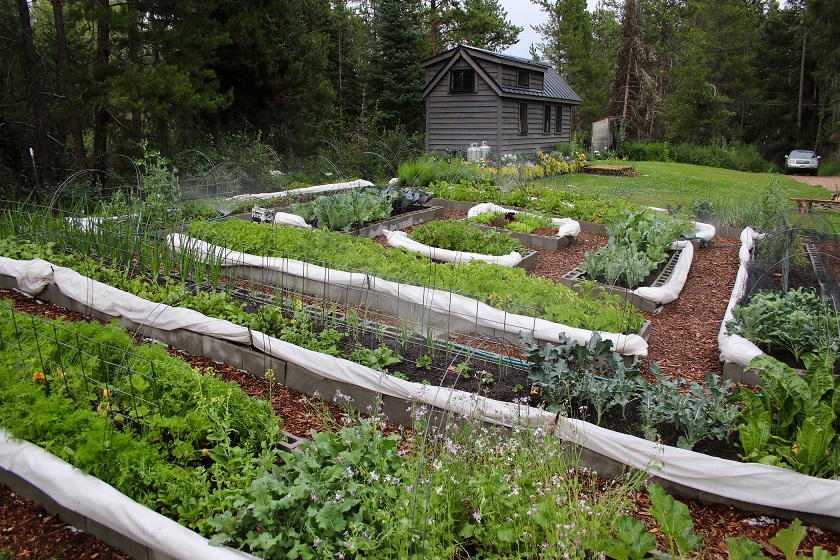
When selecting a site for off grid food growing, sunlight is your most valuable resource. Most vegetables require at least 6-8 hours of direct sunlight daily to thrive. I recommend observing the area over several days to determine sun exposure patterns before planting. Optimal positioning can significantly boost crop yields and reduce the need for supplemental lighting or heat.
Shelter from harsh winds and extreme weather conditions is equally important. Building natural windbreaks like hedgerows or installing fences can protect your crops. A well-chosen location minimizes energy and resource inputs, making your off grid food growing efforts more sustainable and efficient.
In 2025, increasingly unpredictable weather patterns make site assessment even more critical. Utilizing tools like solar pathfinders and weather data can help you make informed decisions, ensuring your crops flourish regardless of climate fluctuations.
2. Planning Your Permaculture Design
Key Principles of Permaculture
Permaculture offers a blueprint for off grid food growing by designing ecosystems that are resilient and self-sustaining. Key principles include zones of intensively cultivated crops near your dwelling and establishing food forests for long-term yields. Implementing these principles minimizes labor and resource waste.
For example, incorporating diverse plant species promotes natural pest control and soil health. Companion planting strategies such as planting beans with corn or basil with tomatoes enhance productivity naturally. Planning your permaculture design thoughtfully results in a productive, low-maintenance off grid food growing system.
In 2025, integrating smart technology like soil sensors and climate monitoring tools can optimize your permaculture layout, making your off grid food growing more precise and effective.
3. Soil Improvement and Composting Techniques
Building Healthy Soil Naturally
Healthy soil is the foundation of successful off grid food growing. In 2025, focus on regenerative practices such as no-till gardening and cover cropping to restore soil fertility. Composting kitchen scraps and garden waste creates nutrient-rich humus, boosting plant growth.
Layering organic materials adds organic matter and encourages microbial activity, essential for nutrient cycling. Vermicompostingâusing wormsâis a highly efficient method for producing premium compost while reducing waste. Incorporating biochar can further improve soil structure and water retention.
Data shows that soil treated with regenerative techniques can see yield increases of up to 30% over conventional methods. Practical tip: set up a compost bin system to manage waste effectively and enrich your soil continuously.
4. Water Harvesting and Irrigation Systems
Collecting and Storing Rainwater
Water management is crucial for off grid food growing. Installing rainwater harvesting systems ensures a reliable supply. Simple rain barrels combined with gutters can collect significant water volumes during rainy seasons. In 2025, employing additional methods like contour harvesting and swales increases water infiltration and reduces runoff.
An efficient irrigation system, such as drip or soaker hoses, conserves water and directs moisture where it’s needed most. Connecting these systems to stored rainwater makes your garden less dependent on external water sources and more sustainable.
Real-world example: Many off grid homesteads use gravity-fed irrigation, which eliminates electricity needs. Implementing smart timers and soil moisture sensors in 2025 can further optimize water use, ensuring your off grid food growing remains eco-friendly.
5. Selecting Resilient Crops for Off Grid Food Growing
Choosing Drought-Resistant and Native Plants
Choosing the right crops is vital. Drought-resistant varieties like indigenous grains, tomatoes, and certain root vegetables thrive with minimal water. Native plants are adapted to local climates and soil conditions, reducing the need for supplemental inputs.
In 2025, focus on heirloom and open-pollinated seeds that preserve genetic diversity and ensure resilience against pests and diseases. Growing a mix of annuals and perennials provides continuous harvests and reduces soil disturbance.
Practical tip: Start with easy-to-grow crops like lettuce, radishes, or beans for quick success, then expand to more challenging varieties as your system stabilizes.
6. Integrating Renewable Energy Sources
Solar, Wind, and Micro-Hydro Solutions
Renewable energy is a key component of sustainable off grid food growing. Solar panels provide power for water pumps, LED grow lights, and small machinery. Wind turbines can supplement energy needs in windy areas, making your off grid system more resilient.
In 2025, micro-hydro systems are becoming more accessible and efficient for small-scale applications. Installing these sources reduces reliance on fossil fuels and lowers your carbon footprint while supporting year-round food production.

Plan your energy system to prioritize essential functions; for example, automatic irrigation or greenhouse ventilation. Combining multiple renewable sources enhances reliability and reduces downtime.
7. Building Sustainable Greenhouses
Passive Solar Designs and Materials
A greenhouse extends your growing season and enhances productivity. In 2025, passive solar greenhouses designed with north-facing glazing, thermal mass materials, and insulation are more efficient than ever. These features maximize heat retention and minimize energy costs.
Using sustainable materials like recycled plastics or locally sourced wood keeps your greenhouse eco-friendly. Installing automatic venting and shading devices ensures optimal temperature control without energy waste.
Greenhouses also serve as microclimates, protecting crops from extreme weather, pests, and diseases. Proper planning and design can improve yields by up to 50% compared to outdoor planting.
8. Pest Management Without Chemicals
Biological and Cultural Control Methods
Off grid food growing often requires organic pest control techniques. Beneficial insects like ladybugs and nematodes naturally reduce pest populations. Crop rotation and companion planting divert pests away from crops.
In 2025, integrating high-tech solutions like pheromone traps and pheromone disruption systems provides targeted pest control without chemicals. Regular monitoring and early intervention are key.
Practical tip: Creating diverse plantings and encouraging biodiversity creates a resilient ecosystem that naturally balances pest populations, reducing crop loss.
9. Preserving Food Through Canning and Drying
Techniques for Food Storage and Longevity
Preserving your harvest allows you to enjoy homegrown food year-round. Modern methods such as water bath canning, pressure canning, and dehydration are essential skills. In 2025, energy-efficient dehydrators and solar canning setups are becoming more popular.
Proper storage conditionsâcool, dark, and dryâextend shelf life significantly. Building your own root cellar adds a passive-temperature storage option, minimizing energy costs.
Pro tip: Label stored foods with date and contents, and rotate stock to prevent spoilage. Preserved foods are a cornerstone of full self-sufficiency in your off grid food growing system.
Conclusion
Mastering off grid food growing in 2025 is about combining practical strategies, innovative technologies, and sustainability principles. The keyword phrase ‘off grid food growing’ embodies a lifestyle of resilience, independence, and respect for nature. When you implement these strategiesâranging from site selection to preservationâyou set yourself up for a thriving, autonomous food system thatâs prepared for the challenges of the future. Remember, the journey toward successful off grid food growing is ongoing, but with the right knowledge and tools, youâll enjoy fresh, healthy food all year roundâand lead the way to a more sustainable tomorrow.
Frequently Asked Questions
1. What is the best mindset for successful off grid food growing in 2025?
Patience, adaptability, and continuous learning are essential. Embrace experimentation, monitor your system regularly, and be open to new techniques to optimize your off grid food growing efforts.
2. How can I ensure water security for off grid food growing?
Utilize rainwater harvesting, implement water-efficient irrigation, and choose drought-resistant crops. Combining these approaches creates a resilient water supply to sustain your garden through dry seasons.
3. Why is ‘off grid food growing’ important for future sustainability?
It reduces dependence on fossil fuels and industrial agriculture, lowers your carbon footprint, and promotes local food resilience. As climate challenges intensify, mastering off grid food growing becomes increasingly vital.
4. How do I get started with off grid food growing in 2025?
Begin with site assessment, plan your permaculture design, improve your soil, and select suitable crops. Gradually incorporate renewable energy solutions and eco-friendly pest control to build a sustainable system.
Author: Your Name | Date: October 2025