Organic gardens don’t have to be battlegrounds. With thoughtful design, rich soil, helpful neighbors and a few time-tested remedies, you can keep pests at bay while protecting pollinators and wildlife. Here’s how to turn your backyard into a resilient, low-maintenance ecosystem that resists outbreaks naturally.
Build It Right: Garden Design and Soil Health for Natural Pest Resistance
Planting with purpose starts the minute you lay out beds. Use diversity—mix flowers, herbs, and vegetables to confuse pests and interrupt host-finding. Stagger planting times so all crops aren’t vulnerable at once. Create physical barriers: row covers, sturdy cloches, and drip irrigation reduce moisture on leaves where fungi and slugs thrive. Most importantly, feed the soil. Compost, cover crops and well-aged mulch encourage strong plants with robust root systems that withstand chewing and sucking insects. Healthy soil fosters beneficial microbes that compete with pathogens and improve plant nutrition, meaning fewer stressed, pest-attractive specimens in your beds.
Recruit Allies: Attracting Beneficial Insects, Birds, and Predators
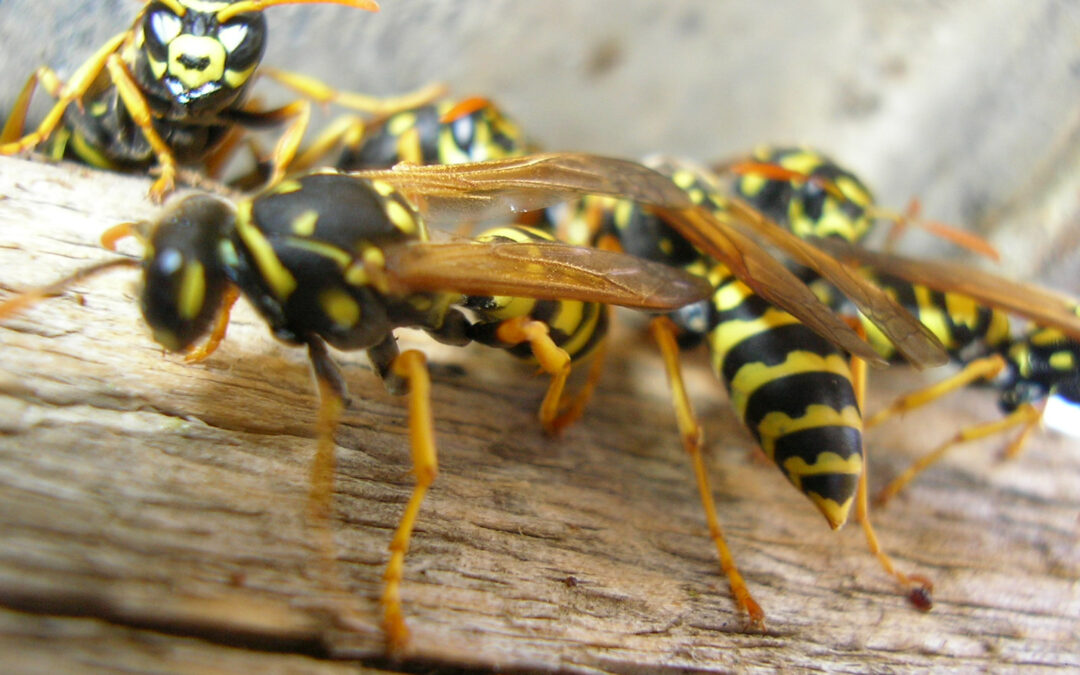
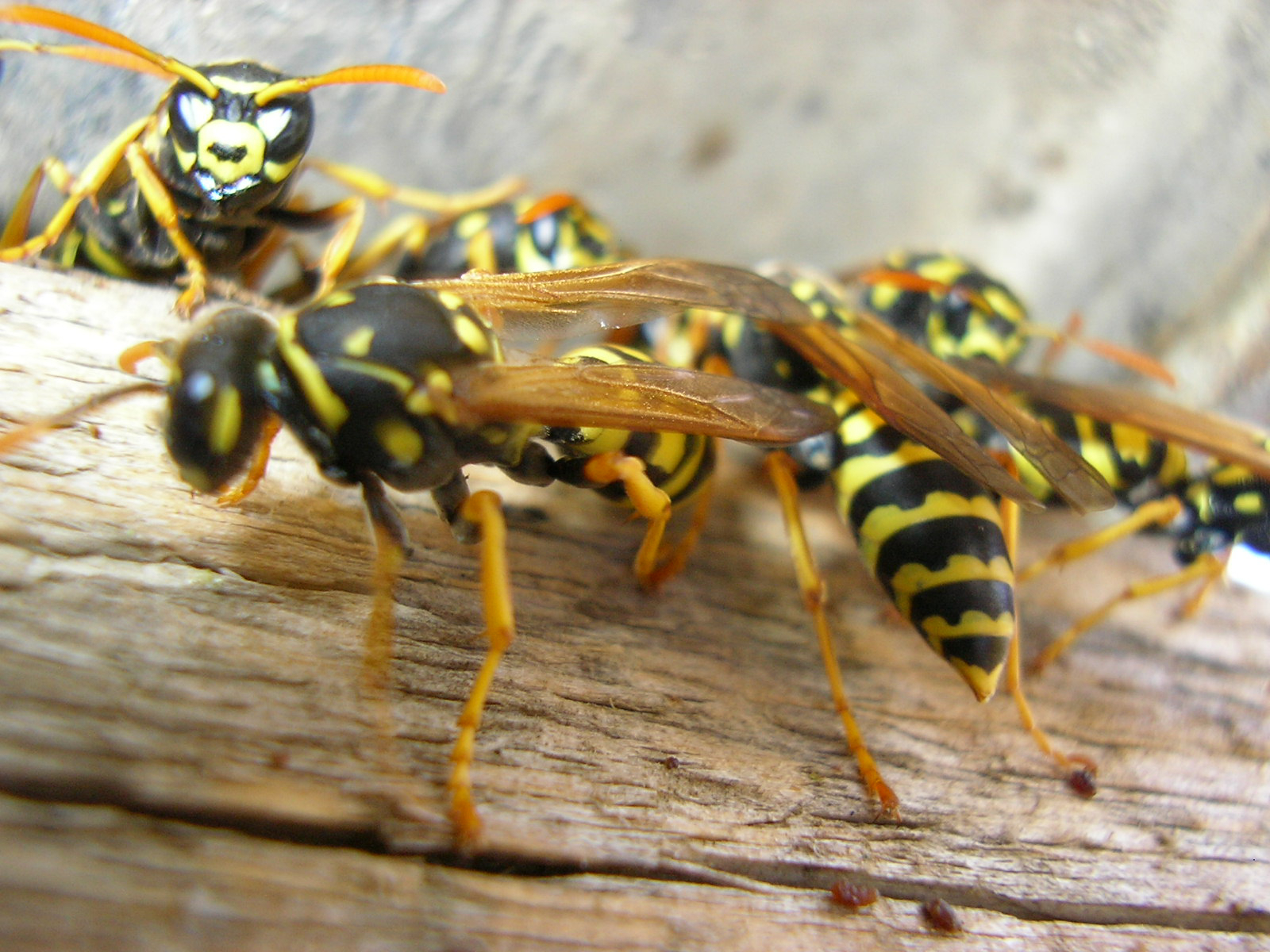
Invite nature’s pest control team. A few native flowering plants—yarrow, fennel, and cosmos—bring in hoverflies, lacewings and parasitic wasps that hunt aphids and caterpillars. Install a shallow water source and small brush piles to welcome birds and frogs. Avoid broad-spectrum insecticides: they kill friends as well as foes. Provide nesting boxes and leave some areas a little wild; predatory beetles, spiders and ground-dwelling wasps do stealthy cleanup work. Even bats can trim mosquito populations. Think habitat, not just plant palette.

Home Remedies & Organic Treatments: Safe Sprays, Traps, and Repellents That Work
Keep chemical tools simple and targeted. Homemade sprays—like insecticidal soap, diluted neem oil, or garlic-pepper infusions—work well when applied properly and sparingly. Sticky traps catch flying adults before they lay eggs; beer traps lure slugs. Diatomaceous earth sprinkled around seedlings controls soft-bodied pests without lingering toxins. For specific invaders, try pheromone traps and row covers early in the season. Rotate treatments and always test a spray on a single leaf to check for phytotoxicity. Safety first: store concentrates away from pets and children.
Watch, Rotate, and Respond: Smart Monitoring and Crop Practices to Prevent Outbreaks
Scout regularly. A ten-minute patrol every few days reveals eggs, eggshells, and the earliest chew marks. Hand-pick large pests and prune infested limbs. Practice crop rotation to break pest life cycles—don’t plant brassicas where cabbage worms thrived last year. Clean up debris in fall to remove overwintering sites, and compost carefully so pests aren’t spread. When trouble starts, act fast and choose the least disruptive remedy first. Small, early interventions often prevent large, chemical-dependent fixes later.

A pest-free organic garden isn’t a fantasy; it’s the result of layered defenses, observations, and partnerships with nature. Build, attract, treat gently, and watch closely—and your garden will repay you with health, abundance, and peace. Start small, learn from each season, and celebrate incremental victories; over time your garden will become stronger, more balanced, and less demanding — a thriving, pest-resilient place you’ll cherish every single year.