Start with Soil: Creating a Living, Nutrient-Rich Foundation
Everything in your garden begins below ground. Healthy plants are rooted in living soil teeming with microbes, fungi, and organic matter — not synthetic chemistry. Build that foundation by adding generous amounts of compost and well-rotted manure, layering in leaf mold and small amounts of mineral amendments like rock phosphate or greensand if a test indicates need. Avoid deep tilling; instead use no-till beds or shallow forked aeration to preserve soil structure and the beneficial mycorrhizal networks. Plant cover crops (clover, vetch, rye) in off-seasons to fix nitrogen, prevent erosion, and feed the soil. Worms, springtails, and microbes are your allies; invite them by keeping the ground covered with organic mulch and by avoiding harsh chemical inputs that wipe out the living web beneath your plants.
Planting for Balance: Companion Plants and Biodiversity
A monoculture is an open invitation to pests and disease. Diversity, on the other hand, confuses pests and supports a resilient garden ecosystem. Use companion plants to boost health and yields: basil beside tomatoes, chives around roses, and nasturtiums as sacrificial hosts for aphids. Scatter pollinator magnets — lavender, borage, and native wildflowers — to welcome bees and beneficial wasps. Include structural diversity too: low groundcovers, mid-height herbs and flowers, and taller shrubs or fruit trees create microhabitats for different insects and birds. Interplant annuals with perennials, rotate vegetable families each year, and add a small water feature or pile of brush to support amphibians and predatory insects that naturally keep pest populations in check.
Natural Pest Control: Safe, Effective Alternatives to Pesticides
You don’t need synthetic poisons to manage pests. Start with prevention: healthy soil, proper spacing, and regular inspection will nip many problems in the bud. For active control, use physical methods like handpicking, row covers for seedlings, and sticky traps for flying insects. Encourage predators — ladybugs, lacewings, lacewing larvae, predatory beetles and birds — by providing habitat and avoiding broad-spectrum sprays. Organic sprays such as insecticidal soaps, neem oil, and Bacillus thuringiensis (Bt) target specific pests with minimal off-target harm. Diatomaceous earth can help control slugs and crawlers. Employ cultural tactics too: remove disease-ridden foliage, rotate crops to break pest life cycles, and plant trap crops that lure pests away from your main harvest.

Sustain and Enjoy: Watering, Mulching, and Seasonal Care for an Organic Oasis
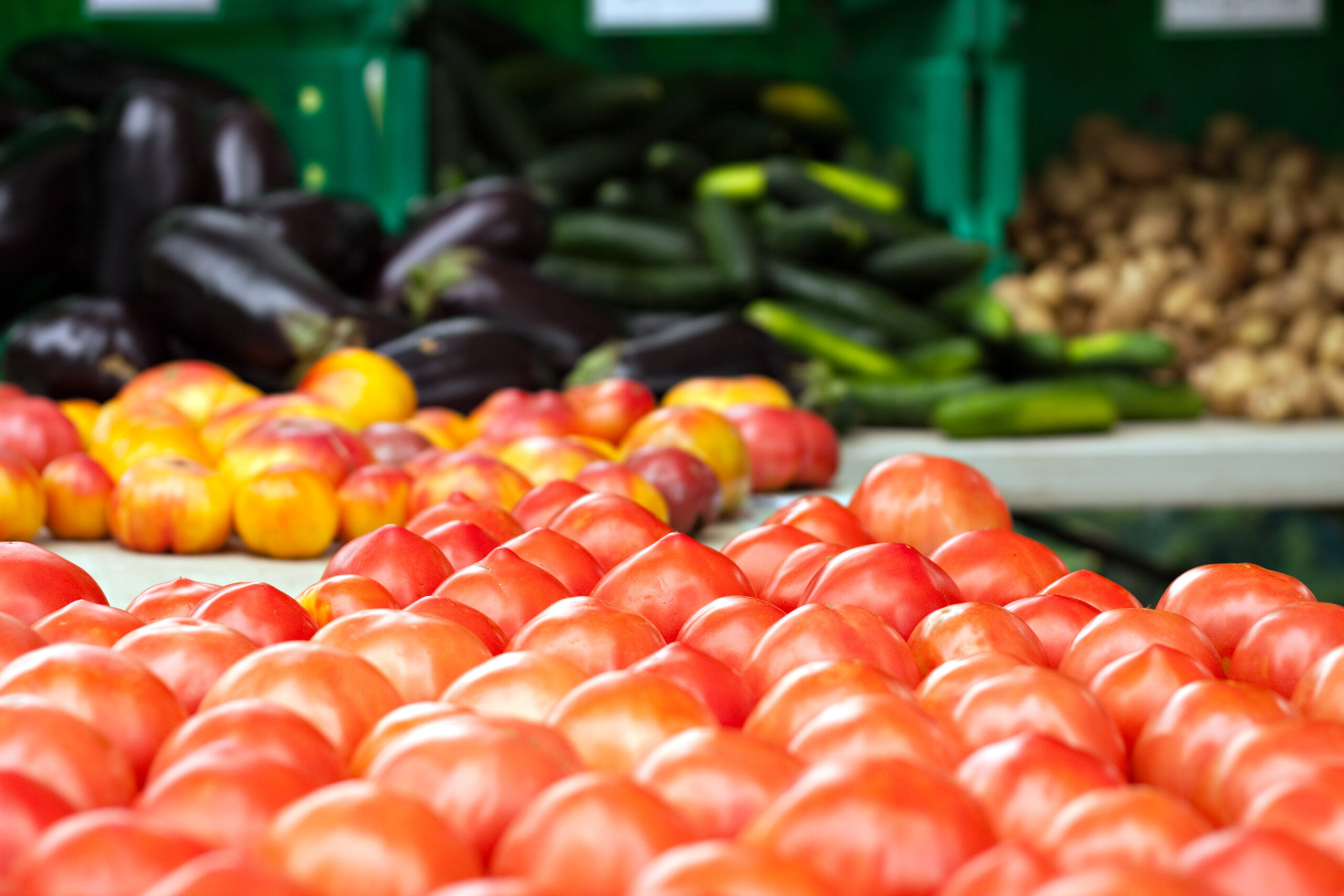
Maintenance is where the garden rewards patience. Water deeply and infrequently, using drip lines or soaker hoses to keep foliage dry and reduce disease. Morning watering is best. Mulch generously with straw, wood chips, or shredded leaves to conserve moisture, suppress weeds, and feed soil life as it breaks down. Feed plants with compost tea or organic-approved amendments during the growing season rather than synthetic fertilizers that can unbalance soil biology. In late season, tidy up by composting healthy debris and removing heavily diseased material. And remember: organic gardening is a practice, not perfection. Watch, learn, and adapt. Over time your yard will shift from a patchwork of plants into a thriving, pesticide-free paradise that’s as productive as it is beautiful. Enjoy the harvest.