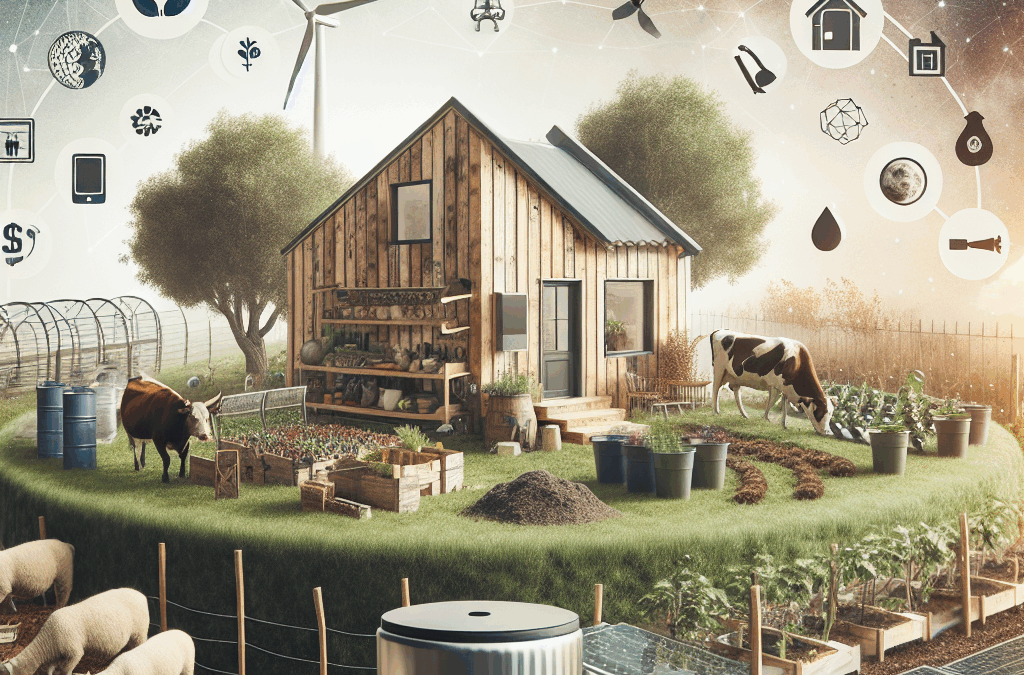
In today’s rapidly changing world, the need for sustainable living has never been more pressing. Enter the concept of resilient homestead systems, an innovative approach to creating self-sufficient and sustainable communities. These systems not only promote environmental health but also empower individuals to take control of their resources and food supply. By integrating various sustainable practices, resilient homestead systems help communities thrive amidst challenges such as climate change and economic instability.
Understanding and implementing resilient homestead systems can lead to numerous advantages, including reduced dependence on external resources and improved food security. As more people seek to reconnect with nature and cultivate their own food, the interest in these systems continues to grow. This article will explore the fundamentals of resilient homestead systems, their key components, benefits, and real-world examples that showcase their effectiveness.
What Are Resilient Homestead Systems?
Resilient homestead systems refer to a holistic approach to living sustainably by integrating agriculture, energy production, and ecological practices. Essentially, they are designed to be self-sufficient and adaptable to various environmental challenges. These systems can include features such as permaculture, agroforestry, and renewable energy sources, all of which contribute to a harmonious relationship between humans and nature.

At their core, resilient homestead systems aim to minimize waste, reduce carbon footprints, and improve biodiversity. They are not just about individual homesteads; they also foster community engagement, shared resources, and collaborative efforts to enhance resilience on a larger scale.
Understanding the Principles of Resilience
The principles of resilience focus on adaptability, diversity, and sustainability. Here are some key aspects:
- Diversity: Incorporating a variety of plants and animals helps create balanced ecosystems.
- Interconnectedness: Every element in a homestead system should support the others, whether through nutrient cycling or mutual assistance.
- Adaptability: Resilient systems can evolve based on changing environmental conditions.
- Sustainability: Long-term viability is a primary goal, ensuring resources are used wisely.
Key Components of Resilient Homestead Systems
To effectively implement resilient homestead systems, several key components should be considered:
1. Sustainable Agriculture Practices
Integrating sustainable agriculture practices is fundamental to resilient homestead systems. This includes:
- Permaculture: Designing agricultural landscapes that mimic natural ecosystems.
- Crop Rotation: Enhancing soil health and pest control by alternating crops.
- Organic Fertilizers: Using compost and natural amendments to nourish soil.
- Water Conservation: Implementing rainwater harvesting and irrigation systems.
2. Energy Independence
Generating energy through renewable sources is vital for resilience. Key strategies include:
- Solar Power: Installing solar panels to harness sunlight.
- Wind Energy: Utilizing wind turbines for power generation.
- Biogas Systems: Converting organic waste into usable energy.
Benefits of Implementing Resilient Homestead Systems
Adopting resilient homestead systems offers numerous benefits:
1. Enhanced Food Security
One of the primary advantages of these systems is improved food security. By growing their own food, individuals can reduce reliance on external supply chains and ensure access to fresh produce. This is especially crucial in times of crisis or economic downturn.
2. Environmental Stewardship
Resilient homestead systems prioritize ecological health. They promote biodiversity, reduce pollution, and contribute to the restoration of ecosystems. By adopting these practices, communities can play a significant role in combating climate change.
3. Community Building
Implementing resilient systems fosters connections among individuals. Community gardens, shared resources, and collaborative projects enhance social ties, leading to stronger, more cohesive communities.
Real-World Examples of Resilient Homestead Systems
There are numerous examples of successful resilient homestead systems worldwide:
Case Study: The Resilient Farm and Homestead
This innovative farm showcases how integrating diverse agricultural practices can lead to sustainability. By focusing on perennial crops and regenerative practices, the farm demonstrates that resilience is achievable even in challenging climates.
Community Initiatives
Many urban areas have begun implementing community gardens that utilize resilient homestead systems. These gardens not only produce food but also educate residents on sustainable practices and foster social bonds.
References and Resources
These resources provide valuable information about resilient homestead systems. Check them out for additional insights:

Authoritative Sources on resilient homestead systems
-
Resilient Homestead Program
brokengroundpermaculture.comExplore topics like soil-building and vegetable gardening to create sustainable living spaces.
-
The Resilient Farm and Homestead: An Innovative …
www.amazon.comA practical guide to creating a resilient lifestyle through sustainable farming practices.
-
Building a Resilient Homestead: From Dream to Reality – A …
www.reddit.comInsights on practical strategies for creating a resilient homestead.
-
The Resilient Farm and Homestead, Revised and Expanded …
chapter1bookstore.comA comprehensive how-to guide on successful land management and resilience.
-
NEW BOOK The Resilient Farm and Homestead Ben Falk …
permies.comA handbook for developing regenerative human habitat systems.
-
How to Build a Homestead That’s Resilient
www.motherearthnews.comExplore strategies for building resilient homesteads that withstand environmental challenges.
-
The Resilient Farm and Homestead: An Innovative …
www.reddit.comTools to develop durable, beautiful, and highly functional human habitat systems.
-
The Resilient Farm and Homestead by Ben Falk
purpletools.netA manual for developing durable, beautiful, and highly functional human habitat systems.
Frequently Asked Questions
What are some examples of resilient homestead systems?
Examples of resilient homestead systems include permaculture gardens, aquaponics setups, and integrated livestock systems. These systems focus on sustainability, resource efficiency, and community engagement.
How can I start implementing resilient homestead systems?
Begin by assessing your available resources and space. Start small by creating a garden or implementing composting. Gradually incorporate more complex systems like rainwater harvesting and renewable energy sources.
What are the economic benefits of resilient homestead systems?
Resilient homestead systems can reduce food expenses, lower energy costs, and increase property value. Additionally, they may provide income opportunities through selling surplus produce or products.
How do resilient homestead systems contribute to climate change mitigation?
By promoting biodiversity, reducing waste, and enhancing soil health, resilient homestead systems contribute to climate change mitigation. They help sequester carbon and improve the ecosystem’s overall health.
Conclusion
In conclusion, resilient homestead systems represent a powerful approach to fostering sustainable living and thriving communities. By embracing the principles of resilience, individuals and communities can create self-sufficient systems that promote environmental health and social cohesion. The journey towards building resilient homesteads begins with small, manageable steps and a commitment to sustainable practices. As we move forward, let’s empower ourselves and our communities to thrive in harmony with nature.
Find out more information about “resilient homestead systems”
Search for more resources and information:
Related Content
- Maximize Your Space: Creating an Efficient Homesteading Storage Pantry for Sustainable Living
- Exploring Innovative Homestead Income Streams: Unlock Financial Freedom Through Sustainable Practices
- How To Grow the Garden You Always Wanted
- Add Residential Solar Power Tо Yоur Homestead
- Living Off the Grid: The Joys and Challenges of Self-Reliant Living