A thriving organic garden doesn’t need a chemical arsenal—just smart design, healthy soil, and a few nature-powered tricks. The secret lies in tipping the balance in favor of beneficials, making your plot inhospitable to pests while hospitable to predators, pollinators, and resilient plants.
Start by attracting and protecting beneficial insects. Ladybugs, lacewings, predatory wasps, hoverflies and ground beetles are your allies. Plant a continuous sequence of nectar- and pollen-rich flowers—dill, cilantro, fennel, yarrow, angelica, and calendula—so adults of beneficial species have food year-round. Provide habitat: leave a corner with undisturbed leaf litter, install simple insect hotels, and offer shallow water dishes with pebbles for perches. Avoid broad-spectrum sprays and time any necessary interventions for early morning or late evening when pollinators are less active.
Companion planting and crop rotation are classic, low-tech defenses. Mix herbs and flowers among vegetables: basil boosts tomato flavor and may confuse pests; marigolds deter nematodes and attract pollinators; nasturtiums act as a sacrificial trap crop for aphids and whiteflies. Practice spatial diversity—interplant fast and slow growers to confuse pests that seek uniform rows. Rotate families each season: don’t follow brassicas with brassicas; move them to a new bed to interrupt pest and disease cycles. A three-year rotation (e.g., solanaceae → legumes → brassicas) reduces build-up of specialized enemies and balances soil nutrients.

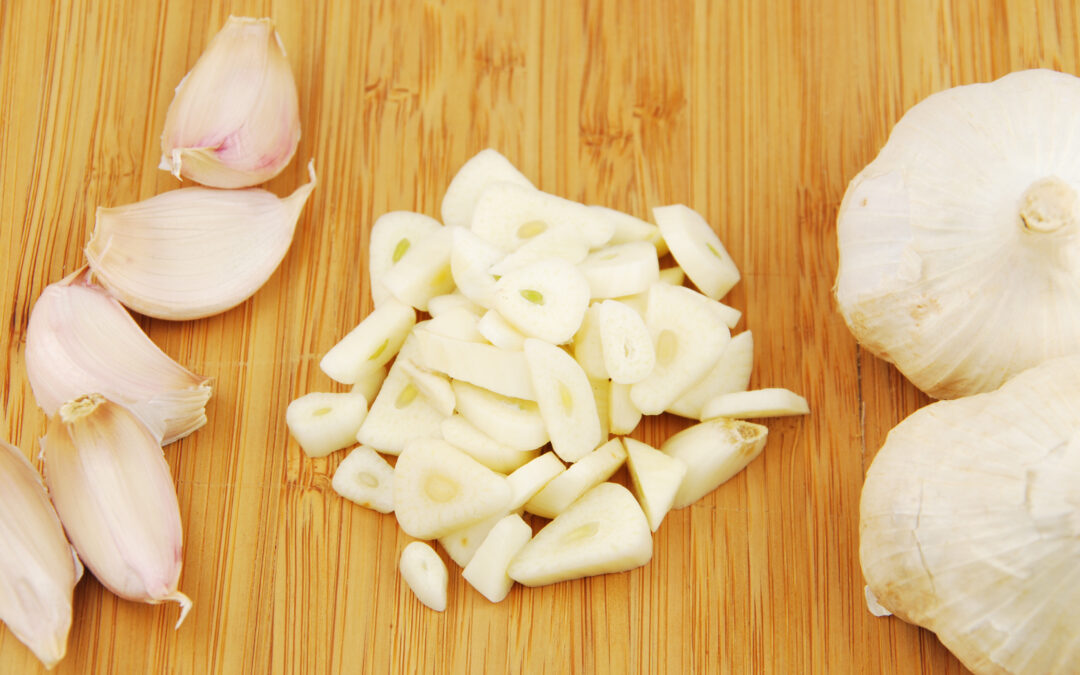
When pests still appear, reach for natural remedies, traps and physical barriers before anything harsher. Homemade sprays—soap and water, garlic-chili infusions, or a dilute neem oil—can control soft-bodied pests without harming beneficials when used carefully. Diatomaceous earth applied dry around plant bases deters slugs and crawling insects. Beer traps, slightly buried dishes of beer, are excellent for slugs; sticky traps catch flying moths and whiteflies. Physical barriers are invaluable: floating row covers exclude butterflies and beetles, collars of cardboard or tin foil protect transplants from cutworms, and copper tape repels slugs. Netting keeps birds and larger pests off fruit, while hand-picking large insects like cabbage loopers remains highly effective.
None of this works without healthy soil, smart garden design, and preventive practices. Feed the soil with compost, well-rotted manure, and cover crops; diverse, living soil encourages strong roots and plants less attractive to pests. Design beds with good air circulation and sun exposure; overcrowding invites disease. Use raised beds for improved drainage and warmer soil in spring. Early-season sanitation—removing infected debris, cleaning tools, and choosing disease-resistant varieties—prevents problems from taking hold. Water at the soil line to keep foliage dry and reduce fungal issues, and stagger planting dates to avoid synchronized pest outbreaks.
A pest-free organic garden is less about eradication and more about balance. Encourage predators, confuse or deter attackers, and build resilient plants from the ground up. With habitat, diversity, and a few hands-on tricks, your garden can flourish without a single synthetic chemical in sight.