Self reliant living is more than just a trend; it’s a way of life that empowers individuals to take control of their circumstances. With the increasing unpredictability of global systems—be it economic, social, or environmental—many are turning to self reliant living as a sustainable solution. This approach encourages self-sufficiency, creativity, and resilience in everyday life. By embracing self reliant living, you can cultivate a lifestyle that not only benefits you but also contributes positively to the planet.
The essence of self reliant living lies in its multiple facets, including growing your own food, harnessing renewable energy, and minimizing waste. With each step taken towards self reliant living, individuals can significantly reduce their ecological footprint while enhancing their quality of life. In this ultimate guide, we’ll explore the principles, practical applications, and profound benefits of self reliant living, equipping you with the tools to embark on your journey toward a more sustainable future.
Understanding Self Reliant Living
Self reliant living encapsulates a philosophy of independence and sustainability. It encourages individuals to rely on their own resources, knowledge, and skills to meet their basic needs. This can manifest in various ways, from urban gardening to off-grid living. Here are some important concepts to grasp:

What is Self Reliant Living?
At its core, self reliant living means minimizing dependence on external systems and services. This lifestyle promotes a sense of empowerment and responsibility. People engaged in self reliant living often seek to reconnect with nature and utilize local resources effectively.
Self reliant living can include:
– **Food Production**: Growing your own vegetables, fruits, and herbs.
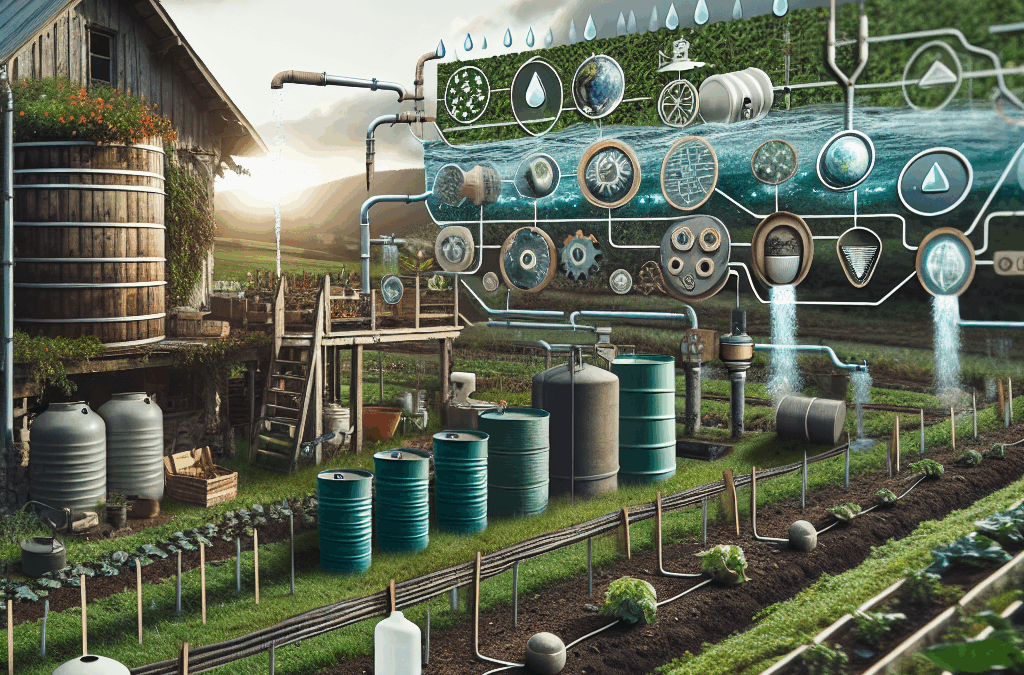
– **Water Conservation**: Implementing rainwater harvesting systems.
– **Energy Independence**: Using solar panels or wind turbines to generate power.
– **Waste Reduction**: Practicing recycling and composting to minimize waste.
These practices not only foster a sustainable lifestyle but also instill a profound sense of accomplishment and autonomy.
The Historical Context of Self Reliant Living
Historically, self reliant living was a necessity for survival. Before the industrial revolution, communities relied heavily on local resources for food, shelter, and energy. With the advent of modern conveniences, many have drifted away from these practices. However, the recent environmental crises and economic instabilities have led to a renaissance of interest in self reliant living.
This shift back to self reliance is driven by a desire to cultivate resilience against unpredictable societal changes. People are increasingly recognizing the importance of sustainable practices as a response to climate change, food insecurity, and economic fluctuations.
Key Principles of Self Reliant Living
To truly embrace self reliant living, understanding its foundational principles is crucial. Here are the core tenets that guide this lifestyle:
1. Sustainability
Sustainability is at the heart of self reliant living. It encourages practices that do not deplete resources faster than they can be replenished. This includes adopting methods that support ecological balance, such as organic farming and permaculture.
2. Resourcefulness
Being resourceful is essential in self reliant living. This involves using available materials creatively and efficiently. For example, repurposing old furniture or utilizing greywater for irrigation can significantly reduce waste.
3. Community Engagement
While self reliant living emphasizes independence, it also recognizes the importance of community. Engaging with neighbors and sharing resources, skills, and knowledge can enhance resilience. Community gardens, tool libraries, and local exchange networks foster collaboration and support.
4. Lifelong Learning
Self reliant living is a journey of continuous growth. Embracing lifelong learning through workshops, online courses, and hands-on experiences can enhance your skills and knowledge, allowing you to adapt and innovate in your self reliant practices.
Practical Steps to Achieve Self Reliant Living
Transitioning to self reliant living may seem daunting, but breaking it down into manageable steps can make the process smoother. Here’s a guide to get you started:
Step 1: Assess Your Current Situation
Begin by evaluating your current lifestyle. Identify areas where you can reduce dependency on external systems. Consider your food sources, energy consumption, and waste production.
Step 2: Set Clear Goals
Establish specific, measurable goals for your self reliant living journey. Whether it’s growing your own food or reducing your energy bill, having clear objectives will keep you motivated.
Step 3: Start Small
Implement small changes before committing to larger projects. For instance, start with a few potted herbs on your windowsill or a small compost bin. Gradually expand your efforts as you gain confidence and experience.
Step 4: Build a Support Network
Connect with others who share your interest in self reliant living. Online forums, local workshops, and community events can provide valuable support, inspiration, and resources.
Step 5: Monitor Your Progress
Regularly assess your progress toward your self reliant living goals. Adjust your strategies as needed and celebrate your achievements, no matter how small. Keeping a journal can be helpful in tracking your journey.
Benefits of Self Reliant Living
Adopting a self reliant living approach comes with a range of benefits that extend beyond individual well-being. Here are some key advantages:
1. Economic Savings
By growing your own food and generating your own energy, you can significantly reduce your monthly expenses. Many have found that self reliant living leads to long-term financial benefits.
2. Environmental Impact
Self reliant living promotes ecological sustainability. By reducing reliance on mass-produced goods and services, individuals can decrease their carbon footprint and contribute to a healthier planet.
3. Enhanced Quality of Life
Many individuals report that engaging in self reliant living practices enhances their overall quality of life. The joy of nurturing plants, creating homemade products, and mastering new skills fosters a sense of fulfillment and purpose.
4. Increased Resilience
A self reliant lifestyle equips individuals with the skills and knowledge to adapt to changing circumstances. This resilience can prove invaluable in times of crisis, whether due to economic downturns or natural disasters.
Challenges and Solutions in Self Reliant Living
While self reliant living is rewarding, it is not without its challenges. Understanding these obstacles and potential solutions can help you navigate them effectively.
Common Challenges
1. **Time Constraints**: Many people struggle to find time for gardening or other self reliant activities amidst busy schedules.
2. **Initial Costs**: The upfront investment in tools or resources can be a barrier for some individuals.
3. **Knowledge Gaps**: Lack of experience or knowledge can deter people from fully committing to self reliant living.
Effective Solutions
– **Time Management**: Prioritize self reliant activities by integrating them into your daily routine. Even dedicating 15 minutes a day can lead to significant progress over time.
– **Budgeting**: Set a budget for self reliant projects and gradually invest in tools or seeds as your finances allow.
– **Education**: Take advantage of online resources, local workshops, and community programs to build your knowledge base.
References and Resources
These resources provide valuable information about self reliant living. Check them out for additional insights:
Authoritative Sources on Self Reliant Living
-
Natural Resources Conservation Service
nrcs.usda.govOffers guidance on sustainable practices and resources for individuals pursuing self reliant living.
-
Permaculture Institute
permaculture.orgEducational resources and community support for sustainable agriculture and self reliant living.
-
Earth Day Network
earthday.orgFocused on global environmental issues, promoting self reliant living practices to combat climate change.
-
Local Harvest
localharvest.orgConnects individuals with local farmers and community-supported agriculture, promoting self reliant food practices.
-
Homesteading.com
homesteading.comA rich resource for tutorials and tips on self sufficient living, gardening, and sustainable practices.
-
Green Home Guide
greenhomeguide.comProvides resources for sustainable home improvement and energy efficiency, crucial elements of self reliant living.
-
Planet Natural
planetnatural.comOffers organic gardening supplies and information crucial for those pursuing self reliant living.

-
Green Building Advisor
greenbuildingadvisor.comA guide for sustainable construction practices, essential for creating self reliant living spaces.
Frequently Asked Questions
What are the basic principles of self reliant living?
The basic principles of self reliant living include sustainability, resourcefulness, community engagement, and lifelong learning. These principles guide individuals in reducing their dependency on external systems while enhancing their quality of life.
How can I start practicing self reliant living?
To start practicing self reliant living, assess your current lifestyle, set clear goals, and begin with small, manageable changes. Gradually expand your self reliant practices, such as gardening or energy conservation, and build a community support network.
What are the benefits of self reliant living?
Benefits of self reliant living include economic savings, reduced environmental impact, enhanced quality of life, and increased resilience. By adopting self reliant practices, individuals can enjoy greater independence and security.
What challenges might I face in self reliant living?
Common challenges in self reliant living include time constraints, initial costs, and knowledge gaps. However, with proper time management, budgeting, and education, these challenges can be effectively addressed.
How can community engagement support self reliant living?
Community engagement fosters collaboration and support among individuals pursuing self reliant living. Sharing resources, skills, and knowledge enhances resilience and encourages sustainable practices.
Conclusion
In conclusion, self reliant living is a transformative approach that empowers individuals to take control of their lives while promoting sustainability. As we’ve explored, the journey toward self reliant living involves understanding its principles, implementing practical steps, and overcoming challenges along the way.
Embracing self reliant living not only enhances your quality of life but also contributes to a sustainable future for our planet. Start today by taking small steps toward self sufficiency, and watch as your world transforms into a more fulfilling and responsible place. Remember, every action counts, and together, we can create a brighter, more sustainable future through self reliant living.
Find out more information about “self reliant living”
Search for more resources and information:
Related Content
- 10 Effective Emergency Preparedness Skills to Save Lives in 2025
- The Ultimate Guide to 10 Effective Natural Chicken Feed Strategies for 2025
- Home Food Storage Secrets: Unlocking the Benefits of Organized Freshness for Your Kitchen
- Embrace Freedom: The Transformative Journey of Off Grid Homesteading for a Self-Sufficient Future
- 10 Effective DIY Food Preservation Tips to Save Food in 2025