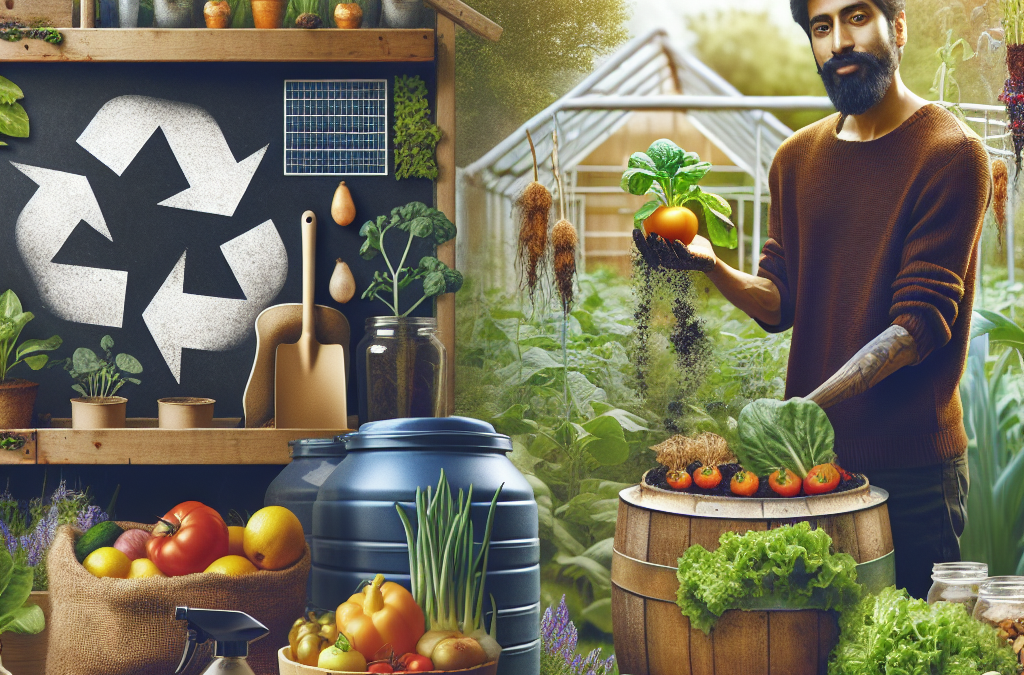
The concept of a self sufficient lifestyle has gained traction in recent years, especially as people seek more control over their lives and a deeper connection to their environment. Imagine growing your own food, generating your own energy, and living without reliance on external systems. This vision of independence is not just a dream; it’s a practical reality that many are embracing through a self sufficient lifestyle.
Adopting a self sufficient lifestyle means making conscious choices that prioritize sustainability, self-reliance, and personal freedom. As we explore this lifestyle, you’ll discover the myriad ways you can reclaim autonomy in an increasingly complex world. From urban homesteading to off-grid living, this article will guide you through the essentials of becoming self-sufficient.
What is a Self Sufficient Lifestyle?
A self sufficient lifestyle can be defined as a way of living where individuals or communities strive to meet their basic needs without external assistance. This can involve various practices, from growing food to harnessing renewable energy sources. Here are some key components that embody this lifestyle:

– **Food Production**: Growing your own fruits, vegetables, and herbs.
– **Water Management**: Utilizing rainwater harvesting or well systems.
– **Energy Independence**: Implementing solar panels or wind turbines.
– **Waste Reduction**: Composting and recycling to minimize waste.
Understanding the essence of a self sufficient lifestyle is crucial for anyone considering this path. It highlights not only the skills required but also the mindset necessary to thrive in a self-reliant manner.
Core Principles of a Self Sufficient Lifestyle
Several foundational principles guide those pursuing a self sufficient lifestyle:
1. **Sustainability**: Making choices that are environmentally friendly and conserve resources for future generations.
2. **Resilience**: Developing the ability to withstand disruptions in food, energy, or water supply.
3. **Community**: Building relationships with neighbors and local organizations to share resources and knowledge.
By focusing on these principles, individuals can create a robust framework for their self-sufficient journey.
Benefits of a Self Sufficient Lifestyle
Choosing a self sufficient lifestyle comes with numerous advantages that extend beyond personal gain. Here are some of the most compelling benefits:
– **Financial Savings**: Reducing dependence on stores means fewer grocery bills and lower utility costs.
– **Healthier Living**: Growing your own food often leads to better nutrition and fewer chemicals.
– **Environmental Impact**: A self sufficient lifestyle typically involves less waste and lower carbon footprints.
– **Personal Fulfillment**: Engaging in hands-on activities can be incredibly rewarding and boost mental well-being.
These benefits not only enhance individual lives but also contribute positively to the community and environment.
Real-World Examples of Self Sufficient Lifestyles
Consider the case of a family that transitioned to a self sufficient lifestyle by starting a small urban farm. They converted their backyard into a vegetable garden and installed a rainwater collection system. Over time, they were able to reduce their grocery bills by 50% while enjoying fresher produce. Such transformations illustrate the tangible benefits of embracing a self sufficient lifestyle.
Steps to Achieving a Self Sufficient Lifestyle
Transitioning to a self sufficient lifestyle requires careful planning and execution. Here’s a step-by-step guide to help you get started:
1. **Assess Your Needs**: Identify what aspects of your life you want to make more self-sufficient, such as food, energy, or water.
2. **Educate Yourself**: Read books, attend workshops, or join online forums focused on self-sufficient practices.
3. **Start Small**: Begin with small projects, like a container garden or a compost bin, and gradually expand your efforts.
4. **Invest in Tools**: Acquire the necessary tools and equipment for self-sufficiency, such as gardening tools or rainwater barrels.
5. **Connect with Others**: Join local groups or online communities to share experiences and learn from others on a similar path.
These steps will not only help you move toward a self sufficient lifestyle but also build your confidence as you gain new skills.
Creating a Self Sufficient Home
When creating a self sufficient home, consider these elements:
– **Energy Efficiency**: Use energy-efficient appliances and consider solar panels.
– **Food Sources**: Establish a garden, and consider raising chickens for eggs.
– **Water Systems**: Implement rainwater harvesting or greywater recycling systems.
By integrating these elements into your home, you can significantly enhance your self sufficiency.
Challenges of a Self Sufficient Lifestyle
While the benefits of a self sufficient lifestyle are numerous, it’s essential to acknowledge the challenges as well. These challenges can include:
– **Initial Costs**: Investing in tools, seeds, or equipment can be expensive upfront.
– **Time Commitment**: Building a self sufficient lifestyle requires a significant time investment for planning, planting, and maintenance.
– **Skill Development**: Many self-sufficient practices require skills that take time to learn, such as gardening or woodworking.
Recognizing these challenges allows individuals to prepare adequately and set realistic expectations for their journey.
Overcoming Obstacles in Self Sufficiency
To successfully navigate the challenges of a self sufficient lifestyle, consider these strategies:
– **Set Realistic Goals**: Start with achievable objectives and progressively tackle more complex projects.
– **Seek Support**: Leverage community resources and networks for guidance and assistance.
– **Be Flexible**: Adapt your plans based on what works best for your specific circumstances.
By adopting a proactive mindset, you can overcome the hurdles associated with a self sufficient lifestyle.
References and Resources
These resources provide valuable information about self sufficient lifestyle. Check them out for additional insights:
Authoritative Sources on self sufficient lifestyle
-
Sustainable Living Resource Center
USA.govA government resource providing insights on sustainable practices and self-sufficiency initiatives.
-
Cooperative Extension System
Extension.orgOffers educational resources on gardening, food preservation, and sustainable living.
-
Mother Earth News
MotherEarthNews.comA leading magazine focused on self-sufficiency, providing articles on food, energy, and homesteading.
-
Permaculture Research Institute
Permaculture.orgFocuses on sustainable agriculture and community resilience, essential components of a self sufficient lifestyle.
-
LocalHarvest
LocalHarvest.orgConnects individuals with local farms and farmers’ markets, promoting local food sources.
-
Earthship Biotecture
EarthshipGlobal.comFocuses on sustainable building techniques using recycled materials to create self-sufficient homes.
-
What Is Sustainability?
NationalGeographic.comInsightful articles on sustainability practices, essential for understanding self-sufficient lifestyles.

-
Trees Are Good
TreesAreGood.orgPromotes tree care and benefits, which can contribute to self-sufficient landscaping.
Frequently Asked Questions
What does it mean to live a self sufficient lifestyle?
A self sufficient lifestyle entails meeting one’s basic needs—such as food, water, and energy—without relying heavily on external assistance. This can involve growing your own food, utilizing renewable energy, and practicing waste reduction techniques.
How can I start transitioning to a self sufficient lifestyle?
Begin by assessing your current needs and identifying areas for improvement. Start small by growing a few herbs or vegetables, and gradually expand your efforts. Educate yourself through books and local workshops, and connect with others on a similar journey.
What are the challenges of a self sufficient lifestyle?
Challenges can include initial investment costs, time commitment, and the need to learn new skills. It’s important to set realistic goals and seek support from communities or networks to overcome these obstacles.
How does a self sufficient lifestyle benefit the environment?
A self sufficient lifestyle promotes sustainable practices that minimize waste and reduce reliance on fossil fuels. By growing your own food and utilizing renewable energy sources, you can significantly lower your carbon footprint and contribute to environmental conservation.
Conclusion
Embracing a self sufficient lifestyle offers a pathway to independence, sustainability, and personal satisfaction. By taking steps to grow your own food, manage your resources, and build a supportive community, you can experience the myriad benefits that come with self-reliance.
As you consider this transformative journey, remember that every small step counts. Whether you’re planting herbs on your balcony or installing solar panels, each effort contributes to a greater sense of freedom and responsibility. Start today, and reclaim your independence through a self sufficient lifestyle.
Find out more information about “self sufficient lifestyle”
Search for more resources and information: