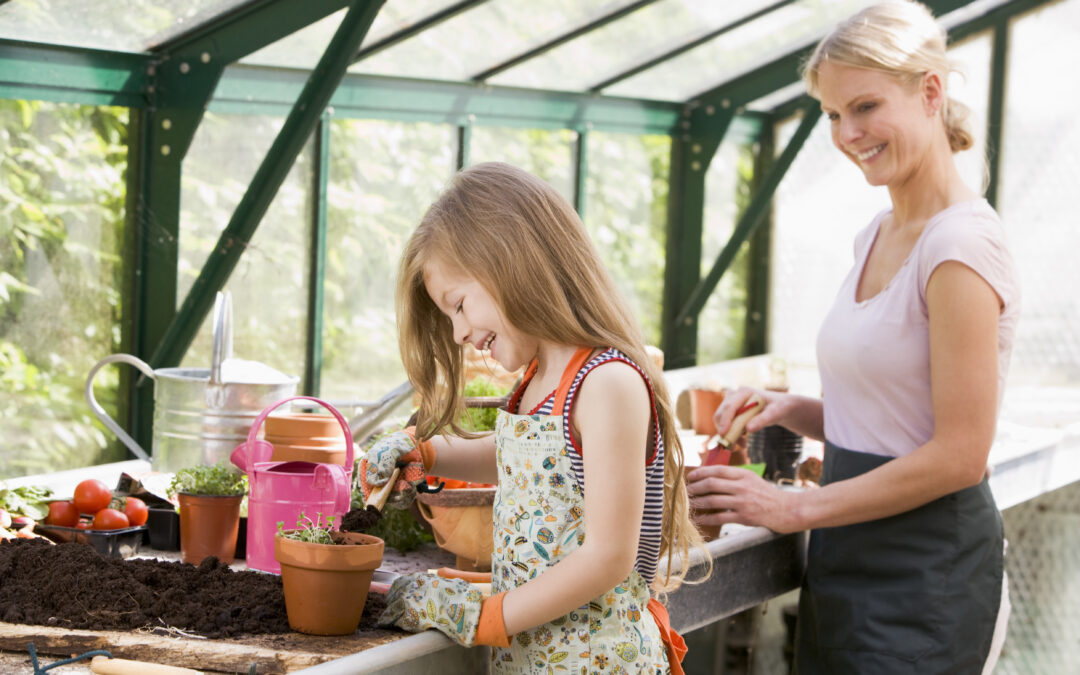
City dwellers, rejoice: you don’t need acres to grow an abundant, organic garden. With a little planning and these clever hacks, even a balcony or windowsill can become a thriving mini-ecosystem. Here’s how to turn small spaces into productive, chemical-free urban edens.
Container Foundations: Choosing Pots, Soil, and Drainage for Success
Start with the basics: containers matter. Choose pots made of breathable materials like terracotta for better moisture regulation, or lightweight resin if you need to move things around. Ensure every container has drainage holes—no exceptions. Add a layer of coarse material (broken clay pots, pebbles) at the bottom only if you can’t elevate the pot; otherwise, use a well-draining potting mix. For soil, pick an organic potting mix blended with compost and coconut coir for structure and moisture retention. Avoid garden soil—it compacts in containers and chokes roots. Amend the mix with perlite for aeration and a handful of slow-release organic fertilizer to give seedlings a gentle start. Repot yearly or top-dress with compost to refresh nutrients.
Vertical & Micro-Gardens: Space-Savvy Planting Techniques
When floor space is scarce, build up. Vertical gardens use walls, trellises, hanging pockets, and repurposed pallets to maximize planting area. Grow vining crops—beans, cucumbers, peas—on concise trellises. Use tiered shelving for herbs and lettuces to capture light gradients. Micro-gardens, like herb rings or stacked planters, create microclimates: warm, sheltered spots for basil and lavender, cooler nooks for mint and cilantro. Pair plants thoughtfully—taller, sun-hungry tomatoes in the back, low lettuces in front. Mix ornamental foliage with edibles to disguise and diversify the space; pollinators and beneficial insects will follow.

Organic Feeding & Natural Pest Control: DIY Amendments and Remedies
Feed plants with kitchen scraps and homemade brews. Compost tea is a simple, nutrient-rich tonic: steep mature compost in water for 24–48 hours, strain, and dilute before applying as a foliar feed or soil drench. Use fish emulsion or seaweed extract sparingly for a mineral boost. For pests, think prevention and gentle remedies. Introduce companion plants—marigolds deter nematodes, nasturtiums attract aphids away from vegetables. Make a garlic-chili spray (blend garlic, hot pepper, a bit of soap, and water) for soft-bodied insects. Diatomaceous earth sprinkled at the base of containers helps control slugs and crawlies. Encourage predators—ladybugs and lacewings—by planting a diversity of blooms and avoiding broad-spectrum pesticides.
Watering, Rotation & Microclimates: Maintenance Hacks for Year-Round Yields
Watering small spaces requires finesse: water deeply and less often to encourage roots to reach down. Use self-watering containers or add a layer of mulch—straw, shredded leaves, or wood chips—to reduce evaporation. Rotate crops seasonally: quick-turn greens in early spring, heat-tolerant peppers and eggplants in summer, then cold-hardy brassicas in fall. Observe microclimates on your balcony—south-facing walls are warmer, corners may trap cold or shade—and place plants accordingly. Regular pruning and deadheading keep growth productive and disease-free. With attention to these simple rhythms, your urban garden will supply fresh flavor and green solace all year long.