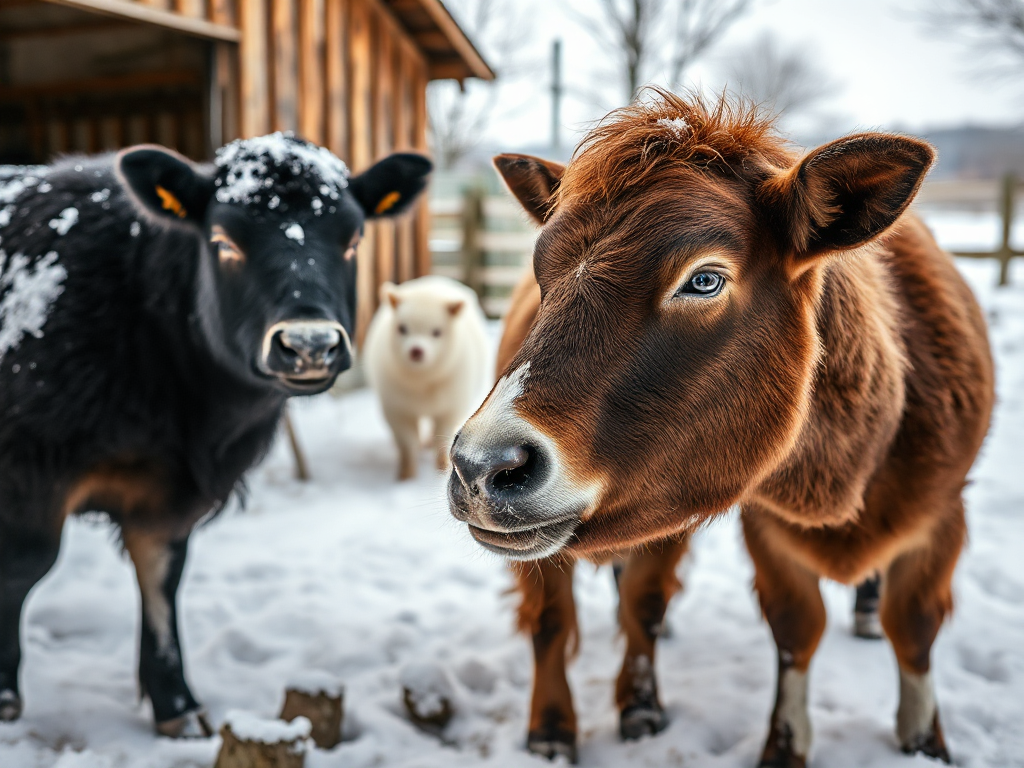
To ensure the health and comfort of homestead animals during winter, focus on providing insulated shelter, adequate nutrition, and regular health monitoring. Insulated barns or sheds protect against cold winds and moisture, while high-energy foods like grains and alfalfa hay help meet increased caloric needs. It's essential to provide fresh water, as freezing conditions can lead to dehydration. Regularly check the shelter's condition and ensure it remains secure to prevent stress and illness among your animals.
Understanding Shelter Needs
Providing adequate shelter for homestead animals during winter is crucial for their health and well-being. Animals require a space that protects them from cold winds, snow, and rain. Insulated structures, such as barns or sheds, should be equipped with proper ventilation to prevent moisture buildup, which can lead to respiratory issues. Make sure the shelter is dry and free from drafts, as consistent exposure to cold air can stress animals and compromise their immune systems.

When designing shelters, consider the specific needs of different animal species. For example, goats and sheep may need higher, dry ground to avoid dampness, while chickens benefit from nesting boxes filled with straw for warmth. Regularly check the condition of the shelter, ensuring it remains secure and functional throughout the winter months.
Nutrition Adjustments for Cold Weather
During winter, animals often require a nutritional boost to maintain energy levels and body heat. Cold temperatures increase their caloric needs, particularly for animals with less body fat. To support their health, provide high-energy foods such as grains, alfalfa hay, and specially formulated winter feed. These foods help animals generate the necessary warmth to survive the cold.
Additionally, ensure that fresh water is available at all times. In freezing conditions, water sources can become ice-bound, leading to dehydration. Consider using heated water bowls or regularly checking and breaking ice in troughs. This combination of proper nutrition and hydration is vital for keeping animals healthy and active throughout the winter.
Health Monitoring and Care
Regular health checks are essential during winter months to identify and address any health issues early. Observe animals for signs of distress, illness, or changes in behavior. Common symptoms to watch for include lethargy, coughing, or unusual eating habits. Keep a close eye on body condition, as weight loss can indicate inadequate nutrition or underlying health problems.
Additionally, consider vaccinations and preventative care, as cold weather can exacerbate existing health issues. Consult with a veterinarian to ensure your animals are up-to-date on their vaccinations and to discuss any health concerns specific to winter conditions. This proactive approach can help prevent illness and ensure the overall well-being of your homestead animals.
Common Mistakes to Avoid
Many homesteaders make mistakes during winter care that can negatively impact animal health. One common error is failing to provide adequate shelter, leading to exposure to harsh elements. Another mistake is not adjusting feeding routines to meet increased caloric needs, which can result in weight loss and decreased health.
Additionally, neglecting to monitor water availability can lead to dehydration, especially for livestock. Ensure that all animals have constant access to fresh, unfrozen water. In closing, avoid overcrowding in shelters, as this can increase stress and the likelihood of disease spread among animals. By recognizing these common pitfalls, you can help ensure your animals thrive during the winter months.
Frequently Asked Questions
What type of bedding is best for winter?
Straw and hay are excellent bedding materials for winter, providing insulation and comfort for animals.
How can I prevent my animal's water from freezing?
Using heated water bowls or regularly checking and breaking ice in troughs can help ensure animals have access to fresh water.
What signs indicate an animal is too cold?
Signs include shivering, huddling together, reduced activity, or unusual vocalizations, indicating discomfort or distress.
Are there special dietary needs for pregnant animals in winter?
Yes, pregnant animals require additional calories and nutrients to support both their health and the developing offspring.
How often should I check on my animals during winter?
Regular daily checks are essential to monitor health, food supply, and shelter conditions, especially in extreme weather.
Conclusion
Proper winter care for homestead animals is vital for their health and well-being. Prioritizing adequate shelter, adjusting nutrition, and closely monitoring health can significantly improve their chances of thriving in cold conditions. By avoiding common mistakes and being proactive in your care approach, you can ensure that your animals remain safe and healthy throughout the winter months.
Further Reading
Authoritative Sources
- MedlinePlus Health Information
medlineplus.govConsumer health information from the U.S. National Library of Medicine.
- CDC Nutrition
cdc.govOfficial public-health nutrition guidance and data.
- USDA FoodData Central
fdc.nal.usda.govOfficial food composition and nutrient data.
- NIH Office of Dietary Supplements
ods.od.nih.govEvidence-based fact sheets about vitamins, minerals, supplements, and nutrition.