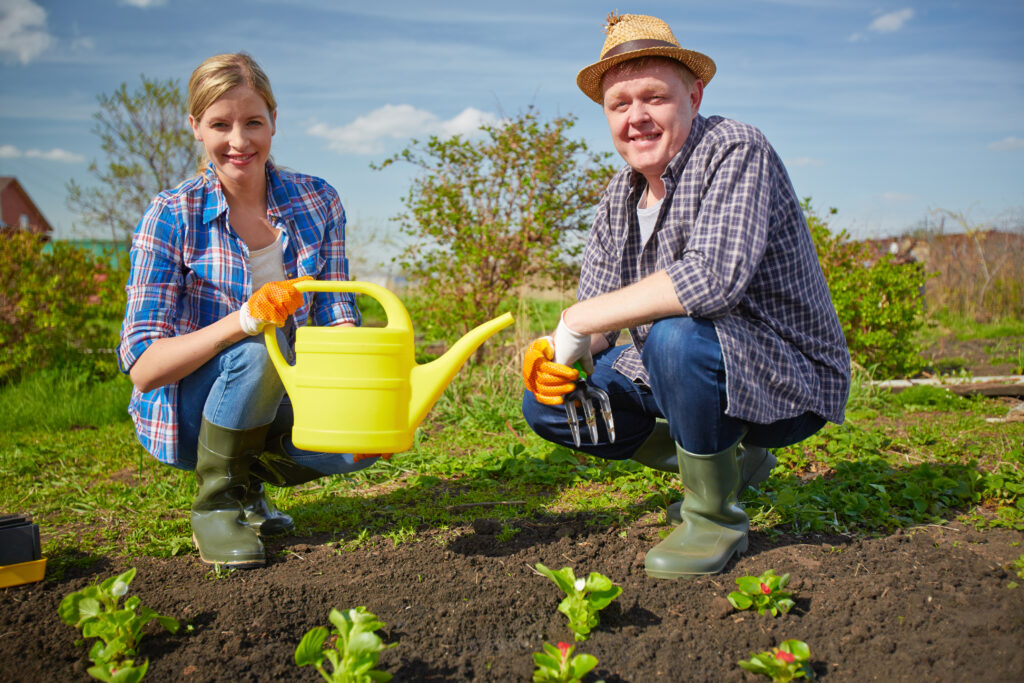
Yes, you can homestead in the suburbs by creatively using limited space for gardening, raising small livestock, and adopting sustainable practices. Start by familiarizing yourself with local zoning laws, as these regulations can influence what you are allowed to do. Utilize vertical gardening techniques to maximize your area, and consider container gardening to grow a variety of plants effectively. Engaging with community resources can provide valuable support and education, helping you to connect with like-minded individuals and enhance your homesteading journey.
Understanding Suburban Homesteading
Suburban homesteading is a practical approach to self-sustainability in residential areas. It allows individuals and families to produce food, reduce waste, and cultivate a deeper connection with nature even in a limited space. The concept emphasizes efficiency, creativity, and community engagement, making it possible to lead a more sustainable lifestyle without the need for extensive land.

Many suburban homes have yards that can be transformed into productive spaces. By understanding the specific limitations and opportunities that come with suburban living, aspiring homesteaders can create a thriving environment. This often involves maximizing the use of vertical space, integrating permaculture principles, and being resourceful with available materials. For instance, utilizing raised beds, container gardening, and companion planting can enhance yield while conserving space.
Gardening Techniques for Small Spaces
Effective gardening in suburban areas requires innovative techniques that adapt to limited space. Container gardening is one of the most popular methods, allowing individuals to grow a variety of plants in small pots or vertical gardens. This approach not only saves space but also makes it easier to manage soil quality and watering.
Additionally, raised beds can provide better drainage and soil control, and they can be constructed from various materials like wood, metal, or recycled materials. Implementing companion planting can also enhance growth; for example, planting tomatoes alongside basil can improve flavor and deter pests. Urban gardeners should prioritize native plants and heirloom varieties that are well-suited to local climates, as they often require less maintenance and are more resilient.
Raising Animals in Suburbs
Raising small livestock is feasible in suburban areas, provided it complies with local regulations. Chickens are a popular choice due to their manageable size and the benefit of fresh eggs. Many suburbs allow residents to keep a limited number of hens, while roosters may be prohibited due to noise regulations.
In addition to chickens, consider keeping rabbits or bees, which can also thrive in smaller spaces. Rabbits require minimal space and can provide meat, fur, and fertilizer, while bees support pollination and produce honey. However, it’s essential to research local ordinances regarding animal husbandry, as some areas have strict rules about keeping livestock.
Legal and Zoning Considerations
Before embarking on a suburban homesteading journey, understanding local zoning laws and regulations is crucial. These laws dictate what types of activities are permissible, including gardening, livestock keeping, and the use of structures like greenhouses or sheds. Checking with local government offices or neighborhood associations can provide clarity on what is allowed.
Many suburban areas have specific restrictions on the number of animals, types of structures permitted, and even the use of certain gardening practices, such as composting. Homesteaders should also consider the impact of their activities on neighbors and the environment. Engaging with the community and obtaining feedback can foster positive relationships and support for homesteading efforts.
Frequently Asked Questions
Can I grow vegetables in my suburban backyard?
Yes, you can grow a variety of vegetables in your suburban backyard using container gardens or raised beds, optimizing space for maximum yield.
What animals can I raise in the suburbs?
Chickens, rabbits, and bees are commonly raised in suburban areas, but be sure to check local regulations regarding livestock.
Are there zoning laws for homesteading activities?
Yes, zoning laws vary by location and can dictate what homesteading activities are allowed, including gardening and animal keeping.
How can I make the most of a small garden space?
Utilize vertical gardening, container gardening, and raised beds to maximize your small garden space effectively.
Conclusion
Homesteading in the suburbs is not only possible but can also be rewarding. By utilizing innovative gardening techniques, raising small animals, and understanding local regulations, you can create a sustainable lifestyle that benefits both yourself and your community. Prioritize community engagement and resourcefulness to navigate the challenges of suburban living effectively.