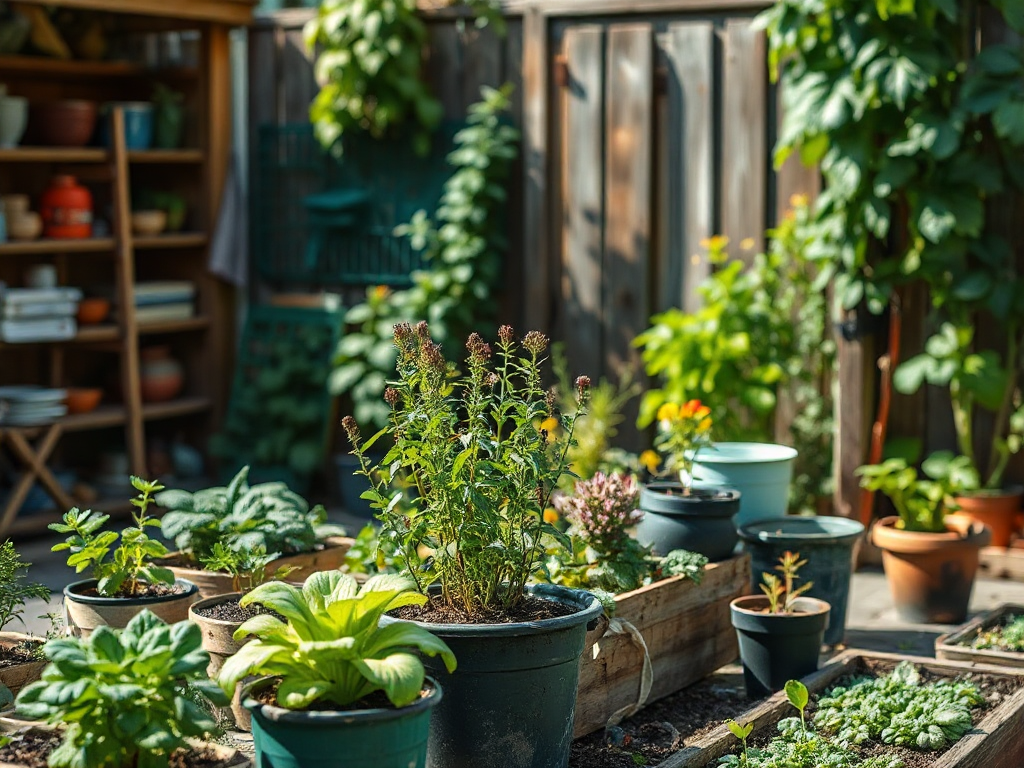
Small space homesteading that works involves utilizing vertical gardening, container planting, and efficient resource management to maximize food production in limited areas. These methods allow urban dwellers to grow their own vegetables and herbs while minimizing the environmental footprint. Key strategies include using vertical structures for climbing plants, selecting compact plant varieties, and implementing rainwater collection systems. By focusing on these practical approaches, you can create a productive and sustainable homestead in even the smallest of spaces.
Understanding Small Space Homesteading
Small space homesteading focuses on maximizing food production and sustainability within limited urban environments. This approach is essential for individuals living in cities or areas with restricted outdoor space. By applying specific techniques, anyone can grow their own food and reduce reliance on commercial agriculture. The primary goal is to create a self-sufficient lifestyle, even in apartments or small backyards.

One common misconception is that you need vast land to start homesteading. In reality, many successful urban homesteaders thrive in small spaces by employing innovative practices. These practices include vertical gardening, container gardening, and efficient resource management. Each method allows for the cultivation of a variety of plants, from herbs to vegetables, without the need for extensive land.
Vertical Gardening Techniques
Vertical gardening is a transformative method for small space homesteaders, allowing for the growth of plants in limited horizontal space. This technique involves utilizing walls, fences, and trellises to support climbing plants, maximizing the vertical area available. By doing so, you can grow more food without needing additional ground space.
For effective vertical gardening, consider using structures such as:
- Trellises: These can be made from wood, metal, or plastic and allow plants like cucumbers and peas to climb.
- Wall Planters: These are great for herbs and flowers, providing an aesthetic element to your space.
- Vertical Garden Kits: Pre-made kits can simplify the setup process and are often designed for specific types of plants.
One common mistake is overcrowding plants, which can lead to competition for sunlight and nutrients. Ensure proper spacing and consider companion planting to enhance growth. Additionally, regular maintenance, such as pruning and watering, is crucial for a thriving vertical garden.
Container Gardening Essentials
Container gardening is another effective strategy for small space homesteading. This method allows you to grow a variety of plants in pots, which can be placed on patios, balconies, or even windowsills. The flexibility of container gardening makes it an accessible option for urban dwellers.
When selecting containers, consider materials such as ceramic, plastic, or recycled materials. Ensure the containers have proper drainage to prevent root rot. Some popular plants for container gardening include:
- Herbs: Basil, parsley, and mint thrive in containers and can be used fresh in cooking.
- Vegetables: Tomatoes, peppers, and lettuce can be successfully grown in pots.
- Flowers: Adding flowering plants can attract pollinators and enhance the beauty of your space.
To maximize yield, consider using high-quality potting soil and organic fertilizers. Regular watering is essential, especially during hot weather, as containers can dry out quickly. Keep an eye on plant health and be prepared to adjust your care routine as needed.
Efficient Resource Management
Efficient resource management is crucial for successful small space homesteading. This involves optimizing water usage, minimizing waste, and utilizing renewable resources. Implementing sustainable practices not only benefits your garden but also contributes to a healthier environment.
One effective method is rainwater collection. By installing a rain barrel, you can capture rainwater for irrigation, reducing your dependence on municipal water sources. Additionally, consider composting kitchen scraps and yard waste to create nutrient-rich soil for your plants. This practice reduces landfill waste and enriches your garden.
Another important aspect of resource management is energy efficiency. Utilize natural light as much as possible and consider growing plants that thrive in low-light conditions if your space lacks sunlight. This approach not only saves energy but also promotes healthier plants.

For those looking to delve deeper into small space homesteading, consider exploring various books, online resources, and local workshops that focus on urban gardening techniques and sustainable living practices. Engaging with local gardening communities can also provide valuable insights and support.
Frequently Asked Questions
What can I grow in a small space?
You can grow a variety of plants in small spaces, including herbs, tomatoes, peppers, and leafy greens. Vertical gardening and container gardening are effective methods for maximizing space.
How do I start vertical gardening?
Begin by selecting a suitable location with adequate sunlight. Choose climbing plants and install trellises or wall planters to support their growth.
Is container gardening expensive?
Container gardening can be affordable, especially if you use recycled materials. Invest in good quality soil and plants for the best results.
How can I conserve water in my garden?
Utilize rain barrels to collect rainwater and employ drip irrigation systems for efficient watering. Mulching can also help retain moisture in the soil.
What are the benefits of composting?
Composting reduces waste and produces nutrient-rich soil for your garden. It enhances soil health and promotes sustainable gardening practices.
Conclusion
Small space homesteading is not only feasible but can be incredibly rewarding. By employing techniques such as vertical gardening, container gardening, and efficient resource management, you can create a productive urban garden that contributes to your self-sufficiency. Focus on selecting the right plants for your space, maintaining proper care, and utilizing sustainable practices to maximize your yield. With dedication and creativity, anyone can thrive in small space homesteading.
Further Reading
Authoritative Sources
- Cooperative Extension Gardening Resources
extension.orgResearch-based gardening, soil, plant-care, and home-growing education.
- EPA Safe Pest Control
epa.govOfficial information for safer pest-management decisions.
- USDA National Agricultural Library
nal.usda.govAgricultural and plant-science research resources.
- USDA NRCS Soil Resources
nrcs.usda.govOfficial soil health, conservation, and water-management information.