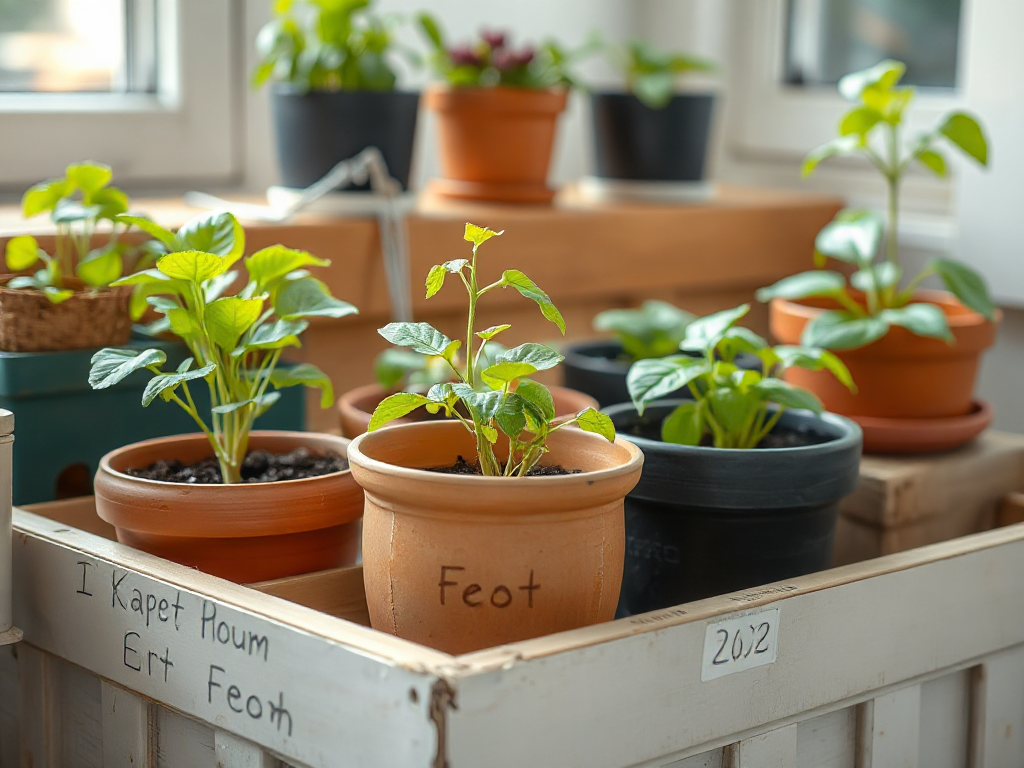
Apartment homesteading food production methods include container gardening, vertical gardening, and hydroponics, allowing urban dwellers to grow food in limited spaces. These methods maximize small areas by using pots, wall structures, or water-based systems, making it possible to cultivate herbs, vegetables, and fruits indoors or on balconies. Utilizing sunlight effectively and managing water supply are key to success in these environments.
Container Gardening
Container gardening is a fundamental method for apartment homesteading, allowing individuals to grow plants in pots, boxes, or other containers. This method is ideal for urban environments where ground space is limited. Choosing the right containers, such as pots with drainage holes, can significantly impact plant health.

Plants like tomatoes, peppers, and herbs thrive in containers, provided they receive adequate sunlight and water. A common misconception is that container gardening requires constant attention; however, once established, many plants can be low-maintenance. The key is to ensure proper soil quality and drainage to prevent root rot.
Additionally, consider the placement of containers. Balconies, windowsills, and even indoor spaces can be utilized effectively. For example, utilizing a south-facing balcony can enhance sunlight exposure, promoting better growth. Regularly rotating plants can also help in maximizing light exposure.
Vertical Gardening
Vertical gardening is another innovative approach suitable for small spaces. By utilizing vertical structures such as trellises, wall-mounted planters, or hanging baskets, gardeners can grow a variety of plants without needing extensive ground space. This method not only saves space but also adds visual interest to living areas.
Common plants for vertical gardening include climbing beans, peas, and strawberries. When setting up a vertical garden, ensure that the structure is sturdy enough to support the weight of the plants. It’s essential to consider sunlight availability, as vertical gardens can sometimes create shaded areas that may hinder plant growth.
One effective strategy is to plant taller plants at the back and shorter ones at the front, ensuring each plant receives adequate light. Regular maintenance, such as pruning and checking for pests, is crucial to keep the garden healthy and productive.
Hydroponics and Aquaponics
Hydroponics and aquaponics are advanced methods of growing plants without soil, using nutrient-rich water instead. Hydroponics typically involves growing plants in a water solution, while aquaponics combines fish farming with plant cultivation, creating a symbiotic environment where fish waste provides nutrients for the plants.
These methods are particularly advantageous in apartments as they can be set up indoors, utilizing minimal space while producing high yields. Hydroponic systems can be as simple as a nutrient film technique (NFT) or as complex as aeroponic setups. Beginners often start with simpler systems, gradually moving to more complex setups as they gain experience.
While hydroponics requires careful monitoring of pH levels and nutrient concentrations, aquaponics introduces the added layer of fish care. This method can yield both vegetables and protein, making it highly efficient for urban homesteaders. It’s essential to research suitable fish species and plant varieties that thrive in such systems.
Utilizing Indoor Spaces
Indoor spaces offer unique opportunities for food production in apartments. Utilizing windowsills, countertops, or even dedicated grow lights can enhance the growing environment for various plants. Herbs, leafy greens, and dwarf fruit trees are ideal candidates for indoor gardening.
When growing indoors, consider factors such as light quality and temperature. LED grow lights can supplement natural light and are energy-efficient, making them an excellent choice for year-round gardening. Maintaining proper humidity levels is also crucial; using a humidifier can help sustain a favorable environment for plant growth.
Common pitfalls include overcrowding plants and neglecting pest management. Regularly check for signs of pests and diseases, and ensure adequate spacing between plants to promote airflow. By utilizing these techniques, apartment dwellers can successfully grow fresh produce indoors.
Frequently Asked Questions
What are the best plants for container gardening in an apartment?
Herbs, peppers, tomatoes, and salad greens are excellent choices for container gardening due to their adaptability and relatively low maintenance needs.
How can I maximize sunlight for my indoor plants?
Place plants near south-facing windows or use grow lights to supplement natural light, ensuring they receive at least 12 hours of light daily.
Is hydroponics suitable for beginners?
Yes, beginners can start with simple hydroponic systems like Kratky or nutrient film techniques, which require less monitoring and maintenance.
What common mistakes should I avoid in vertical gardening?
Avoid overcrowding plants and ensure adequate support for climbing species; also, monitor for pests that can thrive in dense growth.
Can I grow vegetables indoors year-round?
Yes, with appropriate lighting and temperature control, many vegetables can be grown indoors throughout the year, including leafy greens and herbs.
Conclusion
Apartment homesteading food production methods offer viable solutions for urban dwellers seeking to grow their own food. By employing techniques such as container gardening, vertical gardening, and hydroponics, individuals can effectively utilize limited space to cultivate fresh produce. Prioritizing light management, proper plant selection, and regular maintenance will enhance the success of these methods. Embrace the opportunity to grow food at home, contributing to self-sufficiency and sustainability in urban environments.