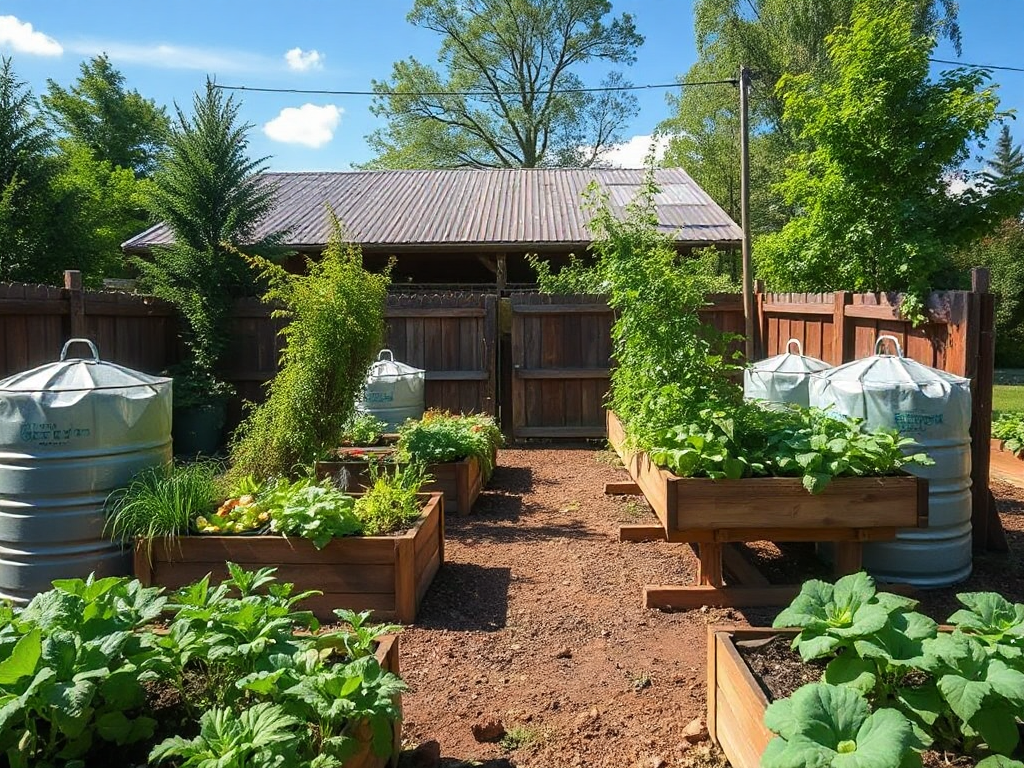
Backyard systems for total food production utilize sustainable gardening techniques to create a self-sufficient food source. By incorporating methods like permaculture and companion planting, gardeners can cultivate a diverse range of crops that thrive together, enhancing both yield and ecosystem health. Prioritizing soil health through composting and crop rotation is essential, as it lays the foundation for robust plant growth. Additionally, implementing efficient water management strategies, such as rainwater harvesting, can significantly reduce water usage while ensuring plants receive the moisture they need. These practices not only provide fresh produce year-round but also contribute to environmental sustainability and reduced reliance on commercial food sources.
Understanding Backyard Food Production Systems
Backyard systems for total food production encompass various sustainable gardening techniques designed to maximize output while minimizing environmental impact. These systems prioritize local food production, which reduces reliance on commercial agriculture and contributes to food security. By integrating methods such as permaculture and companion planting, gardeners can create a diverse ecosystem that supports both plant and animal life.

The significance of these backyard systems lies in their ability to transform ordinary spaces into thriving food sources, allowing individuals to grow a wide range of vegetables, fruits, and herbs throughout the year. Such systems not only provide fresh produce but also enhance soil health, promote biodiversity, and reduce carbon footprints.
Key Components of Effective Backyard Systems
To successfully implement backyard systems for total food production, several key components must be considered:
- Soil Health: Healthy soil is foundational for any successful garden. Techniques such as composting, mulching, and crop rotation can enhance soil fertility and structure.
- Diversity of Crops: Planting a variety of crops can improve resilience against pests and diseases. Companion planting, where certain plants are grown together for mutual benefit, can further optimize this diversity.
- Water Management: Efficient irrigation systems, such as drip irrigation or rainwater harvesting, can help conserve water and ensure that plants receive adequate moisture.
- Seasonal Planning: Understanding the growing seasons and planning accordingly allows gardeners to maximize their harvests throughout the year.
By focusing on these components, gardeners can create a balanced ecosystem that supports sustainable food production.
Common Mistakes in Backyard Food Production
While implementing backyard systems for food production can be rewarding, several common mistakes can hinder success:
- Neglecting Soil Testing: Failing to test soil can lead to nutrient deficiencies or imbalances that affect plant growth.
- Overplanting: Many gardeners underestimate the space plants need. Overcrowded plants compete for resources, leading to poor yields.
- Ignoring Pest Management: Not monitoring for pests can result in infestations that damage crops. Integrated pest management strategies can help maintain healthy plants.
- Underestimating Water Needs: Plants require consistent watering, especially in dry spells. Inadequate water can stress plants and reduce productivity.
Avoiding these pitfalls is crucial for achieving a productive and sustainable backyard food system.
Real-World Examples of Successful Backyard Systems
Successful backyard systems for total food production can be seen in various formats, from urban gardens to suburban homesteads:
One notable example is the use of vertical gardening in small urban spaces. This method allows gardeners to maximize limited space by growing plants upwards, utilizing trellises, walls, or hanging containers. Vertical gardens can support a variety of crops, including tomatoes, beans, and herbs.
Another effective approach is the implementation of raised beds. These structures improve soil drainage and temperature control, leading to healthier plants. Raised beds can be filled with high-quality soil and compost, creating an ideal environment for growing diverse crops.
Community gardens also exemplify successful backyard systems, where neighbors collaborate to cultivate shared plots. This fosters community engagement while providing fresh produce to participants.

Frequently Asked Questions
What are the benefits of backyard food production?
Backyard food production offers fresh produce, reduced grocery costs, and a lower environmental impact by decreasing reliance on commercial agriculture.
How can I improve my soil quality for gardening?
Improving soil quality can be achieved through composting, adding organic matter, and practicing crop rotation to maintain nutrient levels.
What is companion planting?
Companion planting involves growing different plants together to enhance growth, repel pests, and improve yields through beneficial relationships.
How often should I water my backyard garden?
Watering frequency depends on the plants and climate, but generally, gardens should receive about an inch of water per week, adjusting for rainfall.
Can I grow food in small spaces?
Yes, small spaces can be utilized for food production through methods like container gardening, vertical gardening, and raised beds.
Conclusion
Implementing backyard systems for total food production can transform your gardening experience, providing fresh produce while promoting sustainability. By understanding key components such as soil health, crop diversity, and effective water management, you can create a thriving ecosystem in your own backyard. Avoiding common mistakes will further enhance your success. As you explore these systems, consider practical examples and adapt them to your unique space for optimal results.
Further Reading
Authoritative Sources
- Cooperative Extension Gardening Resources
extension.orgResearch-based gardening, soil, plant-care, and home-growing education.
- EPA Safe Pest Control
epa.govOfficial information for safer pest-management decisions.
- USDA National Agricultural Library
nal.usda.govAgricultural and plant-science research resources.
- USDA NRCS Soil Resources
nrcs.usda.govOfficial soil health, conservation, and water-management information.