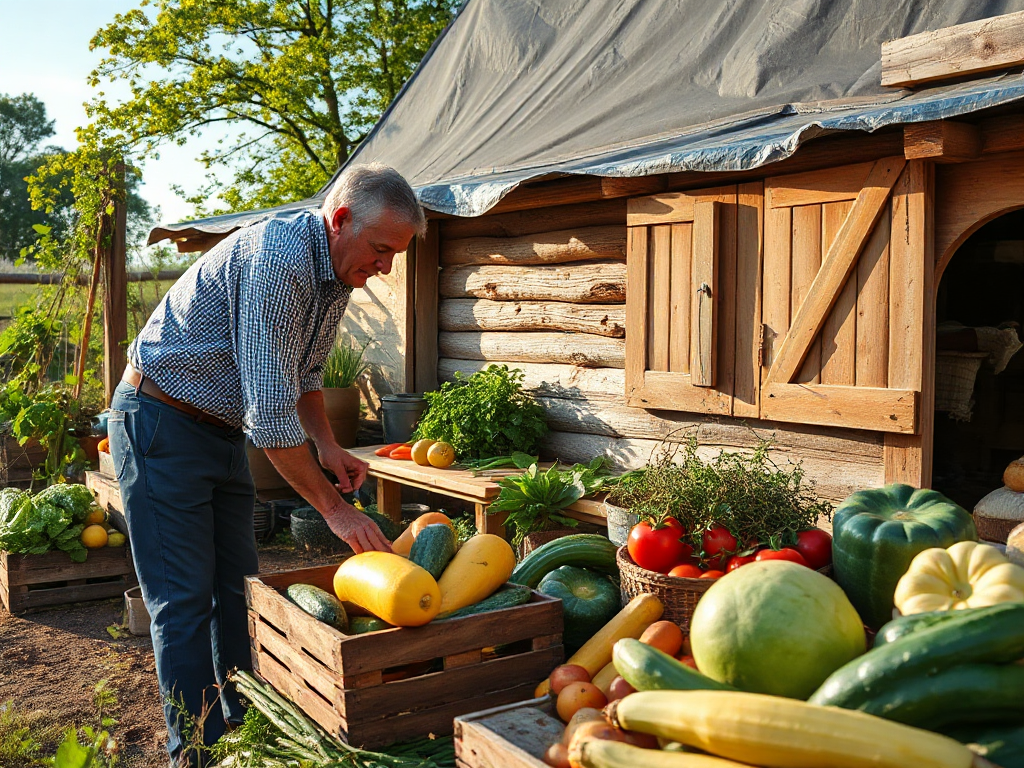
Building long term food security requires a multifaceted approach that emphasizes sustainable agricultural practices and community engagement. Utilizing techniques like permaculture and crop rotation can enhance soil health and biodiversity, leading to improved crop yields and nutritional quality. Additionally, supporting local food systems through community-supported agriculture (CSA) fosters economic resilience and reduces reliance on external supply chains. Prioritizing the cultivation of diverse, nutrient-dense crops and developing effective food preservation methods are essential for maintaining a steady food supply, especially in the face of economic or environmental challenges.
Understanding Food Security
Food security is the state where all people have physical, social, and economic access to sufficient, safe, and nutritious food that meets their dietary needs for an active and healthy life. It is crucial to recognize that food security is not just about having enough food but also about having access to the right kind of food consistently. Building long term food security requires understanding the factors that contribute to food availability, access, utilization, and stability.

One common misconception is that food security solely depends on purchasing power; however, environmental sustainability, agricultural practices, and community resilience are equally vital. For instance, regions that rely heavily on a single crop may find themselves vulnerable to market fluctuations and climate change impacts. A diversified approach that includes various crops and food sources can mitigate these risks and enhance food security.
Key Strategies for Building Food Security
Implementing effective strategies is essential for establishing long-term food security. One significant method is adopting sustainable agricultural practices. Techniques such as permaculture, agroecology, and crop rotation not only improve soil health but also increase biodiversity, which is crucial for resilient food systems. These practices can lead to higher yields and better nutritional quality, contributing to food security.
Another strategy is to focus on local food systems. Supporting local farmers and community-supported agriculture (CSA) programs can strengthen the local economy and reduce dependence on external supply chains. By investing in local agriculture, communities can ensure a more stable food supply, particularly during times of crisis.
Moreover, developing food preservation skills is vital. Techniques such as canning, freezing, and dehydrating allow individuals to store surplus food and extend its shelf life. This not only reduces waste but also provides a safety net during lean seasons.
Essential Foods for Long Term Storage
Choosing the right foods for long term storage is a critical component of building food security. Foods that are nutrient-dense and have a long shelf life should be prioritized. Examples include grains like rice and quinoa, legumes such as beans and lentils, and starchy vegetables like potatoes and sweet potatoes.
Additionally, incorporating high-nutrient foods like nuts, seeds, and freeze-dried fruits can enhance the nutritional profile of your stored food supply. When planning for long term storage, it’s important to consider food preservation methods that maintain the quality and safety of these foods.
Common mistakes include underestimating the importance of rotation in food storage. Implementing a first-in-first-out (FIFO) system ensures that older stock is used before newer stock, reducing the risk of spoilage. Regularly checking stored food for pests and damage is also essential for maintaining an effective food storage system.
Community Involvement and Resource Sharing
Building long term food security is not solely an individual effort; community involvement plays a crucial role. By creating networks for resource sharing, communities can enhance their resilience against food shortages. Initiatives such as seed exchanges, community gardens, and cooperative buying groups can foster collaboration and knowledge sharing.
Engaging with local organizations or participating in food policy councils can also amplify efforts towards food security. These platforms allow individuals to voice their needs and contribute to collective solutions that address food access and availability challenges. Community involvement not only strengthens local food systems but also builds social ties, making communities more resilient in the face of adversity.

Frequently Asked Questions
What is long term food security?
Long term food security refers to the ability to consistently access sufficient, safe, and nutritious food over an extended period, ensuring dietary needs are met.
How can I improve my food storage methods?
Improving food storage methods involves using airtight containers, practicing FIFO rotation, and regularly checking for pests or spoilage.
What are some sustainable farming practices?
Sustainable farming practices include crop rotation, permaculture, organic farming, and agroforestry, which enhance soil health and biodiversity.
Why is community involvement important for food security?
Community involvement fosters collaboration, resource sharing, and collective problem-solving, making local food systems more resilient and sustainable.
What foods should I prioritize for long term storage?
Prioritize nutrient-dense foods with long shelf lives, such as grains, legumes, starchy vegetables, nuts, and freeze-dried fruits for long term storage.
Further Reading
Authoritative Sources
Conclusion
Building long term food security is a multifaceted process that requires a strategic approach to food production, preservation, and community engagement. By understanding the importance of sustainable practices, choosing the right foods, and fostering community connections, individuals can create a resilient food system that withstands challenges. Prioritize local resources and sustainable methods to secure your food supply and contribute to a healthier community.