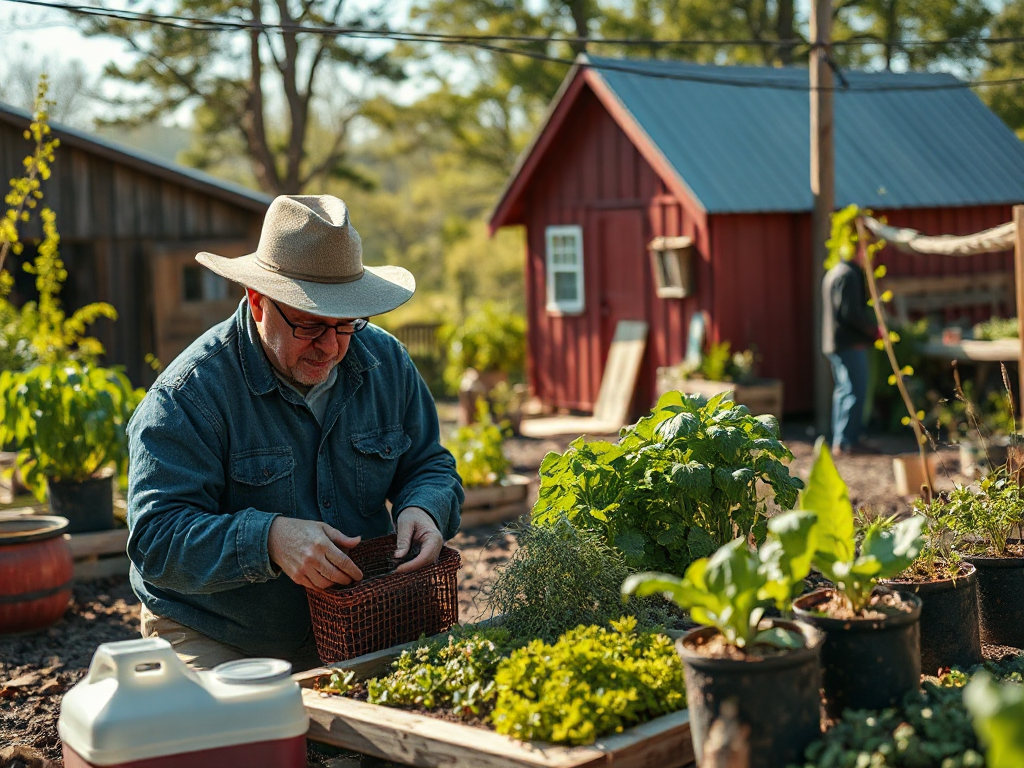
Creating resilient homestead systems involves integrating diverse agricultural practices, utilizing renewable resources, and fostering biodiversity. Start by implementing permaculture principles to design your layout, incorporate water management techniques like rainwater harvesting, and choose crops that thrive in your local climate. Prioritize soil health and composting to maintain fertility, while also considering companion planting to enhance pest control and yield. A well-planned system will increase productivity and reduce reliance on external inputs, making your homestead more sustainable in the long run.
Understanding Resilience in Homesteading
Resilience in homesteading refers to the ability to adapt and thrive amidst challenges such as climate change, economic fluctuations, and resource scarcity. This concept is crucial as it allows homesteaders to maintain productivity while minimizing their environmental impact. A resilient homestead can withstand shocks and stresses by employing strategies that enhance sustainability and efficiency.

To achieve resilience, it’s essential to recognize the interconnectedness of various components within your homestead. This includes understanding how soil health, water management, crop diversity, and livestock integration work together to create a robust system. Fostering these relationships not only improves your homestead’s productivity but also its ecological balance.
Key Components of Resilient Systems
Several key components contribute to building resilient homestead systems. These components include:
- Diversity: Incorporating a variety of plants and animals can enhance ecosystem stability. Diverse crops can reduce pest outbreaks and improve soil health.
- Soil Health: Healthy soil is the foundation of a productive homestead. Practices like crop rotation, cover cropping, and composting enrich the soil and promote microbial activity.
- Water Management: Efficient water management systems, such as rainwater harvesting and greywater recycling, ensure that water resources are used sustainably.
- Energy Efficiency: Utilizing renewable energy sources, like solar and wind power, can reduce reliance on fossil fuels and lower operational costs.
- Community Engagement: Building connections with local farmers and homesteaders fosters knowledge exchange and resource sharing, enhancing overall resilience.
Practical Steps to Implement Resilience
Implementing resilient homestead systems requires careful planning and execution. Here are some practical steps to consider:
- Design with Permaculture Principles: Start by designing your homestead layout using permaculture principles, which emphasize working with nature rather than against it. Create zones that optimize energy use, minimize waste, and enhance productivity.
- Incorporate Water Management Techniques: Install rainwater collection systems and create swales to manage water flow. This not only conserves water but also prevents erosion and promotes groundwater recharge.
- Focus on Soil Health: Regularly amend your soil with organic matter, such as compost or well-rotted manure, to maintain fertility. Implementing no-till practices can also help protect soil structure.
- Choose Climate-Appropriate Crops: Select plants that are well-suited to your local climate and soil conditions. This reduces the need for artificial inputs and increases resilience to environmental changes.
- Implement Companion Planting: Utilize companion planting strategies to enhance pest control and improve crop yields. Some plants can naturally deter pests or attract beneficial insects.
Common Mistakes to Avoid
While striving for resilience, it’s essential to avoid certain pitfalls:
- Neglecting Soil Health: Focusing solely on crop production without maintaining soil health can lead to long-term degradation. Always prioritize soil amendments and microbial activity.
- Overcomplicating Systems: Creating overly complex systems can lead to inefficiencies and increased maintenance. Keep designs simple and manageable.
- Ignoring Local Conditions: Failing to consider local climate and soil conditions can result in poor crop performance. Always tailor your practices to your specific environment.
- Underestimating Community Resources: Not leveraging local knowledge and resources can limit your homestead’s potential. Engage with your community for support and shared learning.
Frequently Asked Questions
What are the benefits of creating resilient homestead systems?
Resilient homestead systems enhance food security, reduce dependency on external resources, and improve ecological health, leading to sustainable living.
How can I improve soil health on my homestead?
Improving soil health can be achieved through practices like composting, crop rotation, cover cropping, and minimizing soil disturbance.
What role does biodiversity play in resilience?
Biodiversity contributes to ecosystem stability, reduces pest outbreaks, and allows for a greater range of crops and livestock, enhancing overall resilience.
How do I manage water sustainably on my homestead?
Sustainable water management can include rainwater harvesting, greywater recycling, and designing landscapes that promote water retention and reduce runoff.
What common mistakes should I avoid?
Avoid neglecting soil health, overcomplicating systems, ignoring local conditions, and underestimating community resources to ensure a resilient homestead.
Conclusion
Building resilient homestead systems is a multifaceted approach that requires attention to diversity, soil health, and resource management. By implementing practical strategies and avoiding common pitfalls, you can create a sustainable living environment that thrives despite challenges. Focus on integrating natural processes and local resources to enhance the resilience of your homestead, ensuring a productive and harmonious relationship with your land.