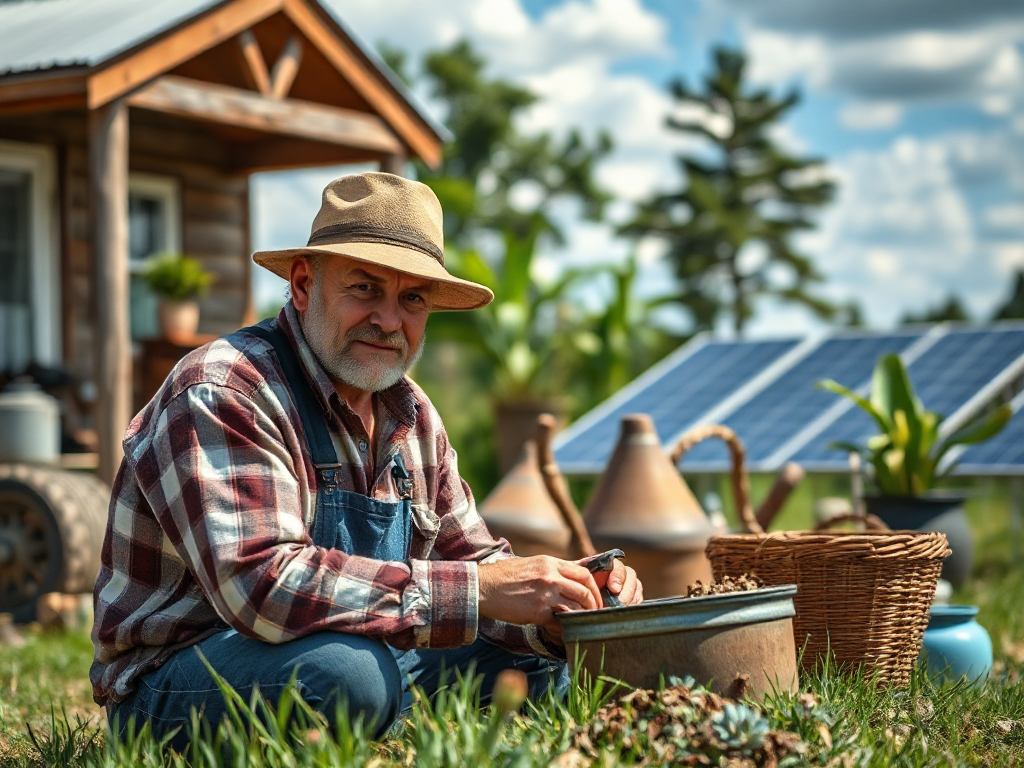
A sustainable homestead is built on principles that prioritize ecological balance, resource efficiency, and self-sufficiency. Utilizing renewable energy sources like solar panels and wind turbines can significantly reduce reliance on fossil fuels, while permaculture practices enhance soil health through crop diversity and natural fertilizers. Effective water management techniques are essential for maintaining resources, and integrating a variety of crops and livestock fosters biodiversity, making the homestead more resilient to environmental changes. Regularly assessing these elements ensures the homestead adapts and thrives sustainably over time.
The Role of Renewable Energy
Utilizing renewable energy sources is essential for achieving sustainability in a homestead. Solar panels, wind turbines, and biomass systems can significantly reduce dependence on fossil fuels, lowering carbon footprints and energy costs. For instance, installing solar panels can provide a reliable electricity source, making it easier to power tools, appliances, and heating systems without relying on grid electricity.

Moreover, renewable energy systems can be integrated into daily operations, such as powering water pumps or heating greenhouses. This self-sufficiency not only enhances resilience but also lowers the overall operational costs of the homestead. However, it is crucial to assess initial investment costs and maintenance requirements, as these can vary widely based on location and technology.
Permaculture Principles for Soil Health
Permaculture is a design philosophy that aims to create sustainable and self-sufficient agricultural systems. One of its core principles is enhancing soil health through diverse cropping systems, composting, and natural fertilizers. Healthy soil is fundamental for productive agriculture, as it supports plant growth and prevents erosion.
Implementing crop rotation, cover cropping, and mulching are effective strategies to maintain soil fertility and structure. For example, rotating legumes with other crops can fix nitrogen in the soil, reducing the need for synthetic fertilizers. Additionally, using organic compost enriches the soil with essential nutrients while improving moisture retention. However, managing soil health requires ongoing observation and adjustment, as soil conditions can change with seasons and practices.
Water Management Techniques
Effective water management is critical for sustainable homesteading, especially in areas prone to drought or erratic rainfall. Techniques such as rainwater harvesting, greywater recycling, and creating swales can optimize water use and enhance resilience against water scarcity.
For instance, installing rain barrels to collect rooftop runoff can provide a supplementary water source for irrigation and livestock. Additionally, swales—contoured ditches that direct water flow—can help retain moisture in the soil and reduce runoff. However, it’s important to evaluate local regulations regarding water collection and ensure that systems installed are efficient and environmentally friendly.
Biodiversity in Crops and Livestock
Integrating biodiversity within a homestead is vital for creating a resilient ecosystem. This involves planting a variety of crops and raising different livestock species, which can help mitigate risks associated with pests, diseases, and climate changes. Biodiversity supports ecosystem health and can lead to more stable yields over time.
For example, companion planting—growing different plants together—can enhance pest control and pollination. Additionally, including animals like chickens or goats can help control weeds and provide natural fertilizers. However, it’s essential to plan for the needs of various species to ensure compatibility and minimize competition for resources.
Frequently Asked Questions
What are the key components of a sustainable homestead?
A sustainable homestead typically includes renewable energy sources, effective water management, diverse crops and livestock, and practices that enhance soil health.
How can I improve soil health on my homestead?
Improving soil health can be achieved through crop rotation, composting, and the use of organic fertilizers, which enhance nutrient availability and soil structure.
What water management practices should I implement?
Consider implementing rainwater harvesting systems, greywater recycling, and swales to optimize water usage and improve retention in your homestead.
Why is biodiversity important in homesteading?
Biodiversity promotes ecosystem resilience, reduces pest and disease risks, and can lead to more stable and productive yields over time.
What role does renewable energy play in sustainability?
Renewable energy sources reduce reliance on fossil fuels, lower greenhouse gas emissions, and help create a self-sufficient energy system for the homestead.
Conclusion
Creating a sustainable homestead involves integrating renewable energy, improving soil health, managing water wisely, and fostering biodiversity. Prioritizing these elements can lead to a resilient and productive living environment. To enhance sustainability, consider implementing diverse practices tailored to your specific conditions and continually learning from your experiences.