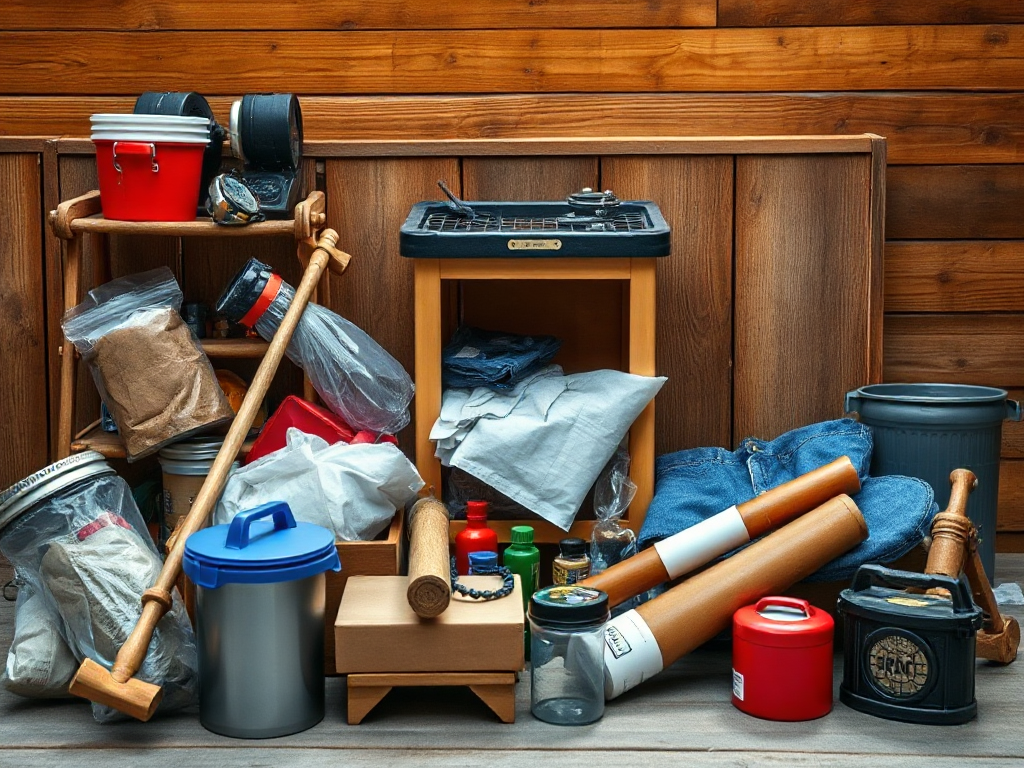
Emergency readiness for self reliance involves preparing for unforeseen events by stockpiling essential supplies and developing practical strategies to ensure personal safety and resource availability. Key components include creating a comprehensive emergency kit containing food, water, medical supplies, and tools, as well as establishing a communication plan with family members. It is vital to regularly assess and update your preparedness plans to adapt to changing circumstances.
Understanding Emergency Readiness
Emergency readiness for self reliance encompasses the proactive steps individuals take to prepare for unexpected situations such as natural disasters, economic crises, or personal emergencies. It is crucial because these events can disrupt daily life, making it difficult to access basic needs like food, water, and medical care. By being prepared, you can reduce panic and improve your ability to respond effectively when faced with challenges.

The essence of emergency readiness lies in understanding the potential risks you face based on your location and lifestyle. For instance, those living in hurricane-prone areas should consider different preparations compared to individuals in regions susceptible to wildfires or flooding. This tailored approach ensures that your readiness efforts are relevant and practical.
Building Your Emergency Supply Kit
A well-stocked emergency supply kit is a cornerstone of effective emergency readiness. This kit should include essential items that can sustain you and your family for at least 72 hours. Key components include non-perishable food, water (at least one gallon per person per day), first aid supplies, flashlights, batteries, and important documents.
When assembling your kit, consider the specific needs of your family members, including any dietary restrictions or medical requirements. For example, if you have infants, include baby formula and diapers. Regularly check and update your kit to ensure that food and medications are not expired.
In addition to the basic supplies, think about tools and equipment that can aid in emergency situations. Items like a multi-tool, duct tape, and a portable phone charger can be invaluable. Furthermore, include a whistle to signal for help and a map of your local area in case GPS systems fail.
Creating a Sustainable Emergency Plan
Having a solid emergency plan is just as important as having supplies. Your plan should outline how your family will communicate during a crisis, where you will meet if you need to evacuate, and how you will access essential resources. Consider establishing a designated point of contact outside your immediate area who can relay information if local communication lines are disrupted.
Practice your emergency plan regularly. Conduct drills that simulate different scenarios such as fires, floods, or power outages. This will help everyone understand their roles and responsibilities, making them more prepared and less anxious when real emergencies occur.
Additionally, consider the long-term aspects of self reliance in emergencies. This may involve learning skills such as gardening, basic medical care, or how to purify water. These skills can provide additional layers of security and independence in crisis situations.
Common Mistakes in Emergency Preparedness
Despite the best intentions, many individuals make critical mistakes in their emergency preparedness efforts. One common error is underestimating the amount of food and water needed. It’s essential to have enough supplies to last for several days, as access to stores may be limited during a crisis.
Another mistake is failing to consider the unique needs of all family members. For instance, not accounting for pets, elderly relatives, or individuals with disabilities can leave vulnerable members of your household unprepared.
In summary, many people neglect to review and update their emergency plans and kits regularly. Changes in family dynamics, dietary needs, or living situations can affect what you need. Regularly assessing and adjusting your preparedness ensures that you remain ready for any situation.

For more detailed information on emergency preparedness, consider exploring resources from reputable organizations such as the Federal Emergency Management Agency (FEMA) and the Red Cross, which provide comprehensive guides and checklists tailored to various emergency scenarios.
Frequently Asked Questions
What should I include in my emergency supply kit?
Your emergency supply kit should include non-perishable food, water, first aid supplies, flashlights, batteries, a multi-tool, and important documents.
How often should I update my emergency plan?
You should review and update your emergency plan at least once a year or whenever there are significant changes in your family dynamics or living situation.
Why is it important to have an emergency communication plan?
An emergency communication plan ensures that family members can stay in contact and coordinate responses during a crisis when traditional communication methods may fail.
What are some common mistakes in emergency preparedness?
Common mistakes include underestimating food and water needs, failing to consider the unique needs of all family members, and neglecting to update plans and supplies regularly.
How can I learn more about self-reliance skills?
You can learn self-reliance skills through local workshops, online courses, and community programs focused on emergency preparedness, gardening, and basic survival skills.
Conclusion
Emergency readiness for self reliance is essential for ensuring that you and your family can navigate unforeseen challenges effectively. By building a comprehensive supply kit, creating a sustainable emergency plan, and avoiding common mistakes, you can enhance your preparedness and peace of mind. Regularly reviewing and updating your strategies will keep you ready for any situation, allowing you to act confidently and resourcefully when it matters most.
Further Reading
Authoritative Sources
- Ready.gov Preparedness Guidance
ready.govFederal preparedness guidance for household planning, alerts, supplies, and emergencies.
- American Red Cross Emergency Preparedness
redcross.orgEmergency preparedness resources for families, disasters, and practical safety planning.
- FEMA Preparedness Resources
fema.govNational preparedness resources for planning, mitigation, and response readiness.