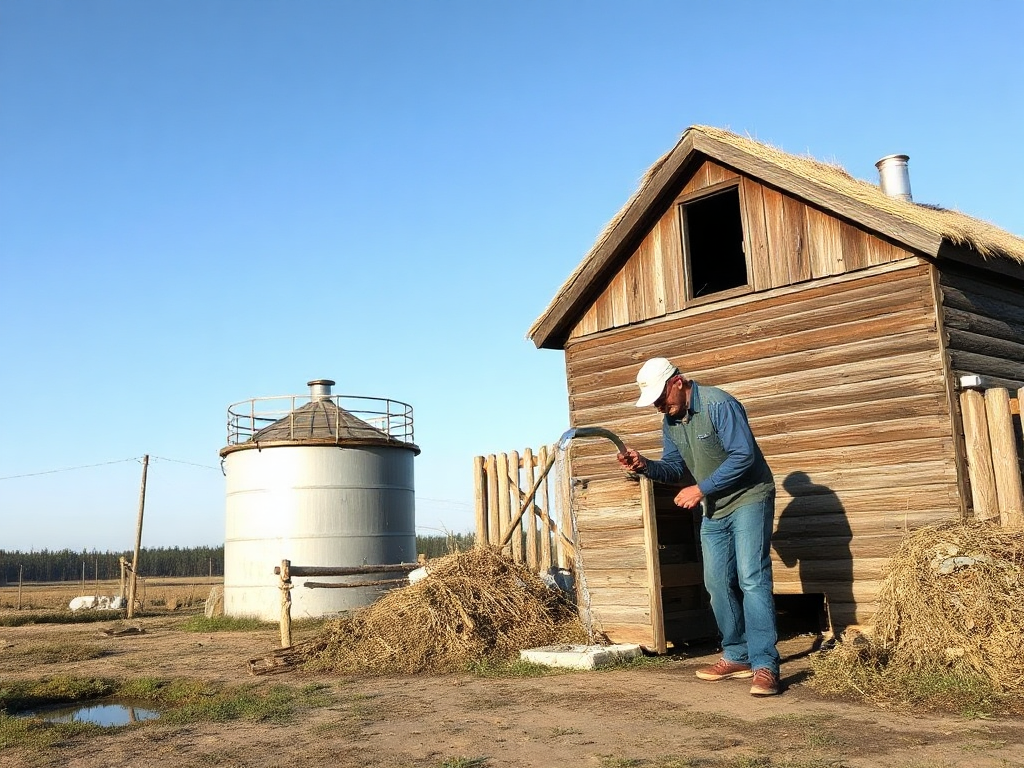
Building homestead infrastructure involves creating essential systems like water management, energy sources, and waste disposal that support self-sufficiency. Start by assessing your land's resources and planning for water systems, such as rainwater collection or wells, to ensure a reliable supply. Additionally, consider energy options like solar panels or wind turbines to power your homestead sustainably. Proper waste management, including composting and greywater systems, is also crucial for maintaining a healthy environment.
Water Management Systems
Effective water management is a cornerstone of any homestead. It involves securing a reliable water source, whether through wells, rainwater harvesting, or surface water. Each option has its pros and cons, and understanding your local climate and regulations is crucial. For instance, rainwater harvesting can significantly reduce dependency on municipal water, but it requires proper storage and filtration systems to ensure water quality.

When establishing a water system, consider the following:
- Rainwater Harvesting: Install gutters and downspouts to direct rainwater into storage tanks. Make sure to include a first flush diverter to remove debris and contaminants.
- Well Water: Drilling a well can provide a constant water supply, but it requires an initial investment and adherence to local regulations regarding water rights and safety.
- Surface Water: If you have access to a pond or stream, consider setting up a pump system, but be aware of ecological impacts and water quality monitoring.
Common mistakes include overlooking filtration needs and failing to comply with local regulations, which can lead to costly fines or health hazards. Always prioritize safe and sustainable practices when managing water resources.
Energy Solutions for Homesteading
Energy independence is vital for a successful homestead. Utilizing renewable energy sources not only reduces reliance on external power grids but also promotes sustainability. Common energy solutions include solar panels, wind turbines, and even hydropower if you have access to flowing water.
Here’s how to approach energy solutions:
- Solar Energy: Installing solar panels can be a great investment. Consider your energy needs and the available sunlight in your area to determine the right system size.
- Wind Energy: If your homestead is in a windy location, wind turbines can supplement your energy needs. Be sure to evaluate local wind patterns and zoning regulations before installation.
- Backup Generators: Having a backup generator can provide peace of mind during power outages. Choose a generator that can handle your critical loads.
When planning your energy infrastructure, remember that initial costs can be high, but many systems pay off over time through reduced utility bills. Additionally, integrating multiple energy sources can provide greater reliability.
Waste Management and Recycling
Proper waste management is essential for maintaining a healthy homestead environment. Implementing effective strategies for waste disposal and recycling can minimize environmental impact while enhancing soil health.
Consider these waste management practices:

- Composting: Composting organic waste not only reduces landfill contributions but also enriches soil. Create a compost bin and regularly add kitchen scraps, yard waste, and other biodegradable materials.
- Greywater Systems: Reusing greywater from sinks and showers for irrigation can conserve water. Ensure your system complies with local regulations and is safe for plants.
- Recycling: Set up a recycling station to sort materials like glass, plastic, and metal. Familiarize yourself with local recycling programs and guidelines to maximize efficiency.
Many homesteaders underestimate the importance of waste management, leading to pollution and health risks. Prioritize sustainable practices to ensure a clean and productive homestead.
Building Structures and Shelter
Building structures is another critical aspect of homestead infrastructure. Your shelter must be designed to withstand local weather conditions while providing comfort and functionality. Factors to consider include materials, location, and layouts.
When constructing buildings, keep in mind:
- Material Selection: Choose sustainable materials that offer durability and insulation, such as straw bales, cob, or reclaimed wood. Avoid toxic materials that could harm indoor air quality.
- Orientation: Position your structures to maximize natural light and heat. South-facing windows can help reduce heating costs in winter.
- Multi-Purpose Spaces: Design spaces that can serve multiple functions, such as combining living and workspace to maximize efficiency.
A common mistake is neglecting to consider future needs, such as growing families or additional equipment. Always plan for flexibility in your building designs to accommodate changing circumstances.
For those looking to deepen their knowledge on homesteading infrastructure, consider exploring local agricultural extensions, homesteading manuals, or online forums dedicated to self-sufficient living. These resources can provide insights tailored to your specific region and needs.
Popular Questions
How can I create a comprehensive Table of Contents for my homesteading guide?
To create an effective Table of Contents, start by outlining all major topics covered in your homesteading project, such as gardening, livestock, and sustainable living. Break down each section into specific subtopics to ensure clarity and ease of navigation. Organize the list logically, prioritizing the most essential areas to help readers find information quickly.
What are the best practices for updating a Table of Contents in a homesteading article?
Regularly review your Table of Contents to reflect any new sections or changes in your homesteading activities. Use clear headings and consistent formatting to maintain readability. Updating the Table of Contents after adding new content ensures readers can easily locate the latest information and improvements.
How does a detailed Table of Contents improve the usability of a homesteading blog post?
A detailed Table of Contents allows readers to quickly navigate to the sections most relevant to their interests, saving time and reducing frustration. It provides a clear overview of the post's structure, making complex topics more approachable. Well-organized content encourages readers to explore more of your homesteading tips and techniques.