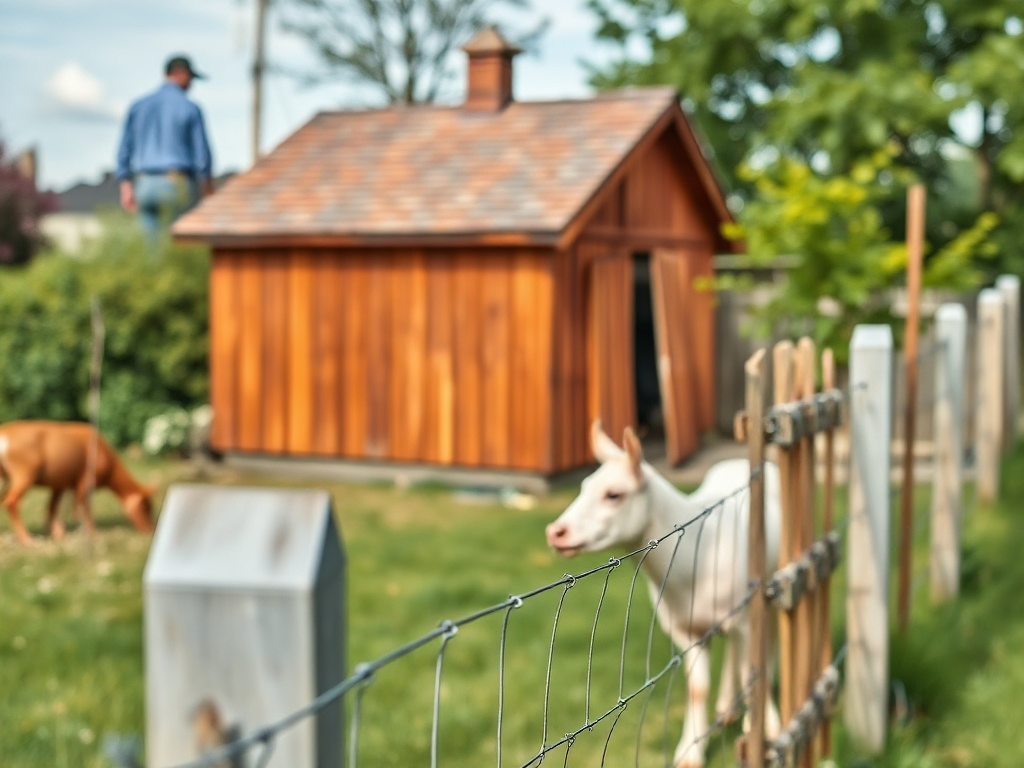
Fencing solutions for small homesteads include various options such as livestock fencing, garden fencing, and perimeter security. Each type provides specific benefits like keeping animals contained, protecting crops, and enhancing property security. Choosing the right materials, such as wood, wire, or vinyl, is crucial for durability and effectiveness. Additionally, proper installation techniques help ensure longevity and functionality, making it essential to assess your homestead's unique needs before deciding.
Types of Fencing for Small Homesteads
When selecting fencing solutions for small homesteads, it’s essential to consider the primary purpose of the fence. Common types include livestock fencing, garden fencing, and security fencing. Livestock fencing is designed to contain animals, while garden fencing protects crops from pests. Security fencing acts as a barrier against intruders.

Each type of fencing can be customized based on the specific needs of your homestead. For instance, electric fencing is effective for livestock, while wooden or vinyl fencing can enhance the aesthetic appeal of a garden while providing protection. Understanding the unique requirements of your property will guide you in making the best choice.
Choosing the Right Materials
The choice of materials significantly impacts the durability and effectiveness of the fencing solutions you select. Common materials include wood, wire, vinyl, and metal. Each material has its pros and cons. For example, wood offers a classic look and good durability but may require regular maintenance. In contrast, vinyl is low-maintenance and long-lasting but can be more expensive upfront.
Wire fencing, such as barbed wire or welded wire, is often more affordable and effective for livestock but may not provide the same aesthetic appeal. When assessing materials, consider factors such as climate, maintenance, and the specific needs of the animals or plants you want to protect.
Installation Techniques for Longevity
Proper installation of fencing is crucial for ensuring its longevity and effectiveness. Begin by marking the layout of your fence and ensuring it aligns with property lines and zoning regulations. Digging post holes to the appropriate depth is essential; generally, a depth of one-third of the post height is recommended for stability.
When installing wooden posts, treat them with a preservative to prevent rot, especially in damp conditions. For wire fencing, ensure that it is taut and securely fastened to the posts to prevent sagging or damage. Regularly inspect and maintain your fencing to ensure it remains functional and effective over time.
Common Mistakes to Avoid
One of the most common mistakes in fencing for small homesteads is underestimating the importance of planning. Failing to consider the specific needs of your animals or crops can lead to inadequate protection. Additionally, many homesteaders overlook local zoning laws and regulations, which can result in costly fines or necessary modifications.
Another frequent error is choosing the wrong materials for the environment. For example, using untreated wood in a high-moisture area can lead to rapid decay. Always assess the environmental conditions and select materials accordingly. Lastly, neglecting regular maintenance can lead to costly repairs or replacements, so it’s essential to regularly check the integrity of your fencing solutions.

Frequently Asked Questions
What is the best type of fencing for livestock?
Electric fencing is often considered the best option for livestock, as it effectively contains animals while minimizing injury risks.
How deep should fence posts be buried?
Fence posts should generally be buried to a depth of one-third of their total height for optimal stability.
Can I use recycled materials for fencing?
Yes, recycled materials can be used for fencing, but ensure they are durable and safe for the intended use.
How often should I inspect my fence?
Fences should be inspected at least twice a year, or more frequently in harsh weather conditions, to maintain their integrity.
What are the costs associated with installing a fence?
Costs can vary widely based on materials, labor, and land conditions, with basic fencing typically starting at a few dollars per foot.