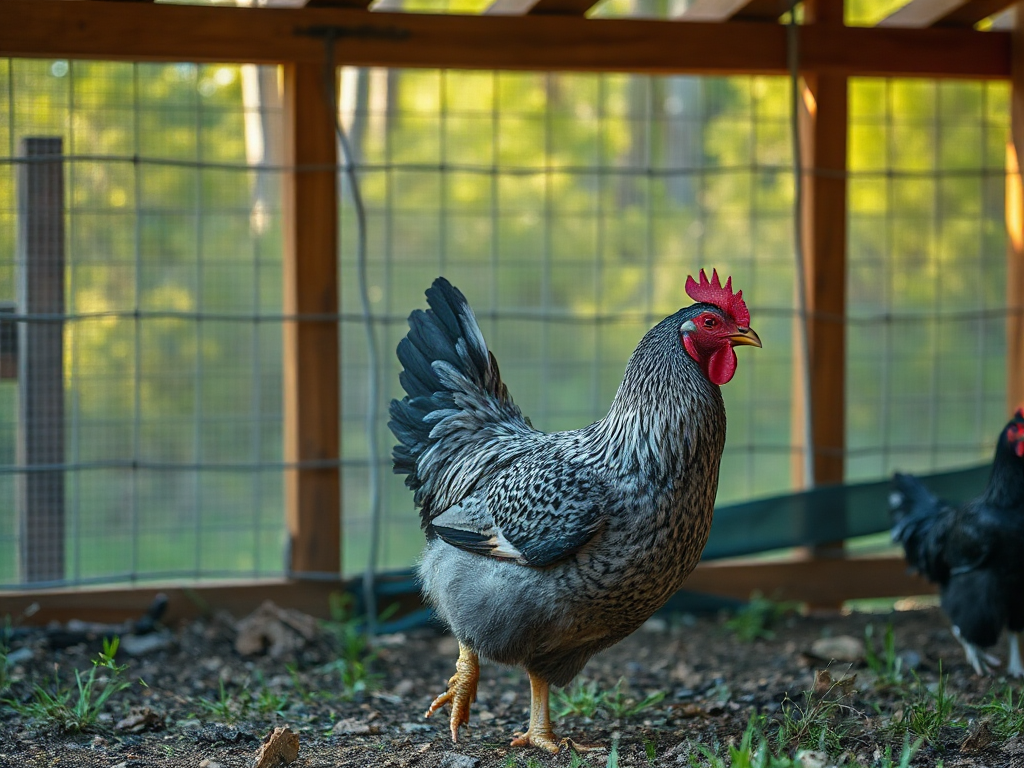
Predator proofing your chicken coop involves implementing specific measures to protect your chickens from various threats. Key strategies include reinforcing the coop with sturdy materials, installing secure locks, and ensuring the run is covered with wire mesh to deter aerial attacks. Additionally, using motion-activated lights and sound deterrents can further enhance security. Prioritizing these steps is crucial to prevent losses and maintain a safe environment for your flock.
Understanding Common Predators
Identifying the predators that threaten your chickens is the first step in effective predator proofing. Common threats include raccoons, foxes, hawks, and even domestic dogs. Each predator has unique behaviors and capabilities that can pose risks to your flock. For instance, raccoons are known for their dexterity and can easily manipulate latches, while hawks attack from above, necessitating different protective measures.

Understanding the specific predators in your area helps you tailor your approach. For example, if you live in a region with a high population of raccoons, you may need to invest in stronger locks and reinforced doors. Conversely, if hawks are your primary concern, ensuring that your chicken run is covered with strong wire mesh will be crucial. Prioritizing knowledge about local predators allows for more effective planning and implementation of security measures.
Designing a Secure Coop
A well-designed chicken coop is essential for predator proofing. Start by choosing robust materials for construction, such as untreated wood, metal, or high-quality plastic. Ensure that all openings are covered with hardware cloth instead of chicken wire, as hardware cloth is more resistant to being chewed through or broken. Additionally, the coop should be elevated off the ground to prevent digging predators from gaining access.
Pay attention to the doors and windows; use secure locks that are difficult for animals to open. A latch that can be operated from the outside can easily be manipulated by clever raccoons. Consider adding an automatic door opener that closes at dusk to ensure all chickens are safely inside before nightfall. Regular maintenance checks on the coop’s structural integrity will help identify any vulnerabilities that may arise over time.
Effective Fencing Solutions
Fencing is a critical component of predator proofing your chicken coop. Use a combination of buried fencing and above-ground barriers to deter digging and climbing predators. A general rule of thumb is to bury at least 12 inches of fencing underground to prevent animals from burrowing underneath. Additionally, extending the fencing upward by several feet or installing an angled top can help prevent climbers.
For maximum effectiveness, consider using electrified fencing. This method can create an additional layer of deterrence for persistent predators like raccoons and coyotes. When installing fencing, ensure there are no gaps or weaknesses where smaller animals could squeeze through. Regularly inspect the fencing for signs of wear or damage, and make repairs as necessary to maintain a secure perimeter.
Additional Security Measures
Beyond the physical barriers, there are numerous additional security measures you can implement to ensure the safety of your chickens. Motion-activated lights can deter nocturnal predators by startling them with sudden illumination. Similarly, sound deterrents, such as noise-making devices or alarms, can help scare off potential threats.
Consider utilizing guard animals, such as dogs or geese, which can provide extra protection for your flock. These animals often have natural instincts that can help alert you to intruders. Setting up a regular routine for checking on your chickens and their surroundings will also help you catch any potential issues before they escalate.
Frequently Asked Questions
What are the most common predators of chickens?
The most common predators of chickens include raccoons, foxes, hawks, and domestic dogs. Each poses a unique threat depending on their behavior and hunting style.
How can I reinforce my chicken coop?
Reinforce your chicken coop by using hardware cloth instead of chicken wire, securing all openings with sturdy locks, and elevating the structure off the ground to deter digging.
Is electric fencing effective for protecting chickens?
Yes, electric fencing can be highly effective in deterring persistent predators, adding an extra layer of security to your chicken coop and run.
What should I do if I spot a predator near my chickens?
If you spot a predator near your chickens, ensure they are safely secured in their coop and investigate the area for potential entry points. Consider using deterrents to scare off the predator.
How often should I check my chicken coop for security?
You should check your chicken coop at least once a day, preferably in the morning and evening, to ensure all locks and barriers are intact and to monitor for any signs of predator activity.
Conclusion
Ensuring the safety of your chickens through effective predator proofing is crucial for maintaining a healthy and secure flock. By understanding the common predators in your area, designing a robust coop, implementing effective fencing solutions, and utilizing additional security measures, you can significantly reduce the risk of attacks. Regular maintenance and vigilance will help keep your chickens safe, allowing you to enjoy the benefits of backyard poultry raising with peace of mind.