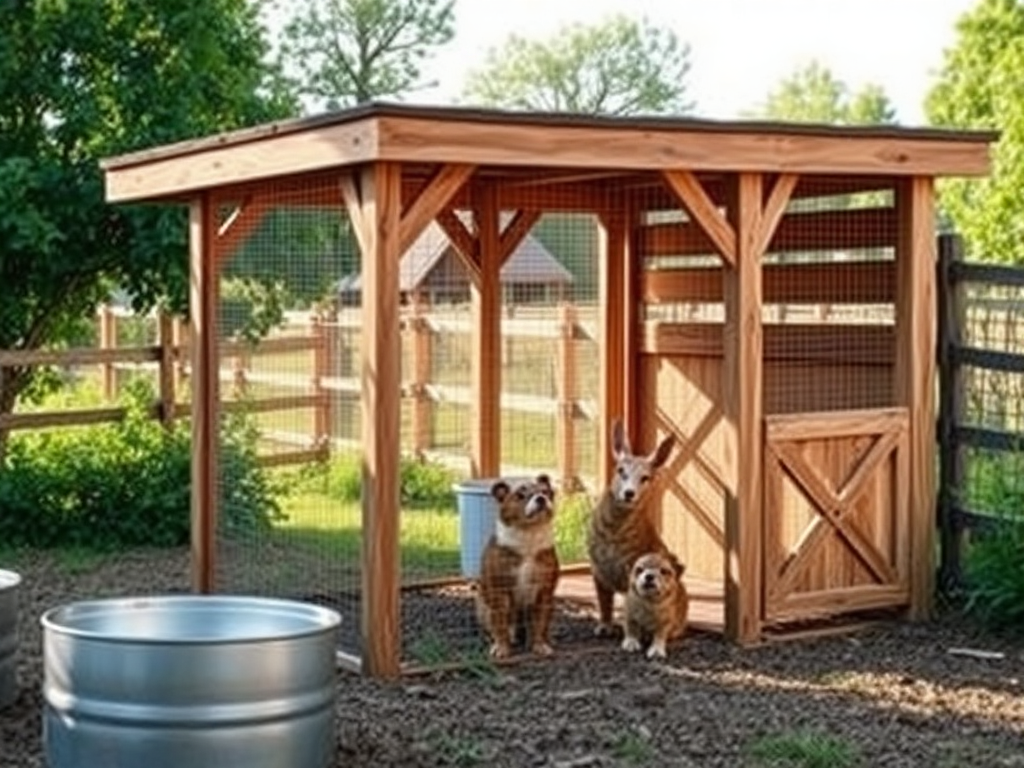
Animal shelter designs for beginners should prioritize safety, comfort, and functionality to create a nurturing environment for animals. Incorporate proper ventilation to maintain air quality and use insulated materials to protect against temperature extremes. It's essential to consider the shelter's layout, ensuring it allows easy access for caretakers and ample space for animals to exercise and socialize. Beginners often overlook the significance of location, which can greatly impact the overall well-being of the animals housed within.
Understanding Animal Shelter Needs
Animal shelters serve as critical environments for the well-being of various species, making it essential to understand their specific needs. Each animal has unique requirements based on size, breed, and behavior. For instance, larger breeds may require more space to move freely, while smaller animals might need less room but more enrichment opportunities. It’s vital to consider not only the physical dimensions of the shelter but also the psychological comfort of the animals. Factors such as socialization with humans and other animals, as well as a secure environment, significantly impact their behavior and health.

When designing an animal shelter, consider the climate and local environmental conditions. For example, in colder regions, insulation becomes crucial to maintaining a warm environment, while in hotter climates, proper ventilation and shade are essential to prevent overheating. A well-designed shelter can enhance the quality of life for animals, reduce stress, and improve adoptability rates.
Design Elements for Safety and Comfort
Safety and comfort should be the cornerstones of any animal shelter design. The layout must allow for easy movement and interaction between animals and caretakers. Key elements include:
- Ventilation: Adequate airflow is vital for preventing respiratory issues in animals. Incorporate windows, vents, and exhaust fans to ensure fresh air circulation.
- Insulation: Use insulated materials to maintain a stable temperature, protecting animals from extreme weather conditions.
- Secure Fencing: Ensure that outdoor areas are securely fenced to prevent escapes and protect animals from predators.
- Accessible Spaces: Design spaces that are easy to clean and maintain, allowing for efficient care without stress for the animals.
Furthermore, consider incorporating spaces for enrichment, such as play areas or quiet zones, where animals can feel secure and engage in natural behaviors. These elements not only enhance animal welfare but also make the shelter more inviting for potential adopters.
Common Mistakes in Shelter Design
Even experienced shelter designers can overlook critical factors that impact the overall functionality and animal welfare in a shelter. Here are some common mistakes to avoid:
- Ignoring Animal Behavior: Failing to consider how animals interact can lead to stress and aggression. Design spaces that allow for separation when needed and encourage positive interactions.
- Overcrowding: Underestimating the space required for each animal can lead to overcrowding, which increases stress and illness. Always plan for more space than you think is necessary.
- Poor Location: The shelter’s location can affect accessibility for both animals and visitors. Ensure it is easily reachable and situated in a safe environment.
- Neglecting Maintenance: Designs that are difficult to clean can lead to hygiene issues. Choose materials and layouts that facilitate easy upkeep.
By recognizing these pitfalls, beginners can create more effective and humane shelters that prioritize animal welfare.
Examples of Effective Shelter Designs
When considering animal shelter designs, looking at successful examples can provide valuable insights. A few effective designs include:
- The Modular Shelter: This design features individual units that can be expanded or modified based on the number of animals. Each unit has separate ventilation and insulation, ensuring comfort and safety.
- The Open-Concept Shelter: This layout allows for a communal area where animals can socialize, reducing stress and promoting natural behaviors. It includes private resting spaces for each animal, allowing for a balance of socialization and solitude.
- The Eco-Friendly Shelter: Utilizing sustainable materials and practices, this design minimizes environmental impact while providing a safe and comfortable space for animals. Features may include solar panels, rainwater harvesting systems, and natural ventilation.
These examples highlight the importance of adaptability, socialization, and sustainability in modern shelter design. Beginners should draw inspiration from these models while tailoring their designs to the specific needs of the animals they will house.
Frequently Asked Questions
What are the essential features of a beginner animal shelter?
Essential features include proper ventilation, insulated materials, secure fencing, and accessible cleaning spaces. These elements ensure safety and comfort for the animals.
How can I improve ventilation in my animal shelter?
Improve ventilation by incorporating windows, vents, and exhaust fans. Ensure airflow is unobstructed and consider natural ventilation methods to maintain a comfortable environment.
What common mistakes should I avoid when designing a shelter?
Avoid overcrowding, ignoring animal behavior, poor location, and neglecting maintenance. These issues can lead to stress and health problems for the animals.
How much space do animals need in a shelter?
Space requirements vary by species and size. Generally, each animal should have enough room to move freely, rest comfortably, and engage in natural behaviors.
Can I build an eco-friendly animal shelter?
Yes, you can build an eco-friendly shelter by using sustainable materials, incorporating energy-efficient systems, and implementing water conservation practices.
Conclusion
Designing an effective animal shelter requires careful consideration of the animals’ needs, safety, and comfort. By focusing on essential elements such as ventilation, insulation, and layout, beginners can create spaces that promote animal welfare. Avoiding common mistakes and learning from successful designs will help ensure that the shelter serves its purpose effectively. As you move forward with your shelter project, prioritize the unique requirements of the animals you plan to house and seek out resources that can provide further guidance.