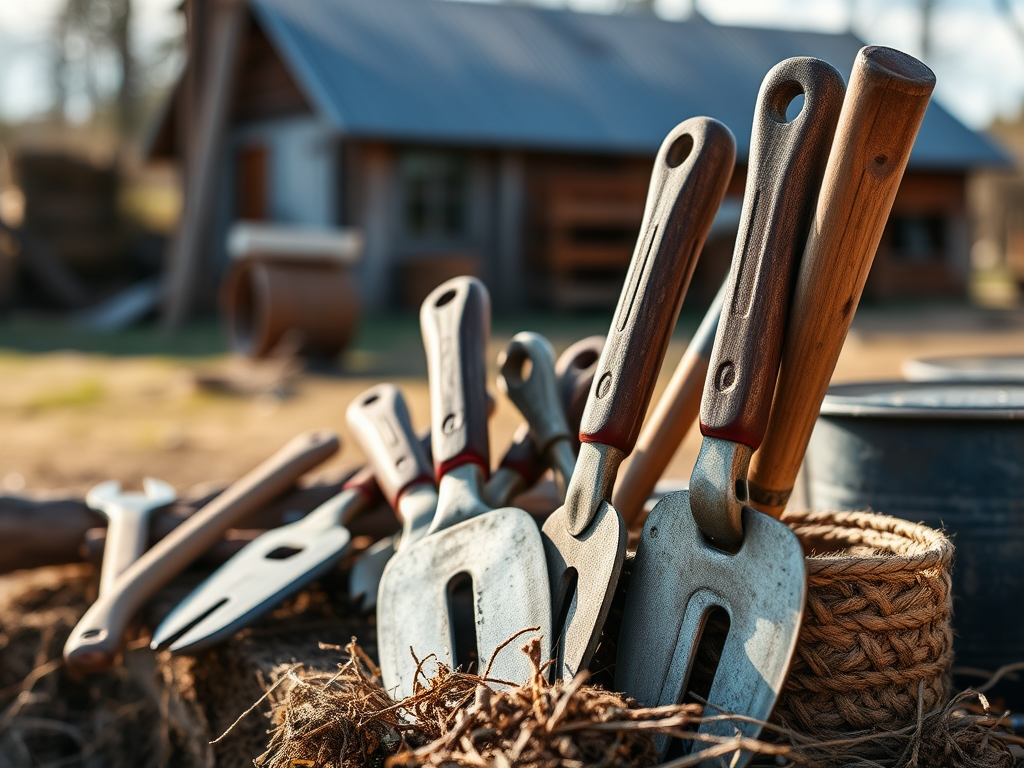
Homestead tools every beginner needs include basic gardening implements, hand tools, and equipment that facilitate efficient and sustainable farming practices. Essential items such as a shovel, hoe, and wheelbarrow help in soil preparation and crop management. Additionally, investing in quality hand tools will improve productivity and reduce the risk of injury, while understanding the maintenance of these tools is crucial for longevity and effectiveness.
Essential Hand Tools for Every Homesteader
Hand tools are the backbone of any homesteading endeavor. They provide the basic functionality needed for a variety of tasks, from planting and weeding to harvesting. Key hand tools include a shovel, hoe, rake, and trowel. These tools are essential for soil preparation, planting seeds, and maintaining garden beds.

A shovel is particularly important for digging holes, moving soil, and planting trees. A hoe is invaluable for weeding and breaking up soil, while a rake helps level soil and gather debris. A trowel is perfect for transplanting seedlings and planting bulbs. Each of these tools plays a vital role in the success of a homestead, and understanding their proper use and maintenance is crucial.
One common mistake beginners make is underestimating the importance of quality. Investing in durable, well-made tools can save money in the long run as they will withstand the rigors of everyday use. Proper maintenance, such as cleaning and sharpening tools, is essential to ensure they last longer and perform well.
Gardening Tools: Building Your Foundation
As a beginner homesteader, establishing a garden is often the first step towards self-sufficiency. Gardening tools are crucial for creating and maintaining productive garden spaces. Essential gardening tools include hand pruners, a garden fork, and a watering can or hose.
Hand pruners allow for precise cutting of plants and are vital for maintaining healthy growth. A garden fork helps aerate the soil and mix in compost or other organic matter, promoting healthy root development. Adequate watering tools are essential for ensuring plants receive the hydration they need, especially during dry spells.
It’s important to understand the specific needs of your plants when selecting gardening tools. For instance, raised beds might require different tools compared to traditional in-ground gardens. Beginners often overlook the significance of ergonomic tools, which can reduce strain during prolonged use and enhance overall gardening experience.
Power Tools: When to Invest
While hand tools are essential, power tools can significantly enhance productivity on a homestead. Investing in power tools such as a tiller, chainsaw, or drill can make certain tasks much easier and quicker. A tiller is particularly beneficial for preparing larger garden areas, breaking up compacted soil, and mixing in amendments.
A chainsaw is crucial for managing trees and clearing land, while a drill can assist in building structures or installing fencing. However, beginners should approach power tools with caution, as improper use can lead to accidents and injuries. It’s important to take the time to learn how to use these tools safely and effectively.
Many beginners mistakenly think they need to buy every power tool available. Instead, it’s wise to prioritize purchasing tools based on immediate needs and the size of the homestead. Renting or borrowing tools for specific tasks can also be a practical alternative until you determine what you truly need.
Safety Gear: Protecting Yourself
Safety gear is often overlooked but is critical for any homesteader. Essential safety equipment includes gloves, goggles, and sturdy footwear. Gloves protect hands from blisters and cuts, while goggles shield eyes from dust and debris, especially when using power tools.
Sturdy footwear with proper grip is essential, particularly when working in wet or uneven terrain. Many beginners fail to recognize the importance of safety gear until they experience an injury. It’s vital to always wear appropriate safety equipment to prevent accidents and ensure a safe working environment.

Additionally, understanding the specific safety requirements for each tool is crucial. For instance, when using a chainsaw, wearing a helmet, ear protection, and chainsaw chaps can prevent serious injuries. Establishing a safety-first mindset will help foster a productive and secure homesteading experience.
For those interested in expanding their knowledge of homesteading tools, consider exploring local agricultural extension programs or reputable gardening websites. Many universities offer resources tailored to new homesteaders, providing valuable insights into the tools and practices that can lead to successful outcomes.
Frequently Asked Questions
What are the most essential tools for a beginner homesteader?
The most essential tools for a beginner homesteader include a shovel, hoe, rake, and hand pruners, as they are crucial for planting, weeding, and maintaining a garden.
How do I choose the right gardening tools?
Choosing the right gardening tools involves considering the specific tasks you need to accomplish and opting for ergonomic designs that enhance comfort during use.
When should I invest in power tools?
Investing in power tools is advisable when tasks become too labor-intensive for hand tools, such as tilling large areas or cutting down trees.
What safety gear do I need for homesteading?
Essential safety gear for homesteading includes gloves, goggles, and sturdy footwear to protect against injuries while working with tools and equipment.
How can I maintain my homesteading tools?
Maintaining homesteading tools involves regular cleaning, sharpening, and proper storage to ensure longevity and optimal performance.
Conclusion
Starting your homesteading journey requires the right tools to ensure efficiency and productivity. Essential hand tools, gardening implements, and safety gear are fundamental for any beginner. Prioritizing quality over quantity can help you avoid common pitfalls and ensure your tools will last. As you gain experience, continually assess your needs and invest in additional tools that will support your growing homestead. Focus on safety and maintenance to maximize the benefits of your equipment, and your homesteading experience will be both rewarding and successful.
Further Reading
Authoritative Sources
- USDA Agricultural Research Service
ars.usda.govAgricultural research on crops, production systems, food quality, and resource management.
- EPA Pesticide Resources
epa.govOfficial pesticide regulation, safety, environmental, and risk-management information.
- USDA NIFA Sustainable Agriculture
nifa.usda.govFederal research and extension resources on sustainable agriculture, farms, and food systems.
- USDA NRCS Soil Resources
nrcs.usda.govOfficial soil health, conservation, water, and land-management guidance for agricultural operations.