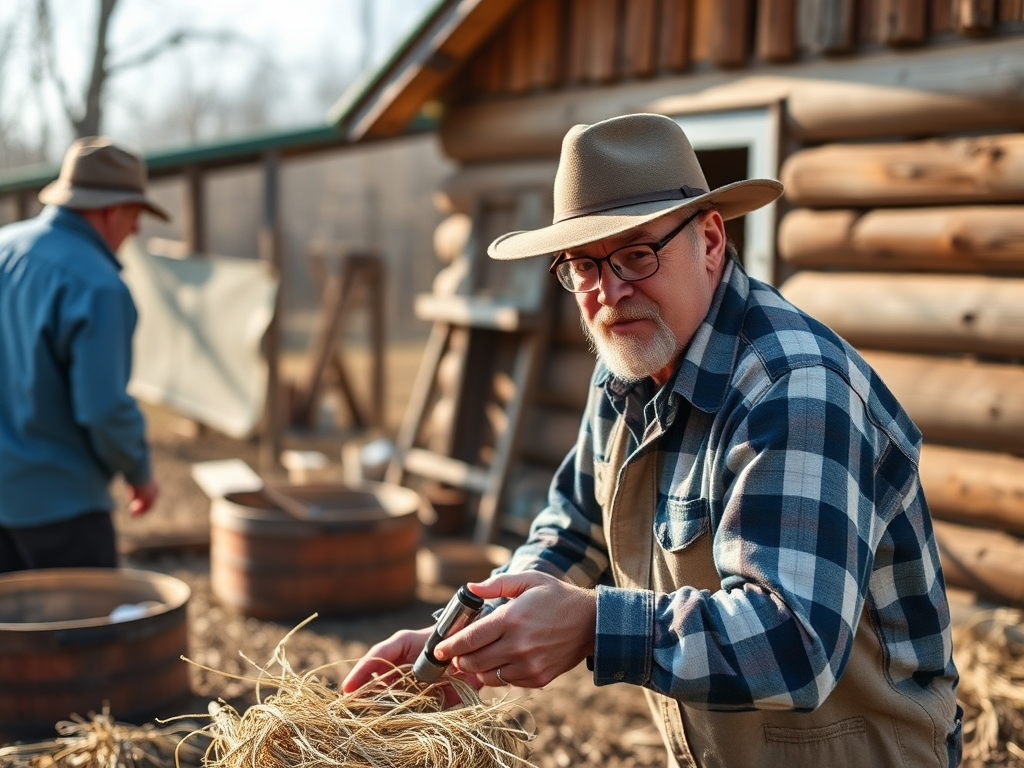
To plan generational homestead systems effectively, establish clear objectives that reflect your family's values and long-term aspirations, such as food security or educational opportunities for future generations. Utilize sustainable practices like permaculture to create a self-sustaining ecosystem, ensuring that your land remains productive over time. It's essential to assess and manage resources wisely, including land use and water conservation strategies, to avoid depletion. Engaging family members in decision-making fosters a sense of ownership and continuity, ensuring that the homestead thrives for years to come.
Defining Your Homestead Goals
Establishing clear objectives is crucial for any generational homestead system. Consider what you aim to achieve: Is it food security, self-sufficiency, or perhaps education for future generations? These goals will guide your planning process. For instance, if your focus is on food production, you might prioritize diverse crop planting and livestock management.

Creating a vision for your homestead also involves understanding the land’s capabilities and limitations. Conduct soil tests to determine what crops can thrive, and assess climate patterns to plan seasonal activities. This information will inform your choices and help you avoid common pitfalls, such as planting crops ill-suited to your environment.
Sustainable Practices for Longevity
Implementing sustainable agricultural practices is essential for maintaining a productive homestead. Techniques like permaculture and agroecology can help create a self-sustaining ecosystem. For example, integrating animals into your crop rotation can improve soil health and reduce pest populations naturally.
Additionally, consider water conservation methods such as rainwater harvesting and drip irrigation systems. These strategies not only conserve resources but also reduce dependency on external water sources. Avoiding monoculture and instead practicing polyculture can further enhance biodiversity and resilience against pests and diseases.
Resource Management Strategies
Effective resource management is critical for a generational homestead. This includes managing land, water, and energy resources wisely. Start by mapping out your property and identifying which areas are best suited for different uses, such as gardening, livestock, and conservation.
Incorporating renewable energy sources, like solar panels or wind turbines, can also reduce long-term costs and environmental impact. Assess your energy needs and explore options that fit your budget and lifestyle. Additionally, practicing waste reduction methods, such as composting and recycling, contributes to a more sustainable homestead.
Involving Future Generations
Engaging family members in the planning and decision-making processes is vital for the longevity of your homestead. Encourage younger generations to participate in daily tasks, from gardening to animal care. This hands-on experience fosters a sense of responsibility and connection to the land.
Establishing a family council can help facilitate discussions about future goals and challenges. Regular meetings allow everyone to voice opinions and contribute ideas, ensuring that the homestead evolves with changing needs and circumstances. Documenting practices and lessons learned also helps preserve knowledge for future generations.
Frequently Asked Questions
What are the key components of a generational homestead system?
The key components include clear goals, sustainable practices, resource management, and family involvement.
How can I ensure sustainability in my homestead?
Implement practices like permaculture, crop rotation, and water conservation to enhance sustainability.
What role does family play in a generational homestead?
Family involvement is crucial for passing down knowledge, skills, and responsibilities to future generations.
What common mistakes should I avoid in homesteading?
Avoid overextending resources, neglecting soil health, and failing to plan for future needs.
How can I start planning my homestead?
Begin by defining your goals, assessing your land, and researching sustainable practices suitable for your area.
Conclusion
Planning a generational homestead requires thoughtful consideration of goals, sustainability, and family involvement. By establishing clear objectives, implementing sustainable practices, and actively engaging future generations, you can create a thriving homestead that endures through time. Prioritize resource management and continuous learning to adapt to challenges and ensure long-term success.