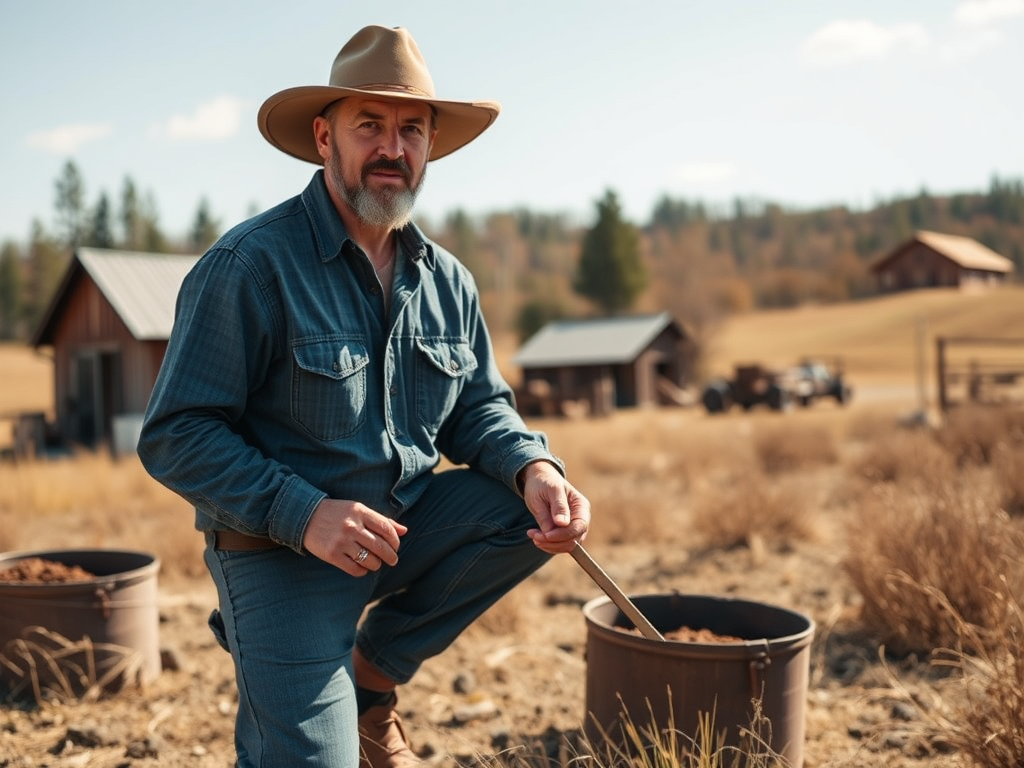
Creating a legacy homestead property means developing a sustainable environment that can endure for generations. Start by defining your vision, whether it’s producing food, fostering wildlife, or creating a gathering space for family. Focus on enhancing soil health through practices like crop rotation and organic amendments, and implement efficient water management systems to conserve resources. Engaging with your community can provide support and knowledge-sharing, ensuring that your homestead not only survives but thrives, passing on valuable skills and practices to future generations.
Understanding the Concept of Legacy Homesteading
Creating a legacy homestead property starts with understanding what legacy means in the context of land stewardship. A legacy homestead is more than just a piece of land; it is a comprehensive plan for sustainable living that can support future generations. This concept integrates the values of self-sufficiency, ecological balance, and community resilience. Legacy homesteading emphasizes not only the preservation of land but also the cultivation of knowledge and practices that can be handed down.

Many individuals overlook the importance of setting clear goals for their homestead. It’s essential to define what legacy means to you—whether it’s producing food, cultivating a natural habitat, or creating a space for family gatherings. This vision will guide your decisions and investments in the property.
Key Elements for Successful Homesteading
Successful legacy homesteading revolves around several key components that work synergistically. These include soil health, water management, energy efficiency, and biodiversity. Each element contributes to the overall sustainability of the property, enhancing its ability to thrive over time.
Soil health is foundational; healthy soil supports robust plant growth and increases resilience against pests and diseases. Implementing practices such as crop rotation, cover cropping, and organic amendments can significantly improve soil quality. Water management, on the other hand, involves creating efficient irrigation systems and utilizing rainwater harvesting techniques to ensure a consistent water supply without depleting local resources.
Energy efficiency can be achieved through renewable energy sources like solar panels and wind turbines, reducing reliance on fossil fuels. Lastly, fostering biodiversity by planting a variety of species not only enriches the ecosystem but also creates a more resilient agricultural system. Each of these elements requires careful planning and adaptation, as conditions will vary based on location and personal goals.
Designing Your Homestead for Sustainability
Designing a legacy homestead property involves creating a layout that maximizes efficiency while minimizing environmental impact. This process can be guided by principles of permaculture, which focus on working with nature rather than against it. Key design principles include zoning, layering, and integrating systems.
In permaculture design, zoning refers to placing elements of your homestead based on their frequency of use. For instance, high-maintenance plants or animals should be located closer to the home for easy access, while less frequently tended areas can be further away. Layering involves using vertical space effectively, such as incorporating trellises for climbing plants or utilizing the canopy of trees for shade-loving crops below.
Integrating systems means ensuring that different components of your homestead support one another. For example, using greywater from the house to irrigate gardens can conserve water and promote plant health. A thoughtful design will not only enhance productivity but also create a harmonious living environment that supports both people and wildlife.
Engaging with Community and Resources
Creating a legacy homestead property is not a solitary endeavor; it often requires collaboration and connection with the local community. Engaging with neighbors, local farmers, and homesteading groups can provide valuable resources and support. Sharing knowledge, tools, and labor can enhance the efficiency and joy of homesteading.
Additionally, seeking out local resources such as agricultural extension services, workshops, and community gardens can provide critical education and networking opportunities. These connections can lead to the exchange of heirloom seeds, livestock, and skills, enriching your homesteading experience.
It’s also beneficial to stay informed about local regulations and conservation programs that can aid in sustainable practices. Many areas offer grants or assistance for implementing eco-friendly projects, which can be a tremendous help in establishing a legacy homestead.

Frequently Asked Questions
What is the first step in creating a legacy homestead?
The first step is to define your vision for the homestead, including your goals for sustainability, food production, and community engagement.
How can I improve soil health on my homestead?
Improving soil health can be achieved through practices such as crop rotation, cover cropping, and adding organic matter like compost.
What role does water management play in sustainability?
Effective water management ensures a consistent water supply, conserves resources, and supports plant health through techniques like rainwater harvesting.
Why is biodiversity important in a homestead?
Biodiversity enhances ecosystem resilience, supports pollinators, and reduces the risk of crop failures due to pests or diseases.
How can community engagement benefit my homestead?
Engaging with the community provides access to shared resources, knowledge, and support, enhancing the overall homesteading experience.
Conclusion
Creating a legacy homestead property is a rewarding journey that requires thoughtful planning and community engagement. By focusing on sustainable practices, such as improving soil health, managing water resources, and fostering biodiversity, you lay the foundation for a thriving ecosystem. Remember to define your vision clearly and seek support from your community to enrich your homesteading experience. Take the first steps today, and set the stage for a legacy that can nourish generations to come.