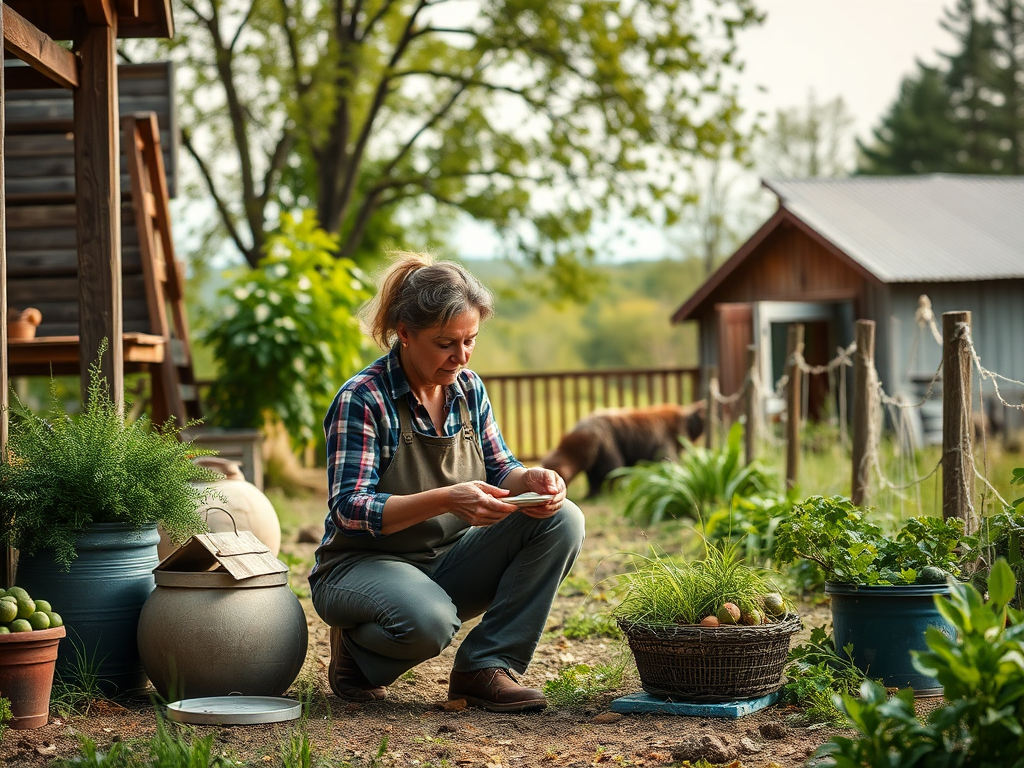
Faith based homesteading daily life combines spiritual principles with practical homesteading activities, fostering a deeper connection to nature and community. Emphasizing stewardship of the land, this lifestyle encourages practices such as prayer before planting, gratitude during harvest, and community sharing of resources. By incorporating faith into daily routines, homesteaders can develop resilience, cultivate a sense of purpose, and strengthen their bonds with others, ensuring both personal and communal growth.
Spirituality and Homesteading
Faith based homesteading intertwines one’s spiritual beliefs with the principles of self-sufficiency and sustainable living. At the heart of this practice is the understanding that caring for the land and its resources is not just a physical endeavor but a spiritual calling. Engaging with nature through a faith lens can enhance the experience of homesteading, making it a holistic pursuit.

Many faiths emphasize stewardship of the earth, teaching adherents to respect and nurture creation. For instance, Christians often reference Genesis 1:28, which speaks to humanity’s role in caring for the earth. This perspective encourages homesteaders to view their work as a divine responsibility, fostering a deeper connection to their environment and a commitment to sustainable practices.
Additionally, spirituality can provide motivation during challenging times. Cultivating a prayerful attitude while tending to crops or animals can transform mundane tasks into moments of reflection and gratitude. This connection helps homesteaders remain grounded and focused on the bigger picture, even when facing the trials of rural life.
Daily Practices in Faith Based Homesteading
Incorporating faith into daily homesteading routines can manifest in various practices that enhance both spiritual and practical outcomes. One common practice is starting each day with a moment of prayer or meditation, reflecting on the blessings of the land and the work ahead. This sets a positive tone and aligns the homesteader’s intentions with their actions.
Another practice involves expressing gratitude during harvest times. Many homesteaders take time to acknowledge the efforts that went into growing food and the divine assistance they believe played a role in the process. This could involve a simple thank you, a prayer of thanks, or even a communal meal to celebrate the bounty.
Faith based homesteaders often engage in acts of service, sharing their harvest with others in need. This not only fosters community ties but also exemplifies the principle of giving back, which is central to many faith traditions. Whether through food banks, neighbors, or local churches, distributing surplus produce cultivates a spirit of generosity and community support.
Community and Service
Community is a fundamental aspect of faith based homesteading. Engaging with others who share similar values can provide support, encouragement, and a sense of belonging. Many homesteaders participate in local faith communities, which can serve as an invaluable resource for sharing knowledge, skills, and resources.
Participating in community service projects is another way to live out one’s faith through homesteading. This might include organizing community gardens, teaching workshops on sustainable practices, or helping to build homes for those in need. Such activities not only benefit the community but also reinforce the interconnectedness of faith and action.
Moreover, faith based communities often come together for seasonal celebrations, reinforcing the bonds between members and the land. These gatherings can include potlucks, harvest festivals, and workdays, providing opportunities for fellowship and collaboration.
Challenges and Rewards of Faith Based Homesteading
While faith based homesteading offers numerous benefits, it is not without its challenges. Balancing the demands of daily life with spiritual practices can be difficult, especially during busy planting and harvest seasons. Homesteaders may find themselves overwhelmed and struggling to maintain their spiritual commitments amidst the physical labor.
Additionally, the unpredictability of weather, pests, and market conditions can test one’s faith. However, viewing these challenges through a spiritual lens can provide resilience. Many homesteaders find that their faith helps them navigate uncertainty, reminding them to trust in a higher purpose and the cyclical nature of life.

The rewards of faith based homesteading can be profound. Beyond the tangible benefits of fresh food and self-reliance, homesteaders often report a deeper sense of fulfillment and connection to their community. The integration of spiritual principles into daily life fosters personal growth, resilience, and a shared commitment to stewardship.
Frequently Asked Questions
What is faith based homesteading?
Faith based homesteading combines spiritual beliefs with sustainable living practices, promoting stewardship of the land and community engagement.
How can spirituality enhance homesteading?
Spirituality can provide motivation, a sense of purpose, and a deeper connection to nature, transforming daily tasks into meaningful practices.
What are some daily practices for faith based homesteaders?
Daily practices may include prayer or meditation, expressing gratitude during harvests, and sharing surplus food with the community.
How does community play a role in faith based homesteading?
Community provides support, shared resources, and opportunities for collaboration, enhancing the homesteading experience through fellowship and service.
What challenges do faith based homesteaders face?
Challenges may include balancing daily demands with spiritual commitments and dealing with unpredictable environmental factors, which can test one's faith.
Conclusion
Faith based homesteading is more than a lifestyle; it is a way to integrate spiritual beliefs into daily routines, fostering a sense of purpose and community. By prioritizing practices that align with their values, homesteaders can cultivate resilience and fulfillment, navigating the challenges of rural living with a deeper connection to the land and each other. Embracing this holistic approach can lead to a rewarding journey that nourishes both body and soul.