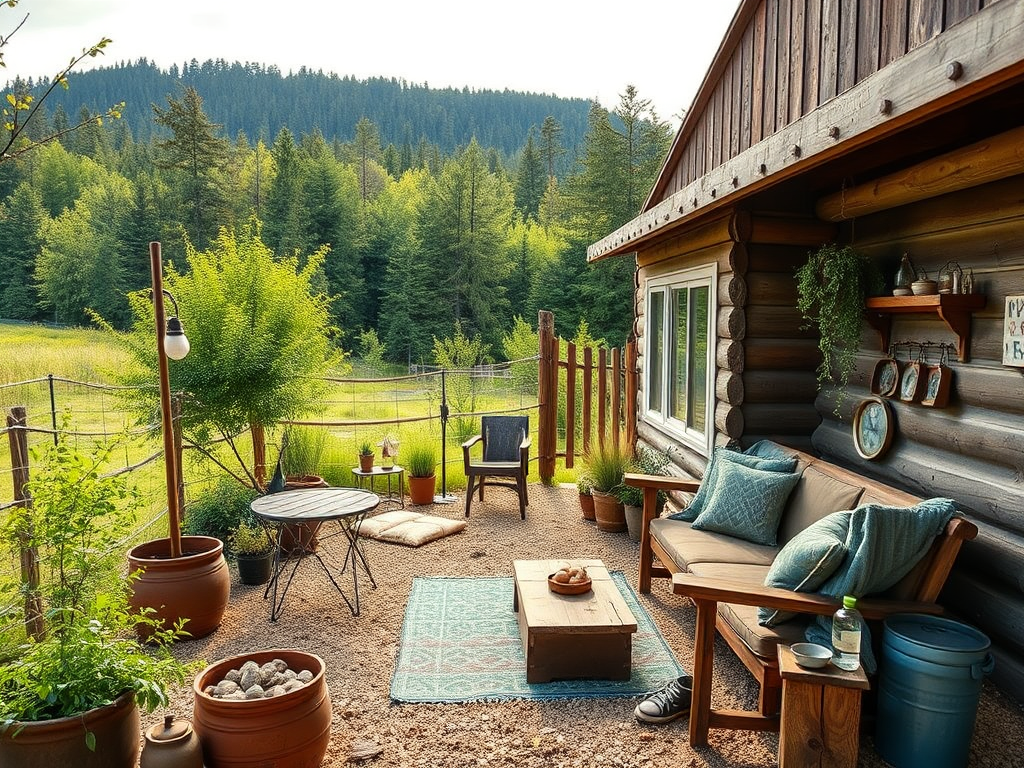
Purpose driven homestead lifestyle design emphasizes intentional living by integrating sustainable practices into everyday life. This approach focuses on creating self-sufficient environments that prioritize ecological balance, community engagement, and personal fulfillment. By incorporating permaculture principles and resource management, individuals can cultivate productive land while fostering a sense of belonging and purpose. Common mistakes include underestimating the complexity of these systems and neglecting community involvement, which can hinder the effectiveness of homestead projects.
Understanding Purpose Driven Homestead Lifestyle Design
Purpose driven homestead lifestyle design focuses on creating a living space that reflects the values and aspirations of its inhabitants while promoting sustainability and self-sufficiency. This design philosophy requires a deep understanding of one’s personal goals, environmental considerations, and community dynamics. By aligning these elements, individuals can create a homestead that not only meets their needs but also contributes positively to the ecosystem and society.

At its core, purpose driven homesteading involves evaluating land use, resource management, and personal fulfillment. This holistic approach encourages individuals to think critically about how their lifestyle choices affect the environment and their community. For instance, integrating permaculture techniques can enhance soil fertility, conserve water, and promote biodiversity, ensuring that the land remains productive for future generations.
Moreover, purpose driven homesteading emphasizes the importance of community involvement. By engaging with neighbors and local organizations, individuals can share resources, knowledge, and support, creating a network that bolsters resilience and sustainability efforts. This collaborative spirit fosters a sense of belonging and shared responsibility, essential for creating thriving homestead lifestyles.
Key Principles of Purpose Driven Homesteading
Several key principles define purpose driven homestead lifestyle design, guiding individuals in their quest for sustainable living. These principles include:
- Intentionality: Clearly define your goals and motivations for homesteading. Whether it’s to grow your own food, reduce your carbon footprint, or foster community connections, having a clear purpose helps shape your design decisions.
- Sustainability: Prioritize practices that minimize environmental impact while maximizing resource efficiency. Techniques such as composting, rainwater harvesting, and energy-efficient designs contribute to a sustainable homestead.
- Adaptability: Be prepared to adjust your plans as conditions change. This flexibility allows you to respond to environmental challenges, market fluctuations, and personal circumstances while maintaining your core values.
- Community Engagement: Actively participate in local initiatives and collaborate with neighbors. Building relationships can enhance resource sharing, knowledge exchange, and support systems.
Each of these principles plays a vital role in shaping a successful homestead. By integrating them into your lifestyle, you can create a resilient and fulfilling environment that serves both your needs and those of the planet.
Common Mistakes in Homestead Design
While pursuing a purpose driven homestead lifestyle, individuals often encounter pitfalls that can derail their efforts. Recognizing these common mistakes is crucial for achieving long-term success:
- Neglecting Planning: Failing to create a comprehensive plan can lead to inefficient land use and wasted resources. Taking the time to assess your goals, resources, and environmental conditions is essential.
- Underestimating Labor: Homesteading requires significant physical and mental effort. Many newcomers underestimate the time and labor involved, leading to burnout and frustration.
- Ignoring Local Regulations: Failing to understand zoning laws, permits, and regulations can result in legal issues and costly fines. Researching local requirements ensures that your homestead complies with all necessary guidelines.
- Overlooking Community Needs: A focus solely on personal goals can alienate neighbors and diminish community support. Engaging with your community fosters collaboration and resource sharing, enhancing overall resilience.
By being aware of these pitfalls, individuals can navigate the complexities of homestead design more effectively, ensuring a smoother path toward their sustainable living goals.
Real-World Examples of Successful Designs
Examining successful purpose driven homestead designs can provide valuable insights and inspiration. Many homesteaders have implemented innovative solutions that reflect their values and adapt to their environments:
For instance, a couple in Oregon transformed their suburban lot into a productive urban farm by incorporating raised garden beds, fruit trees, and a rainwater collection system. This homestead not only provides fresh produce for their family but also engages the local community through workshops and volunteer opportunities.
Another example is a community-based initiative in Vermont, where residents collectively manage a shared garden space. This project fosters collaboration, encourages sustainable practices, and strengthens social ties among neighbors.

These examples illustrate how purpose driven homestead design can manifest in various forms, each tailored to meet the unique needs of individuals and communities. By learning from these successes, aspiring homesteaders can find inspiration for their own journeys.
Frequently Asked Questions
What is purpose driven homestead lifestyle design?
Purpose driven homestead lifestyle design focuses on creating sustainable living spaces that reflect personal values while promoting ecological balance and community engagement.
How can I start my own homestead?
Begin by defining your goals, researching sustainable practices, and creating a comprehensive plan that considers your resources and local regulations.
What are some common mistakes in homesteading?
Common mistakes include neglecting planning, underestimating labor, ignoring local regulations, and overlooking community needs.
How important is community engagement in homesteading?
Community engagement is crucial as it fosters collaboration, resource sharing, and support, enhancing the overall resilience of homestead projects.
Can urban areas support homesteading?
Yes, urban areas can support homesteading through community gardens, rooftop farms, and sustainable practices that maximize limited space.
Conclusion
Purpose driven homestead lifestyle design is a powerful approach that integrates sustainability, community, and personal fulfillment. By understanding its principles and avoiding common mistakes, individuals can create thriving homesteads that reflect their values. Engaging with the community and learning from real-world examples can further enhance the effectiveness of these efforts. As you embark on your homesteading journey, prioritize intentionality and adaptability to foster a resilient and fulfilling lifestyle.