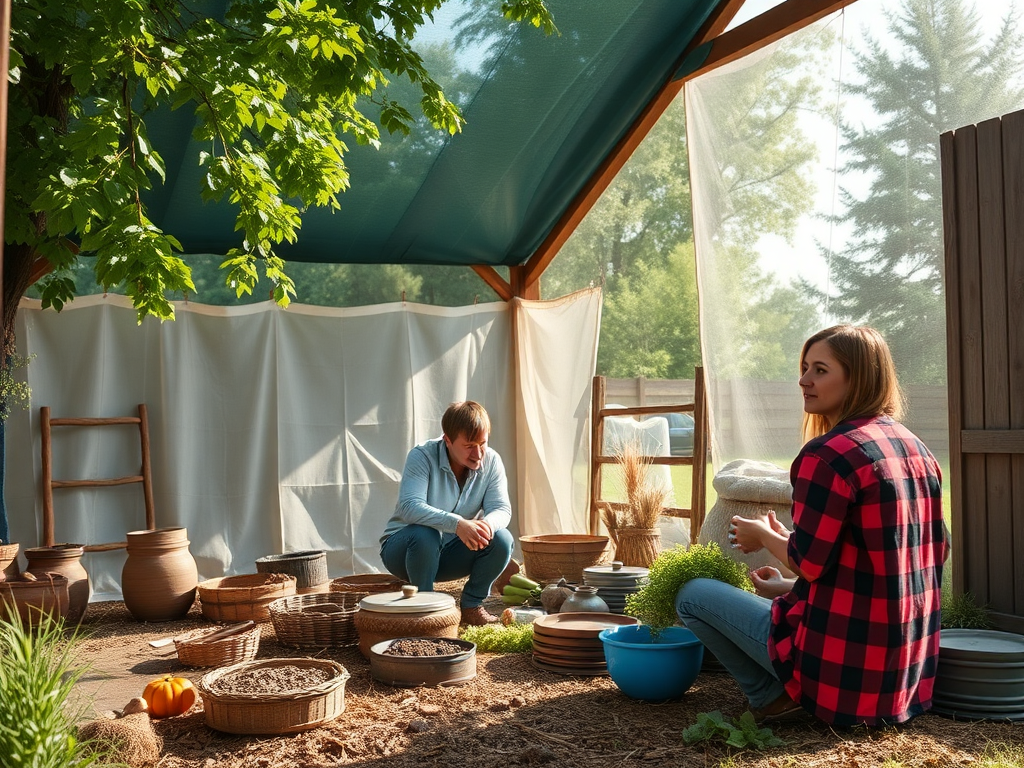
Families choose homestead living primarily for the benefits of self-sufficiency and sustainable practices, which lead to healthier lifestyles and closer family ties. This lifestyle allows families to grow their own food, reduce reliance on commercial systems, and foster environmental stewardship. Additionally, homesteading provides a unique opportunity for families to learn essential skills, promote resilience, and create a deeper connection to nature, ultimately enhancing their quality of life.
Understanding Homestead Living
Homestead living refers to a lifestyle focused on self-sufficiency, sustainability, and a deep connection to the land. Families who embrace this way of life often prioritize growing their own food, raising animals, and utilizing natural resources responsibly. This approach not only promotes independence from commercial food systems but also fosters a sense of community and environmental stewardship. Understanding the fundamental principles of homesteading is crucial for families looking to make this significant lifestyle change.

At its core, homesteading is about creating a sustainable way of life. Families engage in practices such as gardening, permaculture, and animal husbandry, which contribute to their food security and well-being. Moreover, homesteading encourages families to learn essential skills, from gardening to preserving food, that can be beneficial in everyday life. The commitment to self-sufficiency often leads to a more rewarding and fulfilling lifestyle, aligning with the growing trend of conscious living.
Key Benefits of Homesteading for Families
One of the primary reasons families choose homestead living is the myriad benefits it offers. Firstly, growing your own food can lead to healthier eating habits. Homegrown fruits and vegetables are often fresher and more nutritious than store-bought options, allowing families to enjoy the full flavor and health benefits of their produce. Additionally, this practice can significantly reduce grocery bills, freeing up resources for other necessities.
Secondly, homesteading fosters stronger family bonds. Working together on a homestead encourages teamwork and communication, as families collaborate on various tasks, such as planting, harvesting, and caring for animals. This shared experience not only strengthens relationships but also instills a sense of responsibility in children, teaching them valuable life skills.
Moreover, families often report a heightened sense of connection to nature through homesteading. Engaging with the environment fosters a deeper appreciation for biodiversity and the importance of sustainability. This awareness can influence families’ broader lifestyle choices, promoting eco-friendly practices beyond their homestead.
Challenges and Misconceptions
While homesteading offers numerous advantages, it is essential to recognize the challenges and misconceptions associated with this lifestyle. A common misconception is that homesteading requires extensive land and resources. In reality, many families successfully homestead on small plots or even in urban settings through container gardening and vertical farming.
Another challenge is the time commitment involved in maintaining a homestead. Families often underestimate the amount of work required to grow food, care for animals, and manage the land. It’s crucial to approach homesteading with realistic expectations and a willingness to learn and adapt over time. Starting small and gradually expanding one’s homesteading efforts can help mitigate feelings of overwhelm.
Lastly, some families may struggle with the initial financial investment required to set up a homestead, from purchasing seeds and livestock to building infrastructure. However, many of these expenses can be offset over time through reduced grocery bills and the ability to sell surplus produce or goods. Understanding these challenges can help families make informed decisions as they embark on their homesteading journey.
Practical Steps to Start Homesteading
For families interested in transitioning to a homestead lifestyle, several practical steps can help ease the process. First, assess your available space and resources. Determine what you can realistically manage, whether it be a small garden, a few chickens, or a larger plot for crops. Start by researching local regulations regarding livestock and gardening to ensure compliance.
Next, begin with small projects that can yield quick results. For example, planting a vegetable garden or starting a compost bin can provide immediate benefits and motivate families to continue their homesteading efforts. Additionally, consider joining local homesteading groups or online communities for support and shared knowledge.
All in all, invest time in learning essential skills related to homesteading. Many online courses, workshops, and books are available to help families develop their gardening, canning, and animal husbandry skills. The more knowledgeable and skilled a family becomes, the more successful their homesteading experience will be.
For those looking to explore homesteading further, numerous resources are available. Many local agricultural extensions, community colleges, and online platforms offer classes on sustainable practices and self-sufficiency. Engaging with these resources can provide valuable insights and support for families starting their homesteading journey.
Frequently Asked Questions
What is the primary reason families choose homesteading?
Families choose homesteading primarily for self-sufficiency and sustainable living, allowing them to grow their own food and reduce dependence on commercial systems.
Can you homestead on a small plot of land?
Yes, many families successfully homestead on small plots using techniques like container gardening and vertical farming, making it accessible in urban settings.
What skills should a family learn for successful homesteading?
Families should focus on skills such as gardening, food preservation, animal care, and basic DIY skills to enhance their homesteading experience.
What are common misconceptions about homesteading?
A common misconception is that homesteading requires vast land and resources, while many successful homesteaders thrive on small spaces.
How can families start their homesteading journey?
Families can start by assessing their available space, beginning with small projects, and investing time in learning essential homesteading skills.
Conclusion
Homesteading offers families a unique opportunity to cultivate self-sufficiency, strengthen relationships, and foster a connection to the environment. While challenges exist, the benefits of healthier lifestyles, reduced costs, and a sense of community make it a rewarding choice. Families looking to start their homesteading journey should begin with small, manageable projects and focus on continuous learning. This practical approach will help families thrive in their new lifestyle and enjoy the many rewards homesteading brings.