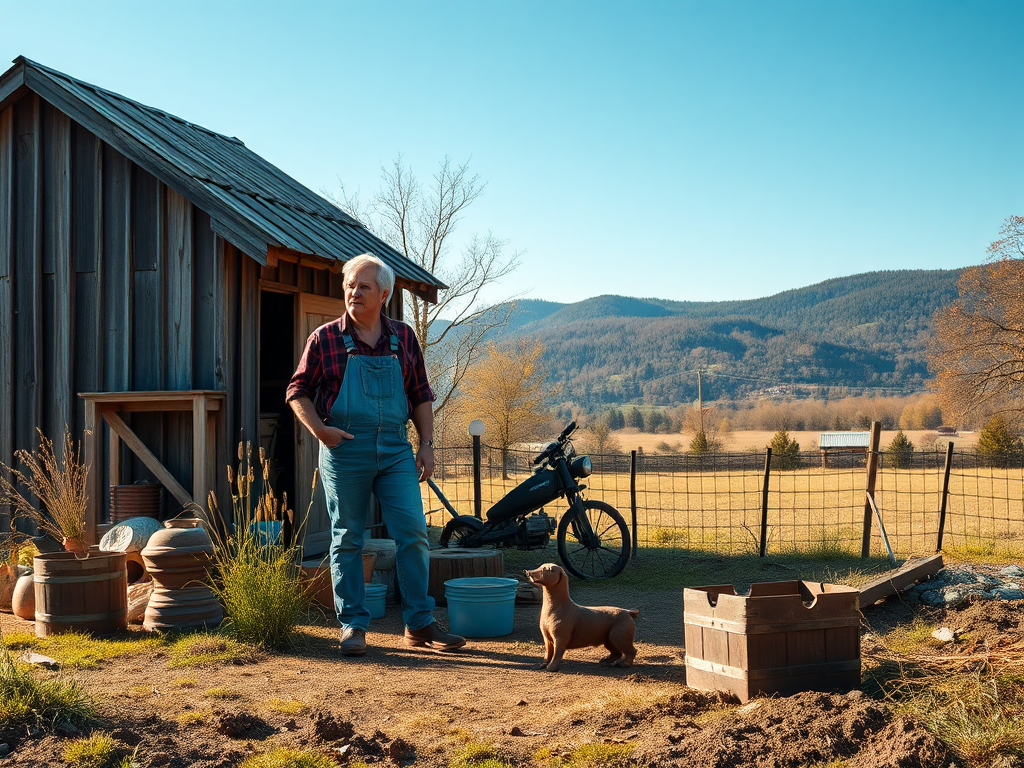
Homesteading can be a rewarding lifestyle choice for those who prioritize self-sufficiency and sustainability. It involves significant commitment, including land management, food production, and resource conservation. To determine if it's right for you, assess your available resources, time, and willingness to learn new skills. Consider your long-term goals and whether you are prepared for the challenges of a more self-reliant lifestyle.
Understanding Homesteading
Homesteading is a lifestyle that emphasizes self-sufficiency, sustainability, and a close connection to the land. It often includes activities such as growing your own food, raising livestock, and utilizing renewable resources. Understanding these core principles is essential for anyone considering this lifestyle. Homesteading is not merely about farming; it also encompasses a mindset of independence and responsibility for one’s environment.
Why does this matter? In a world increasingly reliant on industrial agriculture and convenience, homesteading offers an alternative that can lead to healthier living and a reduced carbon footprint. It promotes a deeper understanding of where food comes from and encourages sustainable practices that can benefit both individuals and communities.
Assessing Your Readiness
Before diving into homesteading, it’s crucial to assess your personal readiness for this lifestyle change. Key factors to consider include your financial situation, available land, and the time you can dedicate to homesteading activities. Each of these elements plays a significant role in determining whether homesteading is feasible for you.
For instance, do you have access to land that allows for gardening or livestock? Can you manage the costs associated with setting up a homestead, such as purchasing seeds, tools, or animals? Additionally, consider your time commitments. Homesteading requires ongoing effort, especially during planting and harvest seasons. Make a list of your available resources and constraints to help clarify your readiness.
Common Misconceptions
Many people have misconceptions about homesteading that can lead to unrealistic expectations. One common myth is that homesteading is only for those with vast amounts of land or resources. In reality, homesteading can be adapted to various scales, from urban gardening to rural farms. Another misconception is that homesteading is a solitary endeavor; however, many homesteaders find community support and resources invaluable.
Understanding these misconceptions can help you approach homesteading with a realistic mindset. It’s important to recognize that while homesteading can be fulfilling, it also comes with challenges that require problem-solving and adaptability. Prepare for a learning curve, and don’t hesitate to seek help from local homesteading groups or online communities.
Practical Steps to Start Homesteading
If you’ve decided that homesteading is right for you, the next step is to take practical measures to begin your journey. Start small by experimenting with container gardening or raising a few chickens if space allows. These initial steps can provide valuable insights into the time and effort required for larger projects.
Additionally, invest time in learning essential skills such as gardening, food preservation, and animal husbandry. Resources such as local workshops, books, and online courses can greatly enhance your knowledge base. As you become more comfortable with these skills, gradually expand your homesteading efforts, always keeping in mind your initial assessment of resources and readiness.
Lastly, maintain flexibility in your plans. Homesteading is a dynamic process that may require adjustments based on your experiences and changing circumstances. Celebrate small victories and learn from setbacks to cultivate a rewarding homesteading experience.

Frequently Asked Questions
What is the primary goal of homesteading?
The primary goal of homesteading is to achieve self-sufficiency while promoting sustainable living practices.
Do I need a lot of land to start homesteading?
No, homesteading can be adapted to various scales, including urban settings with small gardens or container plants.
What skills are essential for successful homesteading?
Essential skills include gardening, food preservation, and basic animal husbandry, along with problem-solving abilities.
Can homesteading be done on a budget?
Yes, many homesteading practices can be initiated on a budget by starting small and utilizing available resources.
Is community support important in homesteading?
Yes, connecting with local homesteading communities can provide valuable resources, support, and shared knowledge.
Conclusion
Homesteading can be a fulfilling lifestyle choice for those ready to embrace self-sufficiency and sustainable practices. By assessing your readiness, understanding the realities of homesteading, and taking practical steps to start, you can determine if this lifestyle aligns with your goals. Remember to remain flexible and open to learning as you embark on your homesteading journey.